
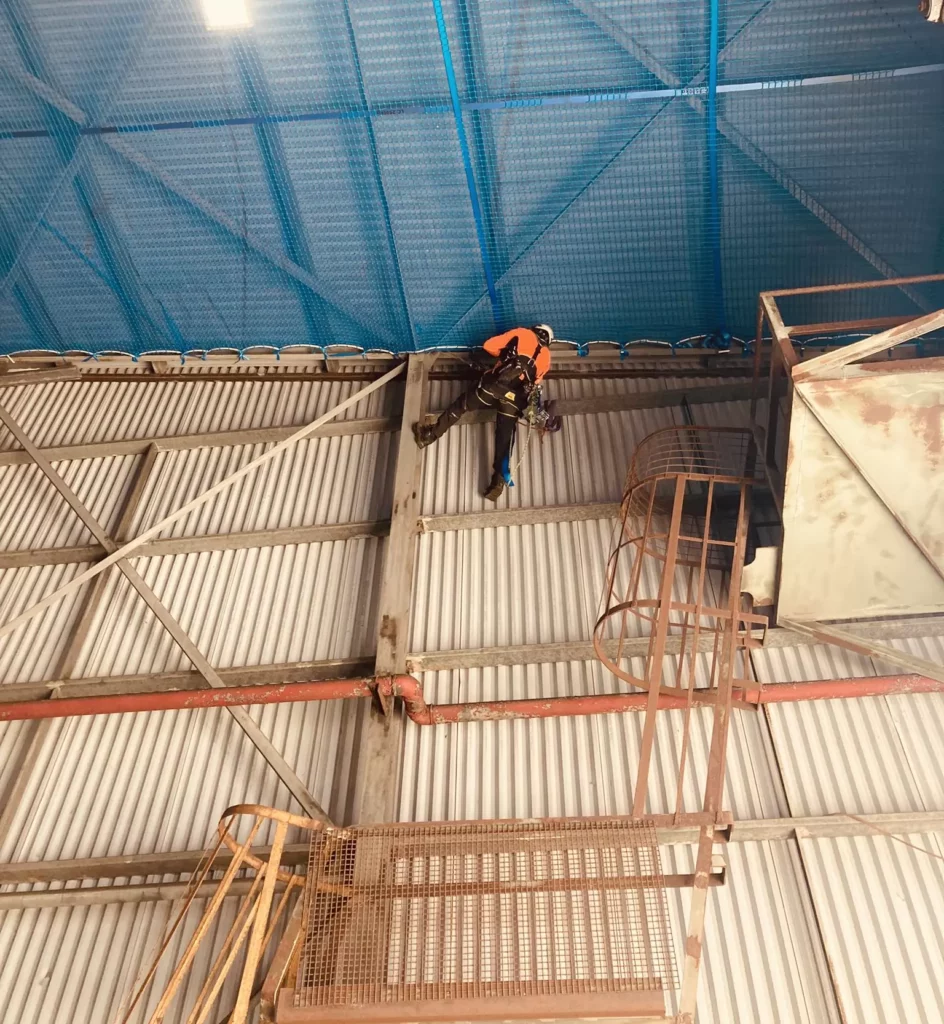
A Complete Guide to Site Mesh Regulations and Installation Standards in Australia
Site mesh plays a crucial role in ensuring safety on construction sites across Australia. With a significant number of workplace fatalities resulting from falls and falling objects, understanding the regulations and installation standards for site mesh is essential for both employers and workers. This guide delves into the various aspects of site mesh regulations, installation standards, and best practices to enhance safety on construction sites.
Understanding Site Mesh and Its Importance
Site mesh, often referred to as safety mesh, is a protective barrier designed to prevent falls from heights and to contain falling objects. Its installation is not just a regulatory requirement; it is a vital component of workplace safety. The statistics are alarming: in a recent report by Safe Work Australia, 18 deaths were attributed to falls from heights and 17 to falling objects in just one year. The total cost of such workplace injuries amounts to approximately $60 billion annually.
Given these figures, the importance of proper site mesh installation cannot be overstated. When installed correctly, safety mesh can significantly reduce the risk of injuries and fatalities, providing peace of mind for workers and employers alike. However, improper installation methods can compromise the integrity of the mesh, leading to disastrous consequences.
Types of Site Mesh
There are several types of site mesh available, each designed for specific applications. Common types include:
- Safety Mesh: Typically used on scaffolding to prevent falls and protect workers below.
- Containment Mesh: Designed to contain debris and tools, preventing them from falling onto lower levels.
- Temporary Fencing Mesh: Used to secure construction sites and prevent unauthorised access.
Each type of mesh has its own set of regulations and installation standards, which must be adhered to for optimal safety and compliance.
Regulatory Framework for Site Mesh in Australia
The regulatory landscape for site mesh installation in Australia is governed by several key documents and standards. Safe Work Australia provides a National Code of Practice for the Prevention of Falls in General Construction, which outlines the requirements for safety mesh installation. According to this code, safety mesh must be installed by competent persons who are trained in the specific methods required to ensure secure connections to structures and adequate overlap between mesh sections.
Additionally, the Australian Standard AS 4687:2022 specifies that temporary fencing should incorporate anti-climb mesh with aperture sizes not exceeding 75 mm. This standard ensures that the fencing can withstand specified impact and wind-overturning tests, thereby enhancing site security and safety.
Key Regulations to Consider
When installing site mesh, it is essential to consider the following regulations:
- AS/NZS 1657 (1992): Provides guidelines for grid mesh installation but lacks specific standards for barricading.
- AS1576.7: Sets the standards for scaffold containment, which must be adhered to when using safety mesh.
- National Code of Practice: Requires that safety mesh installation be performed by competent individuals, ensuring that safety measures are properly implemented.
Understanding these regulations is crucial for compliance and for ensuring the safety of all personnel on site.
Best Practices for Safety Mesh Installation
Proper installation of safety mesh is critical to its effectiveness. Steve Rocco from the Plumbing Trades Employees Union of Australia highlights that improper installation methods, such as using metal flashing 'tek' screws, can compromise the integrity of safety mesh. Here are some best practices to follow:
1. Competent Installation
Ensure that only trained and competent personnel are responsible for the installation of safety mesh. This includes understanding the specific methods required for secure connections and overlaps. Regular training sessions can help keep the team updated on best practices and regulatory changes.
2. Secure Connections
Connections between the safety mesh and the supporting structure must be secure. Use appropriate fasteners and ensure that they are installed according to the manufacturer's specifications. Regular inspections should be conducted to check for any signs of wear or damage.
3. Overlap Requirements
Safety mesh sections must overlap adequately to prevent gaps that could lead to falls. The overlap should be at least 300 mm, but this may vary depending on specific site requirements and regulations. Always refer to the manufacturer's guidelines for the best practices regarding overlaps.
Recent Developments in Site Mesh Technology
Innovation in site mesh technology continues to evolve, with new products being introduced to enhance safety. For instance, Sitemax has recently launched Spidermesh, a reusable, flame-retardant structural containment mesh that exceeds Australian Standard AS1576.7. This advancement reflects a significant step forward in scaffold containment safety, offering improved protection for workers and reducing the risk of accidents.
These developments not only improve safety but also contribute to more sustainable practices within the construction industry. Using reusable materials like Spidermesh can reduce waste and lower costs in the long run.
Benefits of Advanced Mesh Solutions
Advanced mesh solutions offer several benefits, including:
- Enhanced Safety: New materials and designs provide better protection against falls and falling objects.
- Cost-Effectiveness: Reusable options reduce the need for frequent replacements, saving money over time.
- Compliance with Standards: Innovative products often exceed existing safety standards, ensuring that sites remain compliant with regulations.
Challenges in Site Mesh Compliance
Despite the clear benefits of site mesh, compliance can be challenging. A 2012 report by Ibis Business Solutions and People Knowledge Consulting highlighted the lack of specific industry standards for barricading, indicating a need for standardised practices. This gap can lead to confusion and inconsistency in safety measures across different sites.
Moreover, the rapid pace of technological advancements means that regulations may lag behind. Keeping up with the latest developments in safety mesh technology and ensuring compliance with evolving standards can be a daunting task for construction managers.
Addressing Compliance Challenges
To address these challenges, construction companies should:
- Regular Training: Conduct regular training sessions to ensure that all personnel are aware of the latest regulations and best practices.
- Consult Experts: Engage with safety consultants or industry experts to stay informed about compliance requirements and technological advancements.
- Implement Standard Operating Procedures: Develop and enforce standard operating procedures for site mesh installation and maintenance to ensure consistency across all projects.
Conclusion
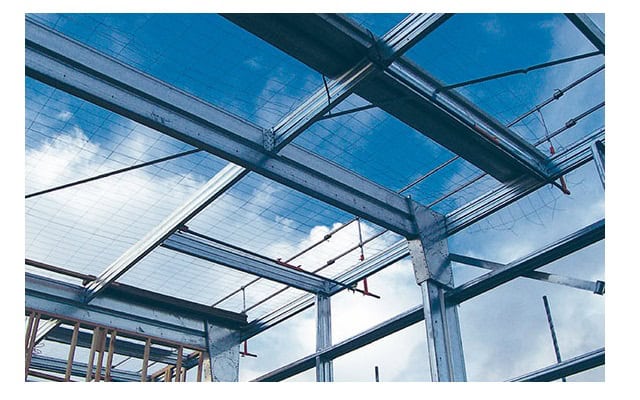
Site mesh is an essential component of workplace safety in the construction industry. Understanding the regulations and installation standards is crucial for ensuring the safety of workers and compliance with legal requirements. By following best practices, embracing new technologies, and addressing compliance challenges, construction companies can significantly reduce the risk of falls and injuries on site. Investing in safety mesh is not just a regulatory obligation; it is a commitment to protecting the lives of those who work in the industry.
Click here: Choosing Between Scaffold Shade Cloth and Scaffold Netting for Weather Protection
{
"@context": "https://schema.org",
"@type": "BlogPosting",
"mainEntityOfPage": {
"@type": "WebPage",
"@id": "https://hotrealtyinc.com/a-complete-guide-to-site-mesh-regulations-and-installation-standards-in-australia/"
},
"headline": "A Complete Guide to Site Mesh Regulations and Installation Standards in Australia",
"image": [
"https://hotrealtyinc.com/wp-content/uploads/2025/11/Safety-Mesh-installed-during-construction-of-Commercial-Building.jpg",
"https://hotrealtyinc.com/wp-content/uploads/2025/11/IMG_8952sm_1100x.webp",
"https://hotrealtyinc.com/wp-content/uploads/2025/11/1-net-install.webp"
],
"author": {
"@type": "Person",
"name": "Patrick Lackey",
"url": "https://hotrealtyinc.com/author/admin/"
},
"publisher": {
"@type": "Organization",
"name": "Hot Realty Australia",
"logo": {
"@type": "ImageObject",
"url": "https://hotrealtyinc.com/wp-content/uploads/2022/12/HAMZA-YT-2-Edited.png"
}
},
"datePublished": ""
}