Patrick Lackey

Scaffold Netting

Scaffold Netting: How It Protects Workers and Pedestrians

Used properly, it supports compliance, improves site control, and lowers the chance of incidents that can halt a project.

What is scaffold netting, and what does it do?

Scaffold netting is a mesh barrier fixed to the outside of scaffolding. It is designed to contain light debris and improve site safety by reducing the chance of objects leaving the scaffold.

It also helps manage dust, signals a restricted area, and can reduce wind effects on sheeting systems when correctly specified. Netting is not a substitute for guardrails, toe boards, brick guards, or proper housekeeping, but it adds an important extra layer of protection.

How does scaffold netting protect workers on the scaffold?

It protects workers mainly by reducing edge-related risks and improving control of loose materials. When small items shift, the netting can help prevent them from being blown or knocked off the platform.

It can also make the scaffold feel more enclosed, which may reduce distractions from height exposure. On busy sites, it creates a clearer working zone, helping teams keep tools, fixings, and packaging managed within the scaffold footprint.

https://www.youtube.com/watch?v=wlVKGB3FB24&pp=ygU5U2NhZmZvbGQgTmV0dGluZzogSG93IEl0IFByb3RlY3RzIFdvcmtlcnMgYW5kIFBlZGVzdHJpYW5z0gcJCdMKAYcqIYzv

How does scaffold netting protect pedestrians and nearby property?

It helps protect pedestrians by limiting the escape of minor debris from the scaffold, particularly during tasks like grinding, drilling, cutting, or removing old materials. This reduces the chance of low-level items falling into public areas.

Netting also makes the work boundary obvious to passers-by, which can discourage people from walking too close. For adjacent buildings, vehicles, and shopfronts, it can reduce dust transfer and minor impact damage from wind-blown debris.

What hazards can scaffold netting actually reduce?

It can reduce, but not eliminate, the risk from light falling objects, airborne debris, and dust. It can also support safer site organisation by making it easier to keep the work area defined.

However, heavy objects can still fall, and netting will not reliably stop them. Sites still need toe boards, brick guards where required, debris chutes for waste, exclusion zones, and good lifting practices to manage higher-consequence hazards.

Which types of scaffold netting are commonly used in the UK?

Common options include debris netting (open mesh), fire-retardant netting, and higher-density containment mesh. The right type depends on what they are doing, where the scaffold is situated, and the level of public exposure.

For street-facing scaffolds, they often specify stronger fixing patterns, overlap rules, and flame-retardant materials where needed. Some projects use combined systems such as netting plus monoflex-style mesh or shrink-wrap, but wind loading must be assessed.

How is scaffold netting installed so it stays effective?

It needs to be fixed tightly, consistently, and in line with the scaffold design and manufacturer guidance. Poorly installed netting can flap, tear, or create gaps that defeat the point of using it.

They typically secure it with scaffold ties or rated clips at set intervals, ensuring overlaps are adequate and corners are reinforced. Openings for loading bays, ladders, or gates must be managed carefully so protection is not lost in the areas where risk is highest.

How does netting affect wind loading and scaffold stability?

It can increase wind loading significantly, especially if tighter mesh is used or sheeting is added. This can affect the scaffold’s tie pattern, bracing, and overall design requirements.

That is why netting should be treated as part of the scaffold system, not an afterthought. If wind loading is underestimated, it can lead to movement, dislodged fittings, or structural failure in extreme cases. A competent scaffold designer or contractor should assess changes, particularly on exposed sites. Check out more about safe scaffolding.

What maintenance and inspections are needed during the job?

Netting should be checked regularly for tears, loose fixings, gaps, or UV damage. It also needs inspection after high winds, alterations, impact incidents, or significant changes to the workface.

Damaged sections should be repaired or replaced quickly, because small failures can spread. Keeping the netting intact also supports cleaner sites by containing packaging and small debris, which reduces housekeeping issues on lifts and around the base of the scaffold.

What are the limitations and common mistakes to avoid?

Netting is not a catch-all fall protection system and should not be relied on to stop heavy objects. Treating it like a substitute for toe boards, brick guards, or exclusion zones is a common error.

Another mistake is leaving gaps around corners, lift joins, or loading areas. Over-tensioning can also cause tearing, while under-tensioning increases flapping and failure risk. If wind is not accounted for, hazards can be unintentionally created rather than reduced.

Scaffold Netting

How should clients choose the right scaffold netting setup for a site?

They should start by assessing who is at risk and what could realistically fall, spread, or escape the scaffold. Public footpaths, schools, busy entrances, and roads usually justify higher containment and tighter control measures.

The best approach is to specify netting as part of a wider scaffold and site safety plan, including signage, lighting, hoarding where needed, debris management, and competent inspection. When netting choice matches the job and is installed correctly, it becomes a practical, visible safeguard for workers and pedestrians alike.

More to Read : Why Plywood Formwork Is Essential for Concrete Projects

FAQs (Frequently Asked Questions)

What is scaffold netting and how does it enhance construction site safety?

Scaffold netting is a mesh barrier attached to the outside of scaffolding designed to contain light debris, reduce falling-object risks, manage dust, and clearly delineate worksite boundaries. It supports compliance and improves site control, thereby lowering the chance of incidents that could halt a project.

Scaffold netting reduces edge-related risks by preventing small items from being blown or knocked off the platform. It creates a more enclosed working environment, reducing distractions related to height exposure and helping teams keep tools and materials within the scaffold footprint for safer operations.

In what ways does scaffold netting safeguard pedestrians and nearby property during construction?

Scaffold netting limits the escape of minor debris during activities like grinding or drilling, reducing the risk of falling objects in public areas. It also signals restricted zones to passers-by, discouraging close proximity to the worksite, while reducing dust transfer and minor impact damage to adjacent buildings, vehicles, and shopfronts.

What types of scaffold netting are commonly used in the UK and how are they selected?

Common UK options include debris netting (open mesh), fire-retardant netting, and higher-density containment mesh. Selection depends on the nature of work, scaffold location, level of public exposure, and safety requirements. For street-facing scaffolds, stronger fixing patterns and flame-retardant materials are often specified to enhance protection.

How should scaffold netting be installed to maintain its effectiveness and ensure scaffold stability?

Scaffold netting must be fixed tightly and consistently using scaffold ties or rated clips at regular intervals, with adequate overlaps and reinforced corners. Openings for ladders or loading bays require careful management. Installation must consider wind loading impacts on scaffold stability; thus, it should be treated as part of the overall scaffold system with professional assessment.

What maintenance practices are essential for scaffold netting during a construction project?

Regular inspections should check for tears, loose fixings, gaps, or UV damage—especially after high winds or alterations. Damaged sections must be promptly repaired or replaced to prevent spreading failures. Maintaining intact netting supports cleaner sites by containing debris and reduces housekeeping issues around lifts and the scaffold base.


{ "@context": "https://schema.org", "@type": "BlogPosting", "mainEntityOfPage": { "@type": "WebPage", "@id": "https://hotrealtyinc.com/scaffold-netting-protects-workers-pedestrians/" }, "headline": "Scaffold Netting: How It Protects Workers and Pedestrians", "image": [ "https://hotrealtyinc.com/wp-content/uploads/2026/04/KV-Scaffolding-Containment-Mesh-1024x615.webp", "https://hotrealtyinc.com/wp-content/uploads/2026/04/AAEAAQAAAAAAAAyrAAAAJDkwNmQ3OTdiLTNmZTItNDViYi1iNTg0LTY0NzQ4NzcwYzljMQ.jpg" ], "author": { "@type": "Person", "name": "Patrick Lackey", "url": "https://hotrealtyinc.com/author/admin/" }, "publisher": { "@type": "Organization", "name": "", "logo": { "@type": "ImageObject", "url": "https://hotrealtyinc.com/wp-content/uploads/2022/12/HAMZA-YT-2-Edited.png" } }, "datePublished": "" }

plywood formwork

Why Plywood Formwork Is Essential for Concrete Projects

What is plywood formwork, and what does it actually do?

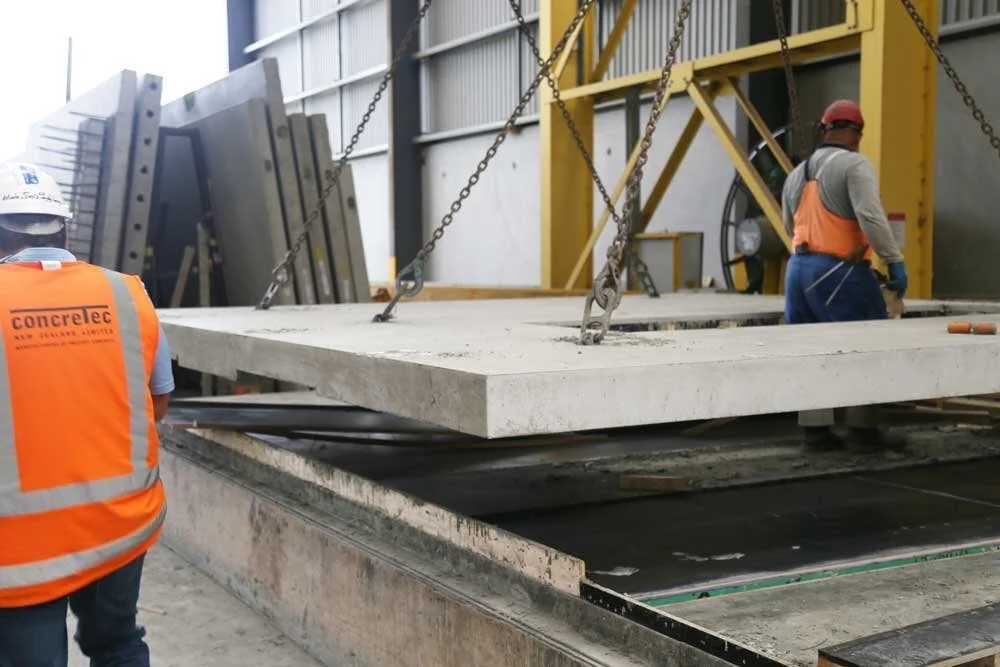
Plywood formwork is a temporary mould used to hold wet concrete in place until it cures. It creates the final shape of slabs, walls, columns, beams, and foundations.

Because plywood comes in consistent sheet sizes, crews can plan layouts, cut panels efficiently, and build repeatable formwork systems. That reliability matters when concrete placement windows are tight.

Why is plywood formwork preferred over many other formwork materials?

They prefer plywood because it balances strength, weight, and cost better than many alternatives. It is usually faster to assemble than bespoke timber shuttering and easier to handle than heavier systems.

Plywood also adapts to different geometries with simple cuts and bracing. For many small to mid-sized pours, it offers enough performance without the hire costs or logistics of fully proprietary systems.

https://www.youtube.com/shorts/kvVs2KOOfrs

How does plywood formwork improve structural accuracy on site?

It improves accuracy by providing flat, stable faces that can be aligned, levelled, and braced precisely. When panels are properly supported, they resist bulging and keep concrete edges straight.

That control reduces common issues like bowed walls, uneven slab edges, and misaligned openings. Fewer corrections also means less grinding, patching, and rework after striking the formwork.

How does it affect the concrete finish and visual quality?

Plywood can produce a smooth, even surface when the face is clean, sealed, and correctly jointed. This is especially useful where concrete will be left exposed or only lightly finished.

With the right release agent and careful handling, it helps limit surface defects such as honeycombing, panel marks, and excessive laitance. A better finish often reduces the need for additional plastering or remedial coatings.

Why is plywood formwork efficient for programme and labour?

It speeds up forming because sheets are quick to measure, cut, and fix into position. Crews can standardise panel sizes, reuse templates, and assemble common elements repeatedly.

That efficiency reduces labour hours per pour and helps keep sequencing predictable. When formwork cycles are consistent, follow-on trades can be scheduled with more confidence.

How does plywood formwork support cost control and waste reduction?

It supports cost control through reuse, standard sizing, and lower material waste. Many plywood formwork panels can be reused across multiple pours if they are stored well and edges are protected.

Cut-offs can often be repurposed for smaller shutters, packers, or bracing components. Compared with one-off timber builds, plywood typically generates less waste and fewer “trial-and-error” rebuilds.

What makes plywood formwork safer and easier to handle?

Plywood sheets are relatively lightweight for their strength, so teams can position panels without excessive lifting equipment in many situations. That can reduce manual handling strain when planning and supervision are sound.

It also allows straightforward fixing, bracing, and inspection because the build-up is familiar to most site carpenters. Clearer formwork builds make it easier to spot weak points before a pour. Check out more about scaffold netting and how it protects workers and pedestrians.

Where is plywood formwork most useful in real concrete projects?

They commonly use it for slabs, strip foundations, ground beams, retaining walls, columns, stairs, and lift cores. It suits both simple pours and more detailed shapes, especially where custom sizes are required.

It is also useful for repetitive elements, such as housing plots or multi-bay industrial floors, where panel sizes can be standardised. In these cases, reuse quickly improves the cost per pour.

What should teams consider when choosing plywood for formwork?

They should consider thickness, face quality, moisture resistance, and edge sealing. Higher-grade, film-faced plywood generally lasts longer and releases more cleanly, especially in wet conditions.

They should also plan for proper bracing, tight joints, and compatible release agents. Plywood formwork performs well, but only when the full system, including studs, walers, ties, and supports, is designed for the expected concrete pressure.

plywood formwork

Why is plywood formwork still “essential” despite modern alternatives?

It remains essential because it is versatile enough for most site realities: changing dimensions, short lead times, and mixed complexity. Many modern systems still rely on plywood-facing panels because concrete responds best to stable, flat shutter surfaces.

For projects that need dependable results without excessive cost or complexity, plywood formwork is often the simplest route to accurate concrete, consistent finishes, and efficient pours.

See Also : Non-compliant plywood sold for formwork use - NT WorkSafe

FAQs (Frequently Asked Questions)

What is plywood formwork and how does it function in concrete construction?

Plywood formwork is a temporary mould made from consistent sheet sizes of plywood, used to hold wet concrete in place until it cures. It shapes slabs, walls, columns, beams, and foundations by providing a reliable and repeatable system that facilitates faster pours and accurate dimensions.

Why is plywood formwork preferred over other materials for concrete moulding?

Plywood formwork is favoured because it offers an optimal balance of strength, weight, and cost. It is quicker to assemble than bespoke timber shuttering, easier to handle than heavier systems, adaptable to various geometries with simple cuts and bracing, and suitable for small to mid-sized pours without the logistical challenges of proprietary systems.

How does plywood formwork enhance structural accuracy on-site?

By providing flat, stable faces that can be precisely aligned, levelled, and braced, plywood formwork resists bulging and maintains straight concrete edges. This control reduces defects like bowed walls or uneven slab edges, minimising the need for post-pour corrections such as grinding or patching.

In what ways does plywood formwork influence the finish and visual quality of concrete?

When clean, sealed, and correctly jointed, plywood produces smooth and even surfaces ideal for exposed or lightly finished concrete. Using appropriate release agents and careful handling limits surface defects such as honeycombing or panel marks, reducing the necessity for additional plastering or remedial coatings.

How does using plywood formwork improve efficiency in labour and project scheduling?

Plywood sheets are quick to measure, cut, and fix into position. Standardised panel sizes allow crews to reuse templates and assemble common elements repeatedly. This efficiency decreases labour hours per pour and ensures predictable sequencing so follow-on trades can be scheduled with confidence.

What considerations should teams keep in mind when selecting plywood for formwork applications?

Teams should evaluate factors such as thickness, face quality, moisture resistance, and edge sealing. High-grade film-faced plywood offers greater durability and cleaner release in wet conditions. Additionally, proper bracing, tight joints, compatible release agents, and a full support system designed for expected concrete pressure are essential for optimal performance.


{ "@context": "https://schema.org", "@type": "BlogPosting", "mainEntityOfPage": { "@type": "WebPage", "@id": "https://hotrealtyinc.com/plywood-formwork-essential-concrete-projects/" }, "headline": "Why Plywood Formwork Is Essential for Concrete Projects", "image": [ "https://hotrealtyinc.com/wp-content/uploads/2026/04/Formply1.webp", "https://hotrealtyinc.com/wp-content/uploads/2026/04/nbVergakzQVOJSd9rlQnSerzP8yfNgUdy4kXYEuYfThuKV0SB-tmpk6pdebs.jpeg" ], "author": { "@type": "Person", "name": "Patrick Lackey", "url": "https://hotrealtyinc.com/author/admin/" }, "publisher": { "@type": "Organization", "name": "", "logo": { "@type": "ImageObject", "url": "https://hotrealtyinc.com/wp-content/uploads/2022/12/HAMZA-YT-2-Edited.png" } }, "datePublished": "" }

Property Investment

2026 Australian Property Investment Forecast: Perth & Brisbane Lead

The Australian property market in 2026 is defined by a historic "Great Divergence." While the traditional engines of Sydney and Melbourne have entered a period of price stagnation, the mid-sized capitals—Perth, Brisbane, and Adelaide—are surging with double-digit gains.

For investors, the 2026 landscape requires a shift in strategy. The days of "rising tides lifting all boats" are over; success now depends on identifying the structural drivers—such as the 2032 Olympic infrastructure in Brisbane and the chronic supply shortages in Perth—that are insulating these markets from national interest rate pressures. This guide breaks down the 2026 Australian property investment forecast to help you target high-yield, high-growth "hotspots.


The 2026 Property Market Divergence: A Core Definition

The "Great Divergence" refers to the decoupling of house price growth between Australia’s tier-one and tier-two cities. In 2026, we are seeing a multi-speed market where:

  • Sydney and Melbourne: Median house prices have "hit a ceiling" due to extreme affordability constraints and increased listing volumes.
  • Perth, Brisbane, and Adelaide: These cities continue to break records, driven by lower entry points, interstate migration, and major infrastructure spending.

This shift isn't just a trend; it's a structural rebalancing of the Australian population and capital.

Why Perth, Brisbane, and Adelaide are Outperforming Sydney

The outperformance of the smaller capitals is fueled by three primary catalysts: Affordability Relativity, Supply Asymmetry, and Infrastructure Injection.

1. The Affordability Ceiling

With Sydney’s median house price hovering near $1.6 million, the "serviceability gap" has become a literal wall. In contrast, Perth and Adelaide—even after recent surges—still offer median entries significantly below Sydney. This allows investors to achieve higher rental yields while maintaining lower mortgage-to-income ratios.

2. The Listing Asymmetry

According to recent 2026 market data, listings in Sydney and Melbourne have risen by nearly 10% above five-year averages. Meanwhile, Perth listings remain 40–50% below average. This "inventory drought" ensures that any quality stock that hits the market in the smaller capitals is met with intense competition, driving prices upward regardless of broader economic sentiment.

3. The "Olympic Legacy" & Infrastructure

Brisbane is currently in the "Construction Phase" of its 2032 Olympic journey. Massive projects like the Cross River Rail and Brisbane Metro (opening in 2026) are physically reshaping the city, turning once-overlooked suburbs into high-connectivity hubs.

Property Investment


2026 Hotspot Analysis: Where the ROI is Hiding

City 2026 Forecast Growth Primary Driver Target Segment
Perth 10% - 15% Record Low Inventory Units & Townhouses
Brisbane 6% - 9% Olympic Infrastructure Middle-Ring Houses
Adelaide 5% - 8% Relative Affordability Established Family Homes
Sydney 0% - 2% Serviceability Limits High-End Luxury / Pockets

Brisbane: The Olympic Tailwind

The "Brisbane Advantage" is no longer a secret, but the 2026 opportunity lies in the South East Queensland (SEQ) ripple effect.

  • The Hub: Suburbs near the Woolloongabba and Roma Street precincts are seeing accelerated unit demand.
  • The Value Play: Look to the Western Corridor (Ipswich) and Northern Growth Corridors (Moreton Bay), where infrastructure is making a 45-minute commute vastly more efficient.

Perth: The Supply Squeeze

Perth is the "sprint" market of 2026. With the median house price finally crossing the $1 million mark in early 2026, the focus has shifted to units and villas.

  • Rental Yields: Perth continues to lead the nation in gross rental yields (averaging 4%–5%), making it the go-to for cash-flow-heavy portfolios.

Adelaide: The Stability Anchor

Adelaide remains Australia’s most resilient market. It hasn't seen the "boom-and-bust" volatility of the East Coast. Investors are targeting the north and south-fringe suburbs where price points under $750,000 are still attainable for the growing cohort of first-home buyers.


Step-by-Step: Evaluating a 2026 Investment Opportunity

To navigate this diverged market, use this 5-step framework:

  1. Verify Listing Velocity: Use local data to check "Days on Market." In Perth and Brisbane, anything under 20 days indicates a high-growth "pressure cooker" environment.
  2. Infrastructure Overlay: Cross-reference your target suburb with the 2026 Transport Master Plans (e.g., Perth Metronet or Brisbane Metro extensions).
  3. The "Sydney Premium" Test: Compare the median price of the target suburb against a comparable Sydney suburb. If the gap is narrowing too fast (e.g., Gold Coast vs. Sydney), the "easy money" may have already been made.
  4. Information Gain Check: Seek data beyond the headline median. Look at low-quartile growth—in 2026, the affordable end of the market is consistently outperforming luxury stock.
  5. Vacancy Rate Audit: Target areas with vacancy rates below 1.5%. In 2026, rental tightness is the ultimate floor for property values.

Common Mistakes to Avoid in the 2026 Market

  • Chasing the "Olympic Hype" blindly: Not all Brisbane suburbs will benefit from 2032. Avoid areas with high-density oversupply that lack direct transit links to venues.
  • Underestimating Holding Costs: Even in growth markets, higher-for-longer interest rates mean your rental yield must do the heavy lifting. Don't rely solely on capital growth.
  • Ignoring the "Unit Shift": In 2026, units in Perth and Brisbane are often outperforming houses in percentage growth because they represent the only remaining "affordable" entry point.


Internal & External References

  • Internal Link Suggestion: Guide to Brisbane 2032 Olympic Infrastructure Hotspots
  • Internal Link Suggestion: High-Yield Rental Strategies for Western Australian Investors
  • External Reference: CoreLogic Australia Home Value Index (March 2026 Update)
  • External Reference: Australian Bureau of Statistics (ABS) Residential Property Price Data


Frequently Asked Questions (FAQ)

1. Is the Brisbane property market still a good investment in 2026?

Yes, but selectivity is key. With the 2032 Olympics and major rail projects like Cross River Rail completing, suburbs with direct transport connectivity are still poised for solid growth despite higher entry prices.

2. Why is Perth outperforming Sydney in 2026?

Perth is experiencing a severe supply shortage, with listings roughly 50% below historical averages. Combined with strong interstate migration and lower entry prices, this creates a "seller's market" that Sydney—now constrained by an affordability ceiling—cannot match.

3. What are the best suburbs for rental yields in 2026?

Perth and Adelaide currently offer the strongest yields. Look for "middle-ring" suburbs and regional hubs like Bunbury (WA) or Mount Barker (SA), where rental demand is high but house prices remain relatively accessible.

4. How do interest rates affect the 2026 property forecast?

While rates have plateaued, the "higher-for-longer" environment has shifted demand toward more affordable cities and the unit/townhouse segment. This has caused the stagnation seen in the $2M+ markets of Sydney and Melbourne.

5. Should I buy a house or a unit in Brisbane in 2026?

In 2026, the unit market is seeing significant "Information Gain" as buyers are priced out of detached housing. Units in well-located, low-supply areas are currently matching or exceeding house price growth in terms of percentage gains.


Conclusion: The Path to ROI in 2026

The 2026 Australian property market is no longer a single entity; it is a collection of micro-markets moving at different speeds. To secure long-term rankings and ROI, investors must pivot away from the "Sydney-centric" model and embrace the topical authority of the smaller capitals.

By focusing on the supply-starved corridors of Perth, the infrastructure-rich pockets of Brisbane, and the stability of Adelaide, you can navigate the 2026 divergence with confidence.


{ "@context": "https://schema.org", "@type": "BlogPosting", "mainEntityOfPage": { "@type": "WebPage", "@id": "https://hotrealtyinc.com/auto-draft/" }, "headline": "2026 Australian Property Investment Forecast: Perth & Brisbane Lead", "image": [ "https://hotrealtyinc.com/wp-content/uploads/2026/01/6625f50af86a0497c8ef4553_2018907288_1_1_231116_034958-w1137-h760.jpg", "https://hotrealtyinc.com/wp-content/uploads/2026/01/4981819-01.jpg" ], "author": { "@type": "Person", "name": "Patrick Lackey", "url": "https://hotrealtyinc.com/author/admin/" }, "publisher": { "@type": "Organization", "name": "Hot Realty Australia", "logo": { "@type": "ImageObject", "url": "https://hotrealtyinc.com/wp-content/uploads/2022/12/HAMZA-YT-2-Edited.png" } }, "datePublished": "2026-03-16", "dateModified": "2026-03-16" }

Property Investment

How Your Balmain Buyers Advocate Gets You the Best Price

How a Buyers Advocate Helps You Get the Best Price in Balmain's Competitive Property Market

A Balmain buyers advocate is your exclusive representative, working only to protect your financial interests in one of Sydney's most prestigious property markets. Located just 6km from the CBD, Balmain has median house prices around $2.4 million and unit prices near $1.45 million, making every dollar you negotiate critical.

Why You Need Professional Help

Securing the best price buyers advocate Balmain property purchases requires more than enthusiasm—it needs professional expertise. The suburb's harbour-side Victorian homes, art deco apartments, and contemporary residences attract fierce competition from wealthy buyers. Without expert guidance, you risk overpaying by tens or hundreds of thousands of dollars.

Challenges in the Balmain Real Estate Market

The Balmain real estate market has unique challenges that favour sellers and their agents:

  • Limited supply meets consistently high demand
  • Pressure-cooker auction environments where emotions override logic

These scenarios often lead to emotion-led purchasing, a common pitfall in property buying that can result in overspending.

Buyers advocates counter this imbalance through:

  1. Objective property valuations
  2. Strategic negotiation
  3. Access to opportunities invisible to the general public

https://www.youtube.com/watch?v=nb81jMSbJlw&pp=ygUXQmFsbWFpbiBCdXllcnMgQWR2b2NhdGU%3D

What Your Buyers Advocate Does for You

Your advocate's role goes beyond simple representation. They:

  • Conduct comprehensive due diligence
  • Identify properties trading below true market value
  • Leverage established networks to access off-market listings before competition intensifies

This multi-layered approach changes the buying process from a stressful gamble into a strategic acquisition.

How Much Can You Save?

The financial impact can be significant. By:

  • Preventing emotional overspending
  • Uncovering hidden property defects before purchase
  • Negotiating from positions of knowledge rather than desperation

A skilled advocate usually saves clients much more than their fee—often securing properties $50,000 to $200,000 below what uninformed buyers would pay.

What Makes Balmain's Property Market Unique and Highly Competitive?

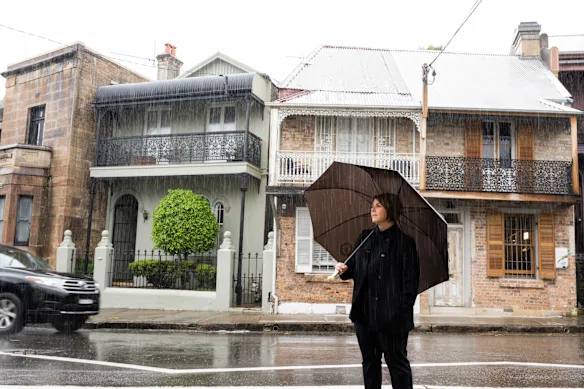
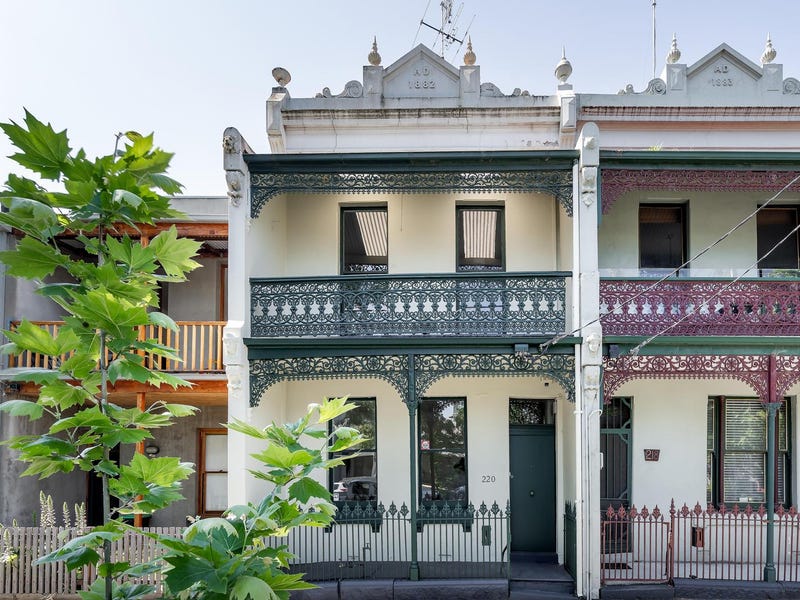
Balmain's property market stands out due to its unique blend of heritage architecture, harbour-side location, and village atmosphere just 6km from Sydney's CBD. The suburb's Victorian homes Balmain is famous for, alongside its art deco apartments and contemporary conversions, create an irreplaceable character that buyers simply cannot find elsewhere in the inner west.

The Architectural Heritage That Commands Premium Prices

The suburb's streetscapes showcase meticulously preserved Victorian terraces, Federation-style homes, and workers' cottages dating back to the 1800s. These properties feature:

  • Original sandstone facades and ornate ironwork
  • High ceilings with decorative cornices and ceiling roses
  • Timber floorboards and fireplaces
  • Deep setbacks with established gardens

Many buyers specifically target Balmain for these architectural features, creating intense competition for well-maintained period homes. The emotional appeal of owning a piece of Sydney's history drives bidding wars that push Balmain property prices beyond comparable suburbs.

How Do Balmain's Prices Compare to Surrounding Areas?

Balmain property prices significantly exceed neighbouring suburbs. The median house price sits at approximately $2.4 million, while units average $1.45 million. Compare this to:

  • Rozelle: median house price around $2.0 million
  • Lilyfield: median house price approximately $1.8 million
  • Birchgrove: median house price about $2.6 million

The premium reflects Balmain's superior harbour access, established village atmosphere, and proximity to the CBD. Properties with water views or direct harbour frontage command prices well above $4 million, placing them among Sydney's most expensive real estate.

What Drives the Intense Competition in Balmain's Market?

Balmain real estate competition stems from a fundamental supply-demand imbalance. The peninsula's geography creates natural boundaries that limit new development opportunities. The suburb's 1.1 square kilometre area is essentially fully developed, with heritage protections preventing significant alterations to existing streetscapes.

Demand comes from multiple buyer segments competing for the

How a Buyers Advocate Represents Your Interests Effectively in Balmain

A buyers advocate in Balmain works exclusively for you, not the seller or selling agent. Unlike real estate agents who represent vendors and earn commission from sales, a buyers advocate's sole focus is protecting your financial interests and securing the best possible outcome for your purchase.

This exclusive buyer representation Balmain property seekers need becomes particularly valuable when navigating properties priced at $2.4 million or more. Your advocate has no conflicting loyalties or hidden agendas that might compromise the advice they provide.

Objective Property Value Assessment

The buyers advocate role centres on determining what a property is genuinely worth, not what the market hype suggests. Your advocate analyses recent comparable sales, assesses property condition, evaluates location-specific factors, and considers future development impacts.

They bring property negotiation expertise developed through hundreds of transactions. This experience allows them to spot overpriced listings immediately and identify properties offering genuine value. When a Victorian terrace in Balmain lists for $2.6 million but comparable sales suggest $2.35 million is fair market value, your advocate presents the evidence to support a lower offer.

Protection from Emotional Decision-Making

Property purchases in Balmain's harbour-side setting can trigger emotional responses that cloud judgment. The charm of a sandstone cottage with water glimpses, the appeal of a renovated art deco apartment, or the pressure of competing bidders can push buyers beyond their budget.

Your advocate acts as a rational counterbalance to these emotions. They remind you of your original criteria, budget limits, and investment objectives when excitement threatens to override logic. This protection proves invaluable during:

  • Open home inspections where staging and presentation create emotional attachment
  • Auction environments designed to generate competitive tension and urgency
  • Private negotiations where selling agents employ scarcity tactics

Shielding You from Sales Tactics

Selling agents in Balmain's premium market are skilled negotiators trained in persuasion techniques. They might suggest multiple interested parties exist, create artificial urgency, or downplay property defects.

Your buyers advocate recognises these tactics immediately. They've seen every strategy and know how to respond effectively. When an agent claims "three other buyers" are interested in a property, your advocate remains calm and doesn't succumb to pressure tactics.

By understanding these techniques and having an experienced negotiator on your side, you gain an advantage in the buying process. Your advocate ensures that you make informed decisions based on facts rather than succumbing to manipulative tactics employed by selling agents.

Maximising Negotiation Outcomes

Negotiation is an integral part of any property transaction. With their extensive experience working with both buyers and sellers, buyers advocates possess valuable insights into negotiation strategies that can lead to better outcomes for their clients.

Your advocate employs various techniques such as:

  • Building rapport with the selling agent to create a positive negotiating atmosphere
  • Highlighting unique selling points of your offer that may appeal to the seller
  • Presenting evidence-based arguments using comparable sales data to support your position

These strategies aim not only at securing a fair price but also at creating win-win situations where both parties feel satisfied with the outcome.

Strategic Bidding at Auctions

If you're considering purchasing a property through auction, having a buyers advocate by your side becomes even more crucial. Auctions can be intense and unpredictable events where emotions run high and competition is fierce.

Your advocate brings expertise in auction bidding strategies developed through years of experience attending numerous auctions across Balmain:

  • Setting clear bidding limits beforehand based on thorough market research
  • Observing other bidders' behaviour during pre-auction inspections or open homes
  • Timing bids strategically to catch competitors off guard or disrupt their momentum

These tactics aim not only at winning the auction but also at ensuring that you don't overpay for the property due to impulsive decisions made under pressure.

Accessing Off-Market Opportunities

In addition to traditional listings available on public platforms like realestate.com.au or domain.com.au , buyers advocates often have access to off-market opportunities—properties being sold privately without advertising them widely.

This gives you an edge over other buyers who may be unaware of such opportunities or unable to compete effectively against savvy investors actively seeking these deals.

By leveraging their network connections built over years working within the industry—such as relationships with local agents developers builders—buyers advocates can uncover hidden gems that align perfectly with your investment goals while avoiding bidding wars typically associated with popular properties.

Why Is Access to Off-Market Properties a Significant Advantage When Working with a Buyers Advocate?

Off-market properties in Balmain represent homes sold privately without public advertising, offering a strategic edge in this competitive suburb. In Balmain's tight market where quality properties attract multiple bidders within hours of listing, accessing properties before they reach public portals can mean the difference between securing your dream home and missing out entirely.

The Hidden Property Market in Balmain

The private sales advantage becomes particularly valuable when you consider that approximately 20-30% of Balmain's premium properties never appear on realestate.com.au or Domain. Sellers choose this route to:

  • Test the market quietly without committing to full marketing campaigns
  • Avoid the scrutiny of neighbours and the broader public
  • Sell quickly to pre-qualified buyers without the stress of open homes
  • Maintain privacy when dealing with high-value assets
  • Reduce marketing costs that can exceed $15,000 for premium campaigns

These exclusive property listings often include the suburb's most desirable Victorian terraces, waterfront apartments, and architect-designed homes that owners prefer to sell discreetly.

How Buyers Advocates Unlock These Hidden Opportunities

Your Balmain buyers advocate maintains active relationships with selling agents, property developers, and other industry professionals who contact them first when off-market opportunities arise. These networks develop over years of consistent deal-making and professional trust.

When a selling agent has a property owner considering a sale, they often reach out to trusted buyers advocates before investing in marketing. This gives you first-mover advantage – viewing and making offers before the property faces competitive pressure from dozens of other buyers.

Balmain Buyers Advocate

The advocate's reputation matters here. Agents know that properties presented to established buyers advocates will reach serious, pre-qualified buyers who can move quickly on decisions. Click here to get about: is a niche inner west buyers agency better than a general one?

Reduced Competition Translates to Better Pricing

Competing against three or four other interested parties differs dramatically from battling twenty buyers at a Saturday auction. Off-market properties typically involve:

  • Direct negotiations between two parties rather than public bidding wars
  • Realistic pricing discussions based on comparable sales data
  • Time to conduct thorough due diligence without rushed decisions
  • Flexibility in contract terms and settlement periods
  • Lower emotional pressure that often inflates auction prices

Moreover, these off-market transactions often allow for sold comparable information, providing invaluable insights into the property's true market value and ensuring more informed purchasing decisions.

How Do Buyers Advocates Conduct Thorough Due Diligence to Save You Money in the Long Run?

Property due diligence Balmain involves a systematic investigation of every aspect of a property before purchase, and your buyers advocate orchestrates this entire process to protect your financial interests. They coordinate multiple professional inspections and assessments, compiling comprehensive reports that reveal the true condition of the property beyond what's visible during casual viewings.

The Inspection and Assessment Process

Your advocate arranges a coordinated schedule of specialist inspections tailored to each property's characteristics:

  • Building and pest inspections to detect structural issues, termite damage, or timber decay common in Balmain's heritage homes
  • Strata reports for units and townhouses, revealing financial health of the owners corporation and upcoming levies
  • Drainage and plumbing assessments particularly crucial for older Victorian-era properties
  • Electrical safety checks to identify outdated wiring systems requiring expensive upgrades
  • Heritage consultant reviews when purchasing listed properties with renovation restrictions

These professionals provide detailed reports that your advocate interprets, translating technical jargon into clear implications for your purchase decision and budget planning.

Uncovering Hidden Costs That Impact Your Bottom Line

Risk mitigation real estate strategies employed by buyers advocates frequently uncover issues that sellers may not disclose or genuinely don't know exist. In Balmain's older housing stock, professional inspections commonly reveal:

Structural concerns such as foundation movement, cracked load-bearing walls, or sagging roof timbers that could require $50,000 to $150,000 in remediation work. Your advocate uses these findings to renegotiate the purchase price or request repairs before settlement.

Concealed water damage behind renovated surfaces, particularly in bathrooms and kitchens of period homes, often indicates ongoing moisture problems requiring extensive rectification. Identifying these issues prevents you from inheriting expensive problems that surface months after purchase.

Non-compliant renovations are surprisingly common in Balmain properties where owners have modified heritage features without council approval. Your advocate ensures you're aware of potential council enforcement actions or costs to bring work up to code.

Leveraging Due Diligence Findings in Negotiations

Armed with

What Negotiation Strategies Do Buyers Advocates Use to Secure Better Deals for Their Clients?

Negotiation strategies buyers advocate professionals use in Balmain combine market knowledge with careful timing to secure properties below asking prices. These licensed experts use specific techniques based on whether a property is going to auction, already passed in, or available through private treaty.

Pre-Auction Negotiation Tactics

Pre-auction negotiation Balmain specialists understand that many sellers prefer certainty over the risk of auction day. Your buyers advocate approaches vendors before the scheduled auction with compelling offers that eliminate marketing uncertainty and guarantee settlement. This strategy works particularly well when:

  • The property has received limited inspection interest during the campaign
  • Vendors face time pressures or need to relocate quickly
  • Market conditions show decreasing buyer demand
  • The property has unique features that limit its potential buyers

Your advocate presents offers with minimal conditions and quick settlement terms, making them attractive alternatives to continuing with expensive auction campaigns. They frame proposals to highlight the financial and emotional costs sellers avoid by accepting a pre-auction deal.

Strategic Auction Day Positioning

During live auctions, your buyers advocate controls bidding psychology rather than getting caught up in competitive emotion. They establish clear price ceilings based on thorough property valuations completed during due diligence. Their approach includes:

  • Entering bidding at strategic moments rather than opening with the first bid
  • Using confident, decisive bid increments that signal serious intent
  • Reading competing bidders' body language and financial limits
  • Knowing precisely when to stop based on predetermined maximum values

This disciplined approach prevents the common mistake of overpaying in auction heat, where inexperienced buyers often exceed their budgets by $50,000 to $100,000.

Post-Auction Offer Strategies

Post-auction offers become powerful negotiation tools when properties pass in without meeting reserve prices. Your buyers advocate recognizes that vendors who've invested thousands in marketing campaigns often feel pressure to convert that expense into a sale. The hours and days following a failed auction create unique opportunities.

Your advocate crafts post-auction proposals that acknowledge the vendor's position while protecting your interests. They typically offer amounts slightly below the highest auction bid, justified by the property's failure to meet market expectations. These offers include:

How Do Buyers Advocates Simplify the Complex Buying Process for Clients in Balmain?

Buying a property in Balmain can be a complicated process with many tasks to manage at once. This includes reviewing contracts, inspecting the building, and coordinating the settlement. A buyers advocate is someone who helps you navigate this process by being your main point of contact. They make sure that everything is taken care of so that nothing gets overlooked.

Legal coordination through buyers advocate services is important because it helps you avoid expensive mistakes that could end up costing you more money. Your advocate communicates directly with conveyancers and solicitors to go over contracts before you agree to them. This way, they can spot any clauses that might lead to unexpected costs or unfavorable conditions.

The financial benefits of having proper legal coordination go beyond just avoiding penalties. When your advocate finds problematic terms in the contract early on—such as unclear boundary definitions or seller warranties—they negotiate changes before you sign anything. This proactive approach has saved buyers in Balmain thousands of dollars in potential legal disputes and costs after the settlement.

How Does Timeline Management Protect Your Investment?

Your buyers advocate creates a detailed schedule starting from when you first inspect a property all the way until the settlement day. They keep track of every important event and deadline during this time. This includes coordinating building and pest inspections within the cooling-off period, reviewing strata reports for units, and doing final walk-throughs before the settlement happens.

This organized method ensures that you complete all necessary checks without feeling rushed into making decisions that could result in paying too much for a property with hidden problems.

Financial advice coordination happens smoothly when your advocate works together with your mortgage broker or financial advisor. They share information about the property, settlement dates, and any changes to the purchase terms so that your finance approval matches perfectly with what’s required in the contract. This teamwork prevents situations where buyers lose their deposits or have to deal with higher interest rates because of mismatched timelines.

What Communication Systems Keep You Informed Without Overwhelming You?

You will receive regular updates on how things are progressing through your preferred method of communication—whether it’s via email, phone calls, or messaging apps. However, these updates will not include unnecessary details that may overwhelm you.

Your advocate acts as a filter for information and only presents what needs your attention or decision-making.

What Local Market Insights Do Buyers Advocates Leverage To Benefit Their Clients When Buying In Balmain?

Buyers advocates use their local market knowledge Balmain to identify pricing variations across the suburb's distinct pockets, from the waterfront peninsula to the elevated streets near Mort Bay. They track which streets command premium prices and which areas offer better value, enabling clients to make informed decisions based on actual market performance rather than marketing hype.

Understanding Micro-Market Variations Within Balmain

Different sections of Balmain perform differently in the market. The peninsula area near Darling Street typically commands higher prices due to proximity to cafes and harbour views, while properties further inland may offer better value. Advocates analyze recent sales data across these micro-markets to pinpoint where clients can secure properties below their true potential value.

Streets with heritage significance or architectural consistency often attract premium buyers, yet some properties within these streets may be undervalued due to presentation issues or vendor circumstances. A skilled advocate recognizes these opportunities through their continuous monitoring of local transactions.

Identifying Properties With Strong Capital Gains Potential

Property value assessment Balmain requires understanding which property types and locations are experiencing upward momentum. Advocates track renovation trends, infrastructure developments, and demographic shifts that signal emerging value. Properties near recently upgraded parks, improved ferry services, or new retail precincts often appreciate faster than the broader market average.

They also recognize which architectural styles are gaining favour with buyers. Victorian terraces with original features consistently perform well, while well-executed contemporary renovations in art deco buildings are attracting younger professionals willing to pay premiums.

Leveraging Historical Sales Data for Strategic Positioning

Advocates maintain detailed records of comparable sales, including properties that sold off-market or under unique circumstances. This historical perspective reveals seasonal patterns, typical days-on-market, and price adjustments that inform strategic buying decisions. When a property appears overpriced relative to recent comparables, they can present evidence-based arguments during negotiations.

They understand which agents consistently overprice listings and which vendors are motivated to sell quickly. This intelligence shapes offer strategies and timing decisions that maximize client outcomes.

Reading Vendor Motivation and Market Sentiment

Experienced advocates detect subtle signals about vendor circumstances through their agent networks and market observation. Properties listed for extended periods without price reductions may indicate vendor reluctance or unrealistic expectations. Conversely, multiple offers on a property suggest strong demand and potential competition.

By combining these insights with their understanding of local dynamics, advocates can tailor their approach to each negotiation and increase the likelihood of securing favorable terms for their clients.

How Engaging A Buyers Advocate Can Save You Time And Money While Reducing Stress Levels Throughout The Home Buying Journey In Balmain?

Does hiring a buyers advocate actually deliver measurable time savings?

A Balmain buyers advocate transforms what typically takes months of weekend inspections into a targeted search process. They pre-screen properties against your criteria, attending inspections on your behalf and presenting only genuinely suitable options. Where most buyers spend 8-12 weeks attending open homes across Balmain, Birchgrove, and surrounding areas, advocates condense this to 3-4 weeks by filtering out properties with deal-breaking issues before you ever step inside.

The time-saving property purchase extends beyond just inspections. Your advocate coordinates building inspections, strata reports, and pest assessments simultaneously rather than sequentially. They liaise with solicitors, mortgage brokers, and surveyors, eliminating the back-and-forth phone calls and email chains that consume hours of your working week.

What specific cost savings can you expect from a buyers advocate?

The cost savings buyers advocate services deliver typically exceed their fees through strategic negotiation alone. In Balmain's $2.4 million median house price market, securing even a 2-3% better price represents $48,000-$72,000 in savings. Advocates achieve this by:

  • Identifying properties priced above fair market value before you make emotional commitments
  • Negotiating vendor contributions toward building defects discovered during inspections
  • Advising against properties requiring extensive renovations that would exceed budget
  • Accessing off-market sales where vendor expectations remain more realistic

They prevent costly mistakes that first-time Balmain buyers frequently make, such as overpaying for properties in flood-prone pockets or purchasing homes with significant structural issues masked by cosmetic renovations.

How does professional representation reduce emotional stress during property purchases?

The stress reduction home buying benefit becomes apparent when competitive bidding situations arise. Your advocate maintains objectivity when auction fever strikes, preventing you from exceeding your budget by $100,000 or more in the heat of the moment. They attend auctions as your registered bidder, removing the psychological pressure sellers' agents deliberately create.

The emotional toll of repeated auction losses or

Why Should You Consider Working With A Professional Buyer's Agent To Secure The Best Possible Price In Balmain?

The decision to engage a buyers advocate is a smart investment strategy that pays dividends throughout your property journey. In Balmain's competitive market where properties often sell within days and prices reach well above $2 million, having expert representation isn't a luxury—it's a strategic necessity that directly impacts your financial outcome.

What Makes Professional Representation Essential in Balmain's Market?

The benefits of buyers advocate services become immediately apparent when you consider the stakes involved. A single percentage point saved on a $2.4 million property equals $24,000—often more than the cost of professional representation. Your Balmain buyers advocate gets you the best price by eliminating emotional decision-making and replacing it with data-driven analysis.

These professionals spend their careers studying market patterns, building industry relationships, and honing negotiation skills. They understand which streets command premium prices, which properties represent genuine value, and when sellers are motivated to accept lower offers.

How Does Expert Guidance Protect Your Investment?

Property purchases represent one of life's most significant financial commitments. Without specialized knowledge, buyers risk overpaying by tens or even hundreds of thousands of dollars. A buyers advocate identifies red flags during inspections, uncovers comparable sales data that agents won't volunteer, and structures offers that protect your interests.

They also prevent costly mistakes that first-time and experienced buyers alike commonly make—rushing into purchases during open homes, missing crucial contract clauses, or failing to account for renovation costs that dramatically affect true property value.

When Does Professional Representation Deliver Maximum Value?

The answer is simple: always. Whether you're purchasing your first home, upgrading to accommodate a growing family, or adding to an investment portfolio, professional advocacy levels the playing field. Sellers have agents working exclusively for them—shouldn't you have the same advantage?

Time-poor professionals particularly benefit from this service. Rather than spending weekends at open homes and evenings researching properties, you receive curated options that match your exact criteria. Your advocate handles viewings, coordinates inspections, and manages communications with selling agents.

Balmain Buyers Advocate

What Results Can You Realistically Expect?

Buyers advocates consistently secure properties below asking price or prevent clients from overpaying in competitive situations. While every transaction is unique and outcomes depend on various factors such as market conditions and property appeal, it's not uncommon for advocates to save clients significant amounts—sometimes exceeding their fees—in negotiations.

When engaging a buyer's agent in Balmain or any other area, it's important to set realistic expectations based on thorough research and discussions with potential advocates. Look for testimonials or case studies showcasing their track record but remember that past performance doesn't guarantee future results.

In summary:

  • Expertise: Buyers advocates possess in-depth knowledge of the local market gained through years of experience.
  • Negotiation Skills: These professionals are skilled negotiators who can secure better deals than most individual buyers.
  • Time-Saving: By hiring an advocate, you free up valuable time that can be spent on other priorities while still actively pursuing your property goals.
  • Peace of Mind: Knowing there's someone dedicatedly working towards getting you the best outcome provides peace of mind throughout the buying process.

Ultimately, engaging a buyer's agent should be seen as an investment rather than an expense—a means to maximize returns on one of life's largest financial decisions: purchasing real estate.


{ "@context": "https://schema.org", "@type": "BlogPosting", "mainEntityOfPage": { "@type": "WebPage", "@id": "https://hotrealtyinc.com/how-your-balmain-buyers-advocate-gets-you-the-best-price/" }, "headline": "How Your Balmain Buyers Advocate Gets You the Best Price", "image": [ "https://hotrealtyinc.com/wp-content/uploads/2026/01/main-10.jpg", "https://hotrealtyinc.com/wp-content/uploads/2026/01/4981819-01.jpg", "https://hotrealtyinc.com/wp-content/uploads/2026/01/6625f50af86a0497c8ef4553_2018907288_1_1_231116_034958-w1137-h760.jpg" ], "author": { "@type": "Person", "name": "Patrick Lackey", "url": "https://hotrealtyinc.com/author/admin/" }, "publisher": { "@type": "Organization", "name": "Hot Realty Australia", "logo": { "@type": "ImageObject", "url": "https://hotrealtyinc.com/wp-content/uploads/2022/12/HAMZA-YT-2-Edited.png" } }, "datePublished": "" }

Inner West Buyers Agency

Is a Niche Inner West Buyers Agency Better Than a General One?

What is a Buyers Agency and Why Does It Matter in Property Buying?

A buyers agency is a professional service that represents property purchasers exclusively, working to find and secure properties that match their clients' requirements. Unlike traditional real estate agents who represent sellers, buyers agents advocate solely for the buyer's interests throughout the property acquisition process.

The property market Sydney offers two distinct types of buyers agencies: niche agencies that specialize in specific geographic areas like the Inner West, and general buyers agencies that operate across broader regions without concentrated focus. A niche Inner West buyers agency focuses exclusively on understanding one localized market in depth, while a general buyers agency spreads its attention across multiple suburbs or even different cities.

Selecting between a niche Inner West buyers agency and a general one directly impacts your purchasing outcomes. The right agency choice determines the quality of market insights you receive, the properties you'll have access to, and your negotiating power. An agency's depth of knowledge influences everything from identifying undervalued properties to understanding which streets command premium prices and why.

The distinction becomes particularly significant in competitive markets where properties sell quickly, often before public advertising. Buyers working with an agency that lacks specialized local knowledge may miss opportunities, overpay for properties, or make uninformed decisions about location quality. The expertise gap between specialized and generalist approaches can translate to tens of thousands of dollars in purchase price differences and long-term investment performance.

https://www.youtube.com/watch?v=8Q5bKer4TCs&pp=ygUYSW5uZXIgV2VzdCBCdXllcnMgQWdlbmN5

What Sets Apart a Niche Inner West Buyers Agency from a General One?

A niche buyers agency operates exclusively within the Inner West Sydney property market, dedicating all resources to understanding this specific geographic area. These specialists focus their entire business model on suburbs like Marrickville, Newtown, Leichhardt, Balmain, and surrounding areas, building expertise that comes only from concentrated market immersion.

General buyers agencies cast a wider net across Sydney or even multiple cities, offering services that span various regions without deep specialization in any single area. Their business model prioritizes geographic breadth over localized depth, serving clients across diverse markets from the Northern Beaches to the Eastern Suburbs to Western Sydney.

Geographic Focus and Market Intelligence

The Inner West Sydney property market presents unique characteristics that demand specialized knowledge. A niche agency's agents spend every working day analyzing sales data, attending inspections, and networking within this contained market. They track which streets command premium prices, understand the nuances between Marrickville's eastern and western sides, and recognize how proximity to specific schools or cafes affects property values.

General agencies divide their attention across multiple markets, requiring agents to maintain surface-level knowledge of numerous areas rather than intimate familiarity with one. An agent working across ten suburbs cannot match the depth of insight held by someone who exclusively studies three.

Resource Allocation and Team Structure

Niche agencies structure their entire operation around Inner West expertise:

  • Dedicated research teams monitoring local development applications and infrastructure projects
  • Specialized databases tracking historical sales in specific streets and building types
  • Focused marketing that attracts sellers and buyers specifically interested in the Inner West
  • Team members who often live in the area themselves, experiencing market changes firsthand

General agencies distribute resources across broader territories, meaning less concentrated investment in any single market's intelligence gathering and relationship building.

Market Cycle Understanding

Property cycles vary significantly between Sydney regions. The Inner West experiences distinct patterns influenced by its demographics, cultural appeal, and urban renewal projects. A niche agency recognizes these localized cycles, understanding when specific suburbs are entering growth phases or cooling periods based on factors unique to the area.

General agencies apply broader Sydney-wide trends to their analysis, potentially missing the micro-market movements that create opportunities or risks within the Inner West specifically.

How Does Local Knowledge Benefit Buyers in the Inner West?

Local knowledge transforms property searches from guesswork into strategic decisions. A niche Inner West buyers agency understands the distinct character of each suburb—from Marrickville's evolving warehouse conversions to Balmain's heritage streetscapes—allowing them to match buyers with locations that genuinely suit their lifestyle and investment goals.

Understanding Suburb-Specific Market Dynamics

Each Inner West suburb operates as its own micro-market with unique pricing patterns and buyer demographics. Leichhardt attracts young families seeking Italian cafes and Norton Street's village atmosphere, while Newtown draws creative professionals valuing its bohemian culture and proximity to universities. Agents specializing in these Inner West suburbs recognize these nuances immediately.

A niche agency knows that Annandale properties typically sell faster due to limited stock and high demand from downsizers, while Stanmore offers better value for first-home buyers willing to renovate. They understand which streets command premium prices and why—whether it's proximity to Callan Park, walkability to light rail stations, or catchment zones for sought-after schools.

Accurate Property Valuations Through Market Expertise

Property values in the Inner West fluctuate based on hyper-local factors that general agencies often miss. A niche buyers agency tracks recent comparable sales within specific pockets, not just suburb-wide averages. They know that a Haberfield home on the "right" side of Parramatta Road can be worth $200,000 more than an identical property three streets away.

This granular understanding of market trends prevents buyers from overpaying. When a property lists in Dulwich Hill, a specialized agent immediately recognizes whether the asking price reflects genuine market value or vendor optimism. They've watched seasonal patterns—how autumn brings more stock but also more competition, or how winter creates opportunities for negotiation.

Real-Time Market Intelligence

Niche agencies maintain constant pulse on current market trends through daily engagement with Inner West transactions. They notice when buyer demand shifts from Petersham to Stanmore, or when investors start targeting Sydenham for its development potential. This real-time intelligence shapes buying strategies.

Their expertise extends to understanding:

  • Auction clearance rates
  • Days on market
  • Vendor discounting

By analyzing these metrics, niche agencies can forecast future price movements and advise their clients accordingly.

Tailored Buying Strategies Based on Local Insights

Armed with local knowledge and market expertise, a niche buyers agency crafts tailored buying strategies for each client. They consider factors such as:

  1. Lifestyle preferences
  2. Investment objectives
  3. Budget constraints

For instance, if a young couple is looking to purchase their first home in the Inner West, the agency may recommend exploring suburbs like Marrickville or Newtown where they can find character homes within their budget. On the other hand, if an investor is seeking capital growth opportunities, the agency might suggest targeting areas like Sydenham or Stanmore which are undergoing gentrification.

These personalized strategies increase the likelihood of finding properties that align with clients' goals and ultimately lead to successful transactions.

Understanding the broader dynamics of land markets can also provide valuable insights for potential buyers in the Inner West. Such knowledge helps in making informed decisions about property investments.

What Exclusive Access Do Niche Agencies Have Compared to General Ones?

Niche Inner West buyers agencies unlock off-market properties and private listings that rarely appear on public portals. These properties circulate through trusted networks of local agents who contact specialized buyers agencies first, often days or weeks before considering broader marketing.

The Inner West property market operates heavily on relationships and discretion. Many vendors prefer private treaty sales to avoid the stress and exposure of public campaigns. General agencies working across multiple regions simply cannot maintain the depth of connections needed to access these opportunities consistently.

The Power of Established Networks

Specialized buyers agencies build decade-long relationships with Inner West selling agents, property managers, and developers. These connections create a two-way trust system where agents contact niche buyers agencies when vendors want quiet, efficient sales.

Key relationship advantages include:

  • First notification when properties become available before public listing
  • Direct introductions to vendors considering selling but not yet committed
  • Priority viewing access to properties with multiple interested parties
  • Inside knowledge of vendor motivations and acceptable price ranges

Why Off-Market Properties Matter

Between 20-30% of Inner West property transactions occur off-market, particularly in sought-after suburbs like Balmain, Leichhardt, and Newtown. These properties often represent the best value because competition remains limited to buyers with exclusive access through connected agents.

General buyers agencies may hear about off-market opportunities through broader industry channels, but they lack the immediate notification and preferential treatment that comes from being the "go-to" contact for specific suburbs. When a Rozelle terrace becomes available off-market, local agents call their trusted Inner West specialists first. Click here to get about: how your balmain buyers advocate gets you the best price

Private Treaty Sales and Insider Access

Private treaty negotiations in the Inner West require understanding unwritten rules and vendor expectations specific to different pockets of the area. Niche agencies know which streets attract premium pricing, which properties have hidden issues affecting value, and which vendors will negotiate versus those with firm price expectations.

This granular intelligence transforms exclusive access from simply knowing about a property to understanding how to secure it. A general agency might learn about an off-market listing, but a niche Inner West buyers agency knows the selling agent's negotiation style, the vendor's timeline, and the optimal offer strategy.

How Do Niche Agencies Tailor Their Advice and Negotiation Strategies?

Niche Inner West buyers agencies craft tailored advice by drawing on their deep understanding of individual vendor personalities and selling patterns specific to the area. They know which sellers prioritize quick settlements over top dollar, which agents respond better to collaborative approaches versus competitive tension, and how different property types typically perform in negotiations across suburbs like Newtown, Marrickville, or Leichhardt.

This vendor-specific intelligence transforms negotiation strategies from generic tactics into precision instruments. A niche agency might recognize that a particular vendor is downsizing to move closer to family and values certainty over price, allowing them to structure an offer with favorable terms that appeals beyond pure dollar amounts. They understand the subtle cultural nuances of Inner West sellers—many of whom have emotional attachments to heritage properties or community connections—and can position buyers in ways that resonate personally.

Customized advice based on local conditions addresses the unique characteristics of Inner West property transactions:

  • Heritage considerations: Guidance on negotiating properties with conservation restrictions that affect renovation potential and resale value
  • Parking premiums: Precise valuation adjustments for off-street parking in high-density areas where this feature commands significant premiums
  • Zoning opportunities: Identifying properties with dual-occupancy potential or commercial conversion possibilities specific to Inner West planning regulations
  • Gentrification timing: Advising on emerging pockets within established suburbs where value growth patterns differ from broader market trends

Generic agencies typically apply standardized negotiation frameworks that work across multiple markets but miss these localized factors. They might undervalue a worker's cottage in Balmain with laneway access or overestimate the appeal of a modern apartment lacking the character Inner West buyers typically seek.

The depth of local knowledge allows niche agencies to read between the lines of vendor statements and agent communications. When an Inner West agent mentions a seller is "motivated," a specialized buyers agency knows whether this signals genuine urgency or standard sales rhetoric based on their history with that particular agent and suburb dynamics. This contextual understanding prevents buyers from overpaying during manufactured urgency or missing opportunities when genuine motivation exists.

Why Are Relationships Important in the Inner West Property Market?

Relationships are crucial in the Inner West property market, where many deals are made through personal connections before they become public listings. Niche buyers agencies build long-term relationships with local real estate agents, vendors, property developers, and other industry professionals who work exclusively in this area.

Trust-Based Ecosystem

These established relationships create a system based on trust that general agencies cannot replicate. When a niche agency has successfully worked with the same local real estate agents on numerous transactions, those agents prioritize them with early notifications about upcoming listings, insights into vendor motivations, and honest assessments of property conditions that wouldn't be shared with unfamiliar parties.

Competitive Advantage

Access to pre-market intelligence becomes a significant competitive advantage. Local real estate agents often reach out to their trusted niche agency partners before officially listing a property, giving represented buyers the first opportunity to inspect and make offers. This head start can make a big difference in securing a dream home in a market where desirable properties receive multiple offers within days.

Understanding Selling Patterns

The relationship dynamic extends beyond agents to vendors themselves. Niche agencies frequently encounter the same vendors, investors, and property owners across multiple transactions within Inner West suburbs. This familiarity allows them to understand selling patterns, preferred negotiation styles, and realistic price expectations specific to individual sellers.

Preferential Treatment in Bidding

Trust translates to preferential treatment during competitive bidding scenarios. When multiple offers arrive at the same time, vendors and their agents naturally favor buyers represented by agencies they know and respect. A niche agency's reputation for smooth settlements, realistic clients, and professional conduct makes their offers more appealing than identical bids from unknown representatives.

Strengthening Existing Relationships

The network effect compounds over time. Each successful transaction strengthens existing relationships while creating new connections with conveyancers, building inspectors, mortgage brokers, and other professionals who become part of the agency's referral ecosystem. These multi-layered relationships provide buyers with vetted service providers who understand Inner West property nuances.

Accumulating Reputation Capital

Reputation capital accumulated through consistent performance cannot be bought or quickly developed. General agencies entering the Inner West market lack the historical goodwill that opens doors, facilitates difficult negotiations, and secures opportunities that never reach broader awareness. This social infrastructure proves particularly valuable during market downturns when vendors become more selective about which buyers they engage with seriously.

In such situations, understanding the dynamics of trust in real estate transactions becomes paramount. Trust is not only built through successful transactions but also maintained through transparency and consistent communication which further solidifies these vital relationships in the real estate market.

When Might a General Buyers Agency Be Preferable Over a Niche One?

A general buyers agency becomes the better choice when your property search spans multiple markets across Sydney or beyond. Buyers exploring options in several regions simultaneously benefit from agencies with broad coverage rather than hyper-local expertise.

Scenarios favoring general agencies include:

  • Undecided location preferences: When you're comparing properties across different Sydney regions—perhaps weighing the Inner West against the Lower North Shore or Eastern Suburbs—a general agency provides consistent service across all areas under consideration.
  • Investment portfolio diversification: Property investors building portfolios across multiple suburbs or cities need agencies with wide geographic reach to identify opportunities in various markets simultaneously.
  • Relocation flexibility: Buyers relocating to Sydney without firm suburb preferences benefit from agencies that can showcase properties across diverse neighborhoods, helping narrow down location choices through comparative market analysis.
  • Budget-driven searches: When price constraints require casting a wider net beyond the Inner West's premium pricing, general agencies can identify comparable properties in adjacent or alternative regions that offer better value.

General agencies maintain networks across multiple markets, enabling them to pivot quickly between regions as buyer priorities shift. This flexibility proves valuable when initial target areas prove unaffordable or unsuitable, requiring rapid exploration of alternative locations.

The trade-off involves sacrificing depth of local knowledge for breadth of coverage. A general agency may understand Sydney's property market comprehensively but lacks the granular insights into specific Inner West streets, school catchments, or upcoming development projects that niche agencies possess through daily immersion in the local market.

Buyers with genuinely open location criteria—particularly first-time buyers still determining which Sydney neighborhood suits their lifestyle—gain more value from agencies offering comparative perspectives across regions rather than concentrated expertise in one area.

How Should Buyers Decide Between a Niche or General Buyers Agency?

The decision depends on aligning your buyer priorities with the agency's abilities. Begin by clarifying your property goals and location preferences—if you're set on buying in the Inner West, a specialized agency offers targeted knowledge that directly matches your requirements.

Assess Your Location Commitment

Are you certain about buying in the Inner West, or are you considering multiple Sydney areas? Buyers with a specific location preference benefit from niche agencies' focused expertise, while those looking at properties in various regions may require the wider reach general agencies provide.

Evaluate Your Timeline and Competition Level

The Inner West market moves quickly, with many sought-after properties selling off-market or through private negotiations. Buyers facing tight deadlines or competitive bidding situations gain advantages from niche agencies' established networks and immediate access to opportunities before they become public listings.

Consider Your Property Type and Budget Range

Different agencies develop expertise in specific property types. A niche Inner West agency understands which suburbs offer the best value for terrace houses versus modern apartments, and how pricing varies between heritage-listed properties and contemporary builds within the area.

Examine the Agency's Track Record

Request evidence of recent transactions in your target suburbs. A niche agency should demonstrate:

  • Recent sales data from your preferred Inner West locations
  • Client testimonials from buyers with similar property goals
  • Examples of off-market deals secured through their local connections
  • Knowledge of upcoming developments affecting property values

Match Service Level to Your Experience

First-time buyers often need more guidance on local market nuances, making a niche agency's detailed suburb knowledge valuable. Experienced investors might prioritize an agency's negotiation track record and access to exclusive opportunities over educational support.

Calculate the Value Proposition

Compare fee structures against potential benefits. A niche agency's ability to negotiate better prices through local relationships or secure off-market properties may offset higher service fees, particularly in competitive Inner West suburbs where properties attract multiple bidders.

Inner West Buyers Agency

Conclusion

Is a niche Inner West buyers agency better than a general one? The answer depends entirely on your property buying goals and where you plan to invest.

For buyers committed to the Inner West, a specialized agency delivers unmatched advantages. Their hyperlocal expertise, exclusive off-market access, and established relationships within specific suburbs create opportunities that general agencies simply cannot replicate. The niche vs general buyers agency debate becomes clear when you consider the competitive nature of Inner West property buying—specialized knowledge translates directly into better outcomes.

General agencies serve buyers well when flexibility across multiple regions matters more than depth in one area. They provide valuable services for those exploring various Sydney markets or uncertain about their target location.

Your Inner West property buying decision should reflect these key considerations:

  • Geographic commitment: Are you focused exclusively on the Inner West or considering multiple areas?
  • Market complexity: Do you need someone who understands the nuances of Marrickville versus Leichhardt versus Balmain?
  • Access requirements: How important are off-market properties and private treaty sales to your search?
  • Timeline urgency: Can you afford to miss opportunities that only local specialists hear about first?

The right buyers agency aligns with your specific circumstances, not a one-size-fits-all approach. Evaluate agencies based on their track record in your target area, their network depth, and their ability to articulate local market dynamics. Request case studies from your preferred suburbs and ask detailed questions about their recent transactions.

Your property investment deserves an advocate who brings genuine expertise to your specific market. Choose strategically, and your buyers agency becomes a powerful asset in securing the right property at the right price.


{ "@context": "https://schema.org", "@type": "BlogPosting", "mainEntityOfPage": { "@type": "WebPage", "@id": "https://hotrealtyinc.com/is-a-niche-inner-west-buyers-agency-better-than-a-general-one/" }, "headline": "Is a Niche Inner West Buyers Agency Better Than a General One?", "image": [ "https://hotrealtyinc.com/wp-content/uploads/2026/01/image-asset-3.webp", "https://hotrealtyinc.com/wp-content/uploads/2026/01/image-asset-2.webp", "https://hotrealtyinc.com/wp-content/uploads/2026/01/image-22.jpg" ], "author": { "@type": "Person", "name": "Patrick Lackey", "url": "https://hotrealtyinc.com/author/admin/" }, "publisher": { "@type": "Organization", "name": "Hot Realty Australia", "logo": { "@type": "ImageObject", "url": "https://hotrealtyinc.com/wp-content/uploads/2022/12/HAMZA-YT-2-Edited.png" } }, "datePublished": "" }

Buyer’s Agent

Buyer’s Agent vs Real Estate Agent in Australia: What’s the Difference?

If you’re buying property in Australia, one of the most confusing parts of the process is understanding who actually represents you. Many buyers assume the real estate agent showing them homes is there to help them secure the best deal. In reality, that agent is legally obligated to act in the seller’s best interests.

This is where the distinction between a buyer’s agent and a real estate agent becomes critical.

In this guide, we’ll clearly explain the difference between a buyer’s agent and a real estate agent in Australia, how each role works, and why more buyers—especially in competitive markets like Sydney, Melbourne, and Brisbane—are choosing to work with a buyers agency to protect their interests.


Understanding the Australian Property Landscape

Australia’s property market is fast-moving, competitive, and highly localised. Prices, demand, and buyer behaviour can vary dramatically between suburbs—and even streets.

For buyers, this creates challenges such as:

  • Limited supply in desirable areas
  • Auction-driven competition
  • Pressure to make quick decisions
  • Information imbalance between buyers and sellers

Understanding who is on your side can significantly impact your outcome.


What Is a Real Estate Agent in Australia?

A real estate agent (also called a selling agent or listing agent) is hired by the property owner to sell their home. Their primary responsibility is to achieve the best possible price and terms for the seller.

Key Responsibilities of a Real Estate Agent

  • Marketing the property
  • Hosting inspections and open homes
  • Managing buyer enquiries
  • Negotiating on behalf of the seller
  • Running auctions

While real estate agents must follow ethical and legal standards, their loyalty is clearly with the vendor—not the buyer.

This doesn’t make them dishonest; it simply defines their role.


What Is a Buyer’s Agent in Australia?

A buyer’s agent is a licensed professional who represents the buyer exclusively. They work independently of selling agents and act solely in the buyer’s best interests.

A buyers agency supports buyers throughout the purchasing process, from planning and research to negotiation and settlement.

Buyer’s agents assist:

  • First-home buyers
  • Investors
  • Home upgraders or downsizers
  • Interstate and overseas buyers


Buyer’s Agent vs Real Estate Agent: The Core Difference

The simplest way to understand the difference is this:

  • Real estate agent = works for the seller
  • Buyer’s agent = works for the buyer

Let’s break this down further.


Who Do They Represent?

Real Estate Agent

A real estate agent is legally bound to act in the seller’s best interests. Their goal is to maximise sale price and secure favourable terms for the vendor.

Buyer’s Agent

A buyer’s agent is legally bound to act in the buyer’s best interests. Their focus is on securing the right property at the right price, with minimal risk.

This difference alone can dramatically change the buying experience.


How They Are Paid

Real Estate Agent Fees

Selling agents are typically paid a commission by the seller, based on the final sale price. This naturally incentivises a higher price.

Buyer’s Agent Fees

Buyer’s agents are paid by the buyer, usually via a fixed fee or percentage of the purchase price. Their incentive is aligned with value, not price inflation.


Property Search and Access

Real Estate Agents

Selling agents only show properties they are contracted to sell. Their recommendations are limited to their own listings.

Buyer’s Agents

Buyer’s agents search the entire market—on-market and off-market. Many buyer’s agents have access to properties before they are publicly listed, especially in tightly held suburbs.

In cities like Sydney and Melbourne, this early access can reduce competition and stress.


Negotiation Approach

Real Estate Agents

Negotiation is conducted to achieve the seller’s goals. Buyers are often encouraged to increase offers or bid emotionally at auction.

Buyer’s Agents

Buyer’s agents negotiate strategically and objectively. They use recent sales data, local insight, and experience to avoid overpaying.

This is one of the most valuable services a buyers agent Australia-wide can provide.


Buyer’s Agent


Due Diligence and Risk Assessment

Real Estate Agents

Selling agents must disclose known issues, but they do not actively investigate risks for buyers.

Buyer’s Agents

Buyer’s agents conduct thorough due diligence, including:

  • Price analysis using comparable sales
  • Building and pest report reviews
  • Strata record assessments
  • Identification of red flags

This proactive approach helps buyers avoid costly mistakes.


Time and Stress Management

Buying Without Representation

Many buyers spend months attending inspections, researching suburbs, and missing out on properties. The process often becomes emotionally draining.

Buying With a Buyer’s Agent

A buyer’s agent streamlines the process by shortlisting suitable properties, inspecting on your behalf, and handling negotiations.

For busy professionals or families, this time-saving benefit is significant.


Practical Example: Buyer’s Agent vs Real Estate Agent

Imagine a first-home buyer in Sydney attending open homes every weekend. They rely on selling agents for advice and repeatedly overbid due to pressure.

By engaging a buyer’s agent in Sydney, the buyer receives:

  • Clear suburb recommendations based on budget
  • Access to an off-market property
  • Objective price guidance
  • Calm, professional negotiation

The outcome is a smoother purchase and greater confidence.


Common Buyer Misconceptions

“The Selling Agent Is Helping Me”

Selling agents may be friendly and helpful—but their duty is to the seller.

“Buyer’s Agents Are Only for the Wealthy”

Buyer’s agents assist many first-home buyers and mid-range purchasers, not just luxury clients.

“I Can Do Everything Myself”

Some buyers can. But many underestimate the complexity, time, and emotional pressure involved.


When Should You Consider a Buyer’s Agent?

A buyer’s agent may be worth considering if you:

  • Are a first-home buyer
  • Feel overwhelmed or time-poor
  • Are buying in a competitive market
  • Want expert negotiation support
  • Are purchasing interstate or overseas

A good buyers agency educates rather than pressures.


Are Buyer’s Agents Legal and Regulated in Australia?

Yes. Buyer’s agents must be licensed or registered under state legislation, such as:

  • NSW Fair Trading
  • Consumer Affairs Victoria
  • Office of Fair Trading Queensland

Always check credentials before engaging an agent.


How to Choose the Right Buyer’s Agent

Before hiring a buyer’s agent, ask:

  • Do you represent buyers only?
  • Are you licensed in this state?
  • How do you source properties?
  • What is included in your fee?
  • Do you receive commissions from selling agents?

Transparency is a strong indicator of professionalism.


Buyer’s Agent vs Real Estate Agent: Which One Do You Need?

You don’t choose between them—you choose who represents you.

  • The real estate agent represents the seller
  • The buyer’s agent represents you

Understanding this distinction empowers you to make better decisions and avoid costly misunderstandings.


Final Thoughts: Buying With Clarity and Confidence

Knowing the difference between a buyer’s agent and a real estate agent in Australia is one of the most important lessons for property buyers. While selling agents play a vital role in the market, their interests are not aligned with yours.

A professional buyer’s agent offers clarity, protection, and strategic guidance—especially in competitive cities like Sydney, Melbourne, and Brisbane.

If you value informed decision-making, reduced stress, and strong negotiation support, working with a buyers agency may be one of the smartest steps in your property journey.


Frequently Asked Questions (FAQs)

Do real estate agents work for buyers in Australia?

No. Real estate agents are hired by sellers and act in the seller’s best interests.

Can a buyer’s agent negotiate on my behalf?

Yes. Negotiation is one of the core services provided by buyer’s agents.

Are buyer’s agents only for investors?

No. Buyer’s agents assist first-home buyers, families, and owner-occupiers as well.

Do buyer’s agents get off-market properties?

Often, yes. While not guaranteed, buyer’s agents frequently gain early access to listings.

Can I use a buyer’s agent in Sydney, Melbourne, or Brisbane?

Yes. Many buyer’s agents operate city-specific or Australia-wide services.


{ "@context": "https://schema.org", "@type": "BlogPosting", "mainEntityOfPage": { "@type": "WebPage", "@id": "https://hotrealtyinc.com/auto-draft/" }, "headline": "Buyer’s Agent vs Real Estate Agent in Australia: What’s the Difference?", "image": [ "https://hotrealtyinc.com/wp-content/uploads/2025/09/Top-5-Benefits-of-Using-a-Buyers-Agent-When-Purchasing-Property.jpg", "https://hotrealtyinc.com/wp-content/uploads/2025/09/crop-person-writing-counting-scaled-1.webp" ], "author": { "@type": "Person", "name": "Patrick Lackey", "url": "https://hotrealtyinc.com/author/admin/" }, "publisher": { "@type": "Organization", "name": "Hot Realty Australia", "logo": { "@type": "ImageObject", "url": "https://hotrealtyinc.com/wp-content/uploads/2022/12/HAMZA-YT-2-Edited.png" } }, "datePublished": "2025-12-31", "dateModified": "2025-12-31" }

Choosing Between Scaffold Shade Cloth and Scaffold Netting for Weather Protection

Choosing Between Scaffold Shade Cloth and Scaffold Netting for Weather Protection

When it comes to construction sites, ensuring the safety and comfort of workers is paramount. One of the key elements in achieving this is the choice of scaffold coverings. Scaffold shade cloth and scaffold netting are two popular options, each offering distinct advantages and disadvantages. Understanding these differences can help you make an informed decision that best suits your project’s needs.

Understanding Scaffold Shade Cloth

Scaffold shade cloth is designed primarily to provide shade and reduce heat on construction sites. Made from woven fabric, it allows air to flow while blocking harmful UV rays. This is particularly beneficial in hot climates, where excessive sun exposure can lead to heat stress among workers.

Choosing Between Scaffold Shade Cloth and Scaffold Netting for Weather Protection

Benefits of Scaffold Shade Cloth

One of the standout features of scaffold shade cloth is its UV resistance. According to research, UV-resistant scaffold mesh can maintain its integrity for 2-3 years under continuous sun exposure, significantly reducing the frequency of replacements by 60-70% (Covert Procurement). This durability not only saves costs but also ensures that your site remains compliant with safety regulations.

Additionally, scaffold shade cloth can provide a shade rate of approximately 60%, which is crucial for protecting workers from sunburn and heat-related illnesses. This is particularly relevant for projects scheduled during the hotter months, where the risk of heat stress is elevated.

Applications of Scaffold Shade Cloth

Scaffold shade cloth is ideal for various construction projects, especially those involving outdoor work. It is commonly used in residential and commercial construction, landscaping, and even events where temporary structures are erected. The versatility of shade cloth makes it a go-to choice for many contractors looking to enhance worker comfort.

Moreover, it can also serve aesthetic purposes, as it comes in various colours and designs, allowing for a more visually appealing construction site. This can be particularly beneficial for projects in urban areas where appearance matters.

The Role of Scaffold Netting

Scaffold netting, on the other hand, is primarily designed to enhance safety on construction sites. Made from a more robust material, it is intended to catch falling debris and prevent accidents. This is crucial in reducing the risk of injuries caused by falling objects, which account for 21% of non-fatal construction injuries, as highlighted by a 2022 study by the Construction Industry Research and Information Association (CIRIA) (Blue Ocean Plastic).

Advantages of Scaffold Netting

One of the primary advantages of scaffold netting is its ability to mitigate hazards. It can reduce construction risks by up to 70%, providing a safer working environment for everyone on site (Blue Ocean Plastic). This is particularly important in high-rise construction, where the potential for falling tools and materials is significantly increased.

Scaffold netting also offers a degree of weather protection, although it is not as effective as shade cloth in blocking UV rays. With a density of approximately 215 g/m², scaffold netting provides a shade rate of around 60%, which can help protect workers from sun exposure while still allowing for adequate airflow (Scaffold Pole).

https://www.youtube.com/watch?v=Prx85BYFwbU&pp=ygVRQ2hvb3NpbmcgQmV0d2VlbiBTY2FmZm9sZCBTaGFkZSBDbG90aCBhbmQgU2NhZmZvbGQgTmV0dGluZyBmb3IgV2VhdGhlciBQcm90ZWN0aW9u

Applications of Scaffold Netting

Scaffold netting is widely used in various construction projects, particularly those involving high-rise buildings, bridges, and other structures where the risk of falling debris is heightened. It is also beneficial in renovation projects where existing structures may pose additional hazards.

In addition to construction, scaffold netting is often employed in events and festivals, providing safety and security in crowded areas. Its ability to contain debris and protect attendees makes it a popular choice for event planners.

Comparing the Two: When to Use Each

Choosing between scaffold shade cloth and scaffold netting ultimately depends on the specific needs of your project. If your primary concern is worker comfort and protection from the sun, scaffold shade cloth is the better option. Its UV resistance and ability to provide shade can significantly enhance working conditions, especially in hot climates.

Conversely, if safety is your main priority, scaffold netting should be your go-to choice. Its robust design helps prevent accidents caused by falling objects, making it essential for high-risk construction sites. In many cases, a combination of both may be the best solution, providing comprehensive protection against both weather and safety hazards.

Cost Considerations

When evaluating the costs associated with scaffold shade cloth and netting, it is essential to consider not only the initial purchase price but also the long-term benefits. While scaffold shade cloth may have a higher upfront cost, its durability and reduced replacement frequency can lead to significant savings over time. As mentioned earlier, UV-resistant scaffold mesh can last for 2-3 years, which is a considerable advantage for budget-conscious contractors.

On the other hand, scaffold netting, while generally more affordable, may require more frequent replacements, especially in harsh weather conditions. Understanding the specific environmental factors at your construction site can help you make a more informed decision regarding your budget.

Training and Safety Protocols

Regardless of which option you choose, proper training and education for employees on working safely with scaffolding is crucial. John Smith, a Safety Manager at ABC Construction, emphasises the importance of training: "Proper training and education for employees on working safely on scaffolding in winter conditions is essential to mitigate risks and ensure adherence to safety protocols" (Scaffold Type).

Implementing safety protocols and ensuring that all workers understand the risks associated with scaffold use can significantly reduce the likelihood of accidents. Regular safety meetings and refresher courses can help keep safety at the forefront of your construction operations.

Choosing Between Scaffold Shade Cloth and Scaffold Netting for Weather Protection

Conclusion

Choosing between scaffold shade cloth and scaffold netting is not a decision to be taken lightly. Both options offer unique benefits that cater to different aspects of construction safety and worker comfort. By understanding the specific needs of your project, considering cost implications, and prioritising safety training, you can create a safer and more efficient working environment.

Ultimately, the right choice will depend on the specific conditions of your construction site, the nature of the work being performed, and the overall goals of your project. Whether you opt for shade cloth, netting, or a combination of both, ensuring the safety and comfort of your workers should always be your top priority.

Click here: A Complete Guide to Site Mesh Regulations and Installation Standards in Australia


{ "@context": "https://schema.org", "@type": "BlogPosting", "mainEntityOfPage": { "@type": "WebPage", "@id": "https://hotrealtyinc.com/choosing-between-scaffold-shade-cloth-and-scaffold-netting-for-weather-protection/" }, "headline": "Choosing Between Scaffold Shade Cloth and Scaffold Netting for Weather Protection", "image": [ "https://hotrealtyinc.com/wp-content/uploads/2025/11/Content_Debris-Netting-1024x576-1.jpg", "https://hotrealtyinc.com/wp-content/uploads/2025/11/bianzu-16beifen-1024x640-1.webp", "https://hotrealtyinc.com/wp-content/uploads/2025/11/1.jpg" ], "author": { "@type": "Person", "name": "Patrick Lackey", "url": "https://hotrealtyinc.com/author/admin/" }, "publisher": { "@type": "Organization", "name": "Hot Realty Australia", "logo": { "@type": "ImageObject", "url": "https://hotrealtyinc.com/wp-content/uploads/2022/12/HAMZA-YT-2-Edited.png" } }, "datePublished": "" }

A Complete Guide to Site Mesh Regulations and Installation Standards in Australia

A Complete Guide to Site Mesh Regulations and Installation Standards in Australia

Site mesh plays a crucial role in ensuring safety on construction sites across Australia. With a significant number of workplace fatalities resulting from falls and falling objects, understanding the regulations and installation standards for site mesh is essential for both employers and workers. This guide delves into the various aspects of site mesh regulations, installation standards, and best practices to enhance safety on construction sites.

Understanding Site Mesh and Its Importance

Site mesh, often referred to as safety mesh, is a protective barrier designed to prevent falls from heights and to contain falling objects. Its installation is not just a regulatory requirement; it is a vital component of workplace safety. The statistics are alarming: in a recent report by Safe Work Australia, 18 deaths were attributed to falls from heights and 17 to falling objects in just one year. The total cost of such workplace injuries amounts to approximately $60 billion annually.

Given these figures, the importance of proper site mesh installation cannot be overstated. When installed correctly, safety mesh can significantly reduce the risk of injuries and fatalities, providing peace of mind for workers and employers alike. However, improper installation methods can compromise the integrity of the mesh, leading to disastrous consequences.

Types of Site Mesh

There are several types of site mesh available, each designed for specific applications. Common types include:

  • Safety Mesh: Typically used on scaffolding to prevent falls and protect workers below.
  • Containment Mesh: Designed to contain debris and tools, preventing them from falling onto lower levels.
  • Temporary Fencing Mesh: Used to secure construction sites and prevent unauthorised access.

Each type of mesh has its own set of regulations and installation standards, which must be adhered to for optimal safety and compliance.

A Complete Guide to Site Mesh Regulations and Installation Standards in Australia

Regulatory Framework for Site Mesh in Australia

The regulatory landscape for site mesh installation in Australia is governed by several key documents and standards. Safe Work Australia provides a National Code of Practice for the Prevention of Falls in General Construction, which outlines the requirements for safety mesh installation. According to this code, safety mesh must be installed by competent persons who are trained in the specific methods required to ensure secure connections to structures and adequate overlap between mesh sections.

Additionally, the Australian Standard AS 4687:2022 specifies that temporary fencing should incorporate anti-climb mesh with aperture sizes not exceeding 75 mm. This standard ensures that the fencing can withstand specified impact and wind-overturning tests, thereby enhancing site security and safety.

Key Regulations to Consider

When installing site mesh, it is essential to consider the following regulations:

  • AS/NZS 1657 (1992): Provides guidelines for grid mesh installation but lacks specific standards for barricading.
  • AS1576.7: Sets the standards for scaffold containment, which must be adhered to when using safety mesh.
  • National Code of Practice: Requires that safety mesh installation be performed by competent individuals, ensuring that safety measures are properly implemented.

Understanding these regulations is crucial for compliance and for ensuring the safety of all personnel on site.

Best Practices for Safety Mesh Installation

Proper installation of safety mesh is critical to its effectiveness. Steve Rocco from the Plumbing Trades Employees Union of Australia highlights that improper installation methods, such as using metal flashing 'tek' screws, can compromise the integrity of safety mesh. Here are some best practices to follow:

1. Competent Installation

Ensure that only trained and competent personnel are responsible for the installation of safety mesh. This includes understanding the specific methods required for secure connections and overlaps. Regular training sessions can help keep the team updated on best practices and regulatory changes.

2. Secure Connections

Connections between the safety mesh and the supporting structure must be secure. Use appropriate fasteners and ensure that they are installed according to the manufacturer's specifications. Regular inspections should be conducted to check for any signs of wear or damage.

3. Overlap Requirements

Safety mesh sections must overlap adequately to prevent gaps that could lead to falls. The overlap should be at least 300 mm, but this may vary depending on specific site requirements and regulations. Always refer to the manufacturer's guidelines for the best practices regarding overlaps.

https://www.youtube.com/watch?v=HB3jmH2rz94&pp=ygVRQSBDb21wbGV0ZSBHdWlkZSB0byBTaXRlIE1lc2ggUmVndWxhdGlvbnMgYW5kIEluc3RhbGxhdGlvbiBTdGFuZGFyZHMgaW4gQXVzdHJhbGlh

Recent Developments in Site Mesh Technology

Innovation in site mesh technology continues to evolve, with new products being introduced to enhance safety. For instance, Sitemax has recently launched Spidermesh, a reusable, flame-retardant structural containment mesh that exceeds Australian Standard AS1576.7. This advancement reflects a significant step forward in scaffold containment safety, offering improved protection for workers and reducing the risk of accidents.

These developments not only improve safety but also contribute to more sustainable practices within the construction industry. Using reusable materials like Spidermesh can reduce waste and lower costs in the long run.

Benefits of Advanced Mesh Solutions

Advanced mesh solutions offer several benefits, including:

  • Enhanced Safety: New materials and designs provide better protection against falls and falling objects.
  • Cost-Effectiveness: Reusable options reduce the need for frequent replacements, saving money over time.
  • Compliance with Standards: Innovative products often exceed existing safety standards, ensuring that sites remain compliant with regulations.

Challenges in Site Mesh Compliance

Despite the clear benefits of site mesh, compliance can be challenging. A 2012 report by Ibis Business Solutions and People Knowledge Consulting highlighted the lack of specific industry standards for barricading, indicating a need for standardised practices. This gap can lead to confusion and inconsistency in safety measures across different sites.

Moreover, the rapid pace of technological advancements means that regulations may lag behind. Keeping up with the latest developments in safety mesh technology and ensuring compliance with evolving standards can be a daunting task for construction managers.

Addressing Compliance Challenges

To address these challenges, construction companies should:

  • Regular Training: Conduct regular training sessions to ensure that all personnel are aware of the latest regulations and best practices.
  • Consult Experts: Engage with safety consultants or industry experts to stay informed about compliance requirements and technological advancements.
  • Implement Standard Operating Procedures: Develop and enforce standard operating procedures for site mesh installation and maintenance to ensure consistency across all projects.

A Complete Guide to Site Mesh Regulations and Installation Standards in Australia

Conclusion

Site mesh is an essential component of workplace safety in the construction industry. Understanding the regulations and installation standards is crucial for ensuring the safety of workers and compliance with legal requirements. By following best practices, embracing new technologies, and addressing compliance challenges, construction companies can significantly reduce the risk of falls and injuries on site. Investing in safety mesh is not just a regulatory obligation; it is a commitment to protecting the lives of those who work in the industry.

Click here: Choosing Between Scaffold Shade Cloth and Scaffold Netting for Weather Protection


{ "@context": "https://schema.org", "@type": "BlogPosting", "mainEntityOfPage": { "@type": "WebPage", "@id": "https://hotrealtyinc.com/a-complete-guide-to-site-mesh-regulations-and-installation-standards-in-australia/" }, "headline": "A Complete Guide to Site Mesh Regulations and Installation Standards in Australia", "image": [ "https://hotrealtyinc.com/wp-content/uploads/2025/11/Safety-Mesh-installed-during-construction-of-Commercial-Building.jpg", "https://hotrealtyinc.com/wp-content/uploads/2025/11/IMG_8952sm_1100x.webp", "https://hotrealtyinc.com/wp-content/uploads/2025/11/1-net-install.webp" ], "author": { "@type": "Person", "name": "Patrick Lackey", "url": "https://hotrealtyinc.com/author/admin/" }, "publisher": { "@type": "Organization", "name": "Hot Realty Australia", "logo": { "@type": "ImageObject", "url": "https://hotrealtyinc.com/wp-content/uploads/2022/12/HAMZA-YT-2-Edited.png" } }, "datePublished": "" }

Cupped hands holding a simple cardboard model house.

Is Property Investment Still Worth It in Australia’s 2025 Market?

 Introduction: The State of the Property Market in 2025

With rising interest rates, inflation, and evolving regulations, many investors are questioning whether property investment is still worthwhile in Australia. Despite these challenges, real estate remains one of the most reliable ways to build wealth. This article explores why property investment continues to offer significant opportunities in 2025 and beyond.

 Strong Demand for Australian Property

Australia’s growing population, immigration trends, and urban expansion continue to drive property demand. Cities like Sydney, Melbourne, Brisbane, and emerging regional centers are experiencing strong housing needs, ensuring rental demand and capital growth potential.

 Population Growth and Urbanization

Population growth fuels housing demand, particularly in capital cities and regional hubs with job opportunities. Urbanization encourages investment in residential and mixed-use developments to meet this increasing demand.

 Rental Demand Remains Robust

Rental properties remain in high demand due to affordability challenges, housing shortages, and lifestyle shifts. Investors focusing on high-demand areas can secure steady rental income and positive cash flow.

 Infrastructure Developments Drive Growth

Government and private infrastructure projects, such as new transport links, schools, and commercial developments, enhance property value and attract long-term investment opportunities.

 Opportunities in Regional and Emerging Markets

While capital cities remain strong, regional and emerging suburbs offer attractive investment opportunities. Lower property prices, high rental yields, and potential for capital growth make these areas appealing for both new and experienced investors.

Hands exchanging house keys with a red keyring over a contract.

 Diversification as a Strategy

Property investors can minimize risk and maximize returns by diversifying across property types, locations, and investment strategies. Combining residential, commercial, and short-term rental properties helps build a resilient portfolio.

 Balancing Growth and Income

Investors can mix high-yield properties with high-growth properties to ensure steady cash flow while building long-term equity. Buyers agents Australia can assist in selecting the right mix based on market trends.

 Leveraging Professional Guidance

Using property advisors and buyers agents provides access to off-market properties, negotiation expertise, and strategic advice, increasing the likelihood of profitable investment decisions.

 Conclusion

Property investment in Australia remains a worthwhile pursuit in 2025 for those who conduct thorough research, leverage professional guidance, and adopt a strategic approach. By focusing on strong-demand areas, emerging suburbs, and portfolio diversification, investors can continue building wealth despite market challenges.

 FAQs

Q1: Is property investment still profitable in Australia in 2025?

Yes, with strategic planning, research, and professional guidance, property investment remains a profitable wealth-building option.

Q2: Should I focus on capital cities or regional areas?

Both offer opportunities. Capital cities provide stable growth, while regional areas often deliver higher yields and affordable entry points.

Q3: How can buyers agents help with property investment?

Buyers agents provide market insights, access to off-market properties, negotiation expertise, and guidance to maximize returns.

Q4: Is diversification necessary in 2025?

Yes, diversifying across property types and locations reduces risk and strengthens portfolio resilience.

Residential tree removal

Understanding Residential Tree Removal

Residential tree removal is a crucial service that many homeowners may need at some point. Whether it's due to safety concerns, aesthetic preferences, or property development, knowing when and how to remove a tree can save you time, money, and potential hazards. This guide delves into the various aspects of residential tree removal, including its importance, the process involved, and the factors influencing costs.

The Importance of Residential Tree Removal

Tree removal is not merely about cutting down trees; it plays a vital role in maintaining the safety and health of your property. Trees that are dead, diseased, or damaged can pose significant risks. They may fall unexpectedly, especially during storms, leading to injuries or property damage. In fact, a study revealed that between 1995 and 2007, 407 fatalities occurred in the U.S. due to "wind-related tree failures" (source: Casey Trees). This statistic underscores the necessity of regular tree maintenance and removal when required.

Moreover, the demand for residential tree removal services has surged. In 2024, over 39% of tree care service contracts originated from the residential sector, indicating a growing awareness among homeowners about the importance of tree management (source: Market Growth Reports). As urban areas expand, the need for tree maintenance becomes even more pressing, ensuring that trees do not interfere with power lines or roadways.

Safety First

One of the primary reasons for tree removal is safety. Trees that are leaning, have large dead branches, or show signs of disease can become dangerous. Homeowners should regularly inspect their trees for any signs of distress. If you notice any of the following, it may be time to consider removal:

  • Visible decay or damage to the trunk
  • Fungal growth at the base
  • Large cracks or splits in the branches
  • Roots that are exposed or damaged

Consulting with a certified arborist can provide clarity on whether a tree should be removed or if it can be saved through treatment. The tree care service industry currently faces a gap of over 29,000 certified arborists globally, which can affect the quality and safety of tree management (source: Market Growth Reports).

Aesthetic Considerations

Beyond safety, aesthetic reasons often drive homeowners to remove trees. A tree that has outgrown its space or is obstructing a beautiful view can detract from the overall appearance of a property. In some cases, homeowners may wish to create more sunlight in their gardens or enhance landscaping features. Removing a tree can open up new possibilities for garden design and improve the overall ambience of the outdoor space.

https://www.youtube.com/watch?v=3mTd8ZTG_cc&pp=ygUmVW5kZXJzdGFuZGluZyBSZXNpZGVudGlhbCBUcmVlIFJlbW92YWw%3D

The Tree Removal Process

Understanding the tree removal process can help homeowners prepare for what to expect. While some may consider DIY removal, hiring professionals is often the safest and most effective route. Here’s a breakdown of the typical steps involved in professional tree removal:

Assessment

The first step is an assessment by a qualified arborist. They will evaluate the tree's health, its proximity to structures, and the potential risks involved in its removal. This assessment is crucial for determining the best approach to take.

Planning

Once the assessment is complete, a removal plan is developed. This plan includes details on how the tree will be taken down, the equipment required, and safety measures to be implemented. For larger trees, rigging techniques may be necessary to ensure that branches are lowered safely without causing damage to surrounding areas.

Execution

During the removal process, professionals will use specialised equipment such as chainsaws, ropes, and cranes. The tree is typically cut down in sections, starting from the top and working downwards. This method reduces the risk of falling branches and allows for better control over the tree's descent.

Cleanup

After the tree has been removed, the cleanup process begins. This involves removing the stump, branches, and any debris left behind. Some companies offer stump grinding services to ensure that the stump is completely removed, allowing for replanting or landscaping in that area.

Cost of Residential Tree Removal

The cost of tree removal can vary significantly based on several factors. In 2024, the average cost of professional tree removal in the U.S. increased by 8% to approximately $780 per tree (source: Market Growth Reports). Here are some key factors that influence the overall cost:

Tree Size and Type

Generally, larger trees require more time and equipment to remove, leading to higher costs. The type of tree also plays a role; hardwoods tend to be more expensive to remove than softwoods due to their density and growth patterns. Click here to get more about hardwoods of Australia.

Location

The location of the tree can significantly impact the cost. Trees that are situated close to power lines, buildings, or other structures may require additional safety measures, increasing the overall expense. Accessibility is another factor; if the tree is in a hard-to-reach area, it may take longer to remove.

Condition of the Tree

A tree that is diseased or damaged may require special handling, which can also affect the cost. If the tree poses a higher risk during removal, additional safety protocols may need to be implemented, further increasing the price.

Choosing a Tree Removal Service

Selecting the right tree removal service is crucial for ensuring a safe and efficient process. Here are some tips to help you make an informed decision:

Check Credentials

Always verify that the tree removal service is licensed and insured. This protects you from liability in case of accidents during the removal process. A reputable company will also have certified arborists on staff, ensuring that the work is carried out by knowledgeable professionals.

Read Reviews

Look for customer reviews and testimonials to gauge the quality of service provided by the company. Websites like Google and Yelp can offer valuable insights into the experiences of other homeowners.

Get Multiple Quotes

It’s wise to obtain quotes from several companies before making a decision. This not only helps you understand the average cost but also allows you to assess the level of service each company offers. Be wary of quotes that seem too low; they may indicate a lack of experience or hidden costs.

Residential tree removal

Future Considerations

As the global tree care service market is projected to reach over $44 billion by 2028, driven by urban expansion and increased demand for tree maintenance (source: Tree Rescue Florida), homeowners should consider the long-term implications of tree removal. While it may seem like a straightforward decision, the impact on your property’s ecosystem and landscape should not be overlooked.

In addition, the demand for skilled arborists and tree-care professionals is on the rise, prompting educational institutions to offer more courses aimed at equipping individuals with the necessary skills (source: Tree Rescue Florida). This trend indicates a growing recognition of the importance of tree care, which can lead to better practices and safer environments for homeowners.

Conclusion

Residential tree removal is an essential service that ensures the safety and aesthetic appeal of your property. By understanding the importance of tree maintenance, the removal process, and the factors influencing costs, homeowners can make informed decisions. Always consult with professionals when considering tree removal, and remember that investing in proper tree care can lead to a healthier, more beautiful environment for years to come.

Related : Understanding Tree Removal: Essential Insights and Considerations


{ "@context": "https://schema.org", "@type": "BlogPosting", "mainEntityOfPage": { "@type": "WebPage", "@id": "https://hotrealtyinc.com/understanding-residential-tree-removal/" }, "headline": "Understanding Residential Tree Removal", "image": [ "https://hotrealtyinc.com/wp-content/uploads/2025/11/after-hurricane-storm-damage-trees-with-professional-city-utilities-cutting-tree-city_73110-9287-1024x682.jpg", "https://hotrealtyinc.com/wp-content/uploads/2025/11/man-working-tree-trunk_1048944-23463177.jpg" ], "author": { "@type": "Person", "name": "Patrick Lackey", "url": "https://hotrealtyinc.com/author/admin/" }, "publisher": { "@type": "Organization", "name": "Hot Realty Australia", "logo": { "@type": "ImageObject", "url": "https://hotrealtyinc.com/wp-content/uploads/2022/12/HAMZA-YT-2-Edited.png" } }, "datePublished": "" }