Patrick Lackey

Inner West Buyers Agency

Is a Niche Inner West Buyers Agency Better Than a General One?

What is a Buyers Agency and Why Does It Matter in Property Buying?

A buyers agency is a professional service that represents property purchasers exclusively, working to find and secure properties that match their clients' requirements. Unlike traditional real estate agents who represent sellers, buyers agents advocate solely for the buyer's interests throughout the property acquisition process.

The property market Sydney offers two distinct types of buyers agencies: niche agencies that specialize in specific geographic areas like the Inner West, and general buyers agencies that operate across broader regions without concentrated focus. A niche Inner West buyers agency focuses exclusively on understanding one localized market in depth, while a general buyers agency spreads its attention across multiple suburbs or even different cities.

Selecting between a niche Inner West buyers agency and a general one directly impacts your purchasing outcomes. The right agency choice determines the quality of market insights you receive, the properties you'll have access to, and your negotiating power. An agency's depth of knowledge influences everything from identifying undervalued properties to understanding which streets command premium prices and why.

The distinction becomes particularly significant in competitive markets where properties sell quickly, often before public advertising. Buyers working with an agency that lacks specialized local knowledge may miss opportunities, overpay for properties, or make uninformed decisions about location quality. The expertise gap between specialized and generalist approaches can translate to tens of thousands of dollars in purchase price differences and long-term investment performance.

https://www.youtube.com/watch?v=8Q5bKer4TCs&pp=ygUYSW5uZXIgV2VzdCBCdXllcnMgQWdlbmN5

What Sets Apart a Niche Inner West Buyers Agency from a General One?

A niche buyers agency operates exclusively within the Inner West Sydney property market, dedicating all resources to understanding this specific geographic area. These specialists focus their entire business model on suburbs like Marrickville, Newtown, Leichhardt, Balmain, and surrounding areas, building expertise that comes only from concentrated market immersion.

General buyers agencies cast a wider net across Sydney or even multiple cities, offering services that span various regions without deep specialization in any single area. Their business model prioritizes geographic breadth over localized depth, serving clients across diverse markets from the Northern Beaches to the Eastern Suburbs to Western Sydney.

Geographic Focus and Market Intelligence

The Inner West Sydney property market presents unique characteristics that demand specialized knowledge. A niche agency's agents spend every working day analyzing sales data, attending inspections, and networking within this contained market. They track which streets command premium prices, understand the nuances between Marrickville's eastern and western sides, and recognize how proximity to specific schools or cafes affects property values.

General agencies divide their attention across multiple markets, requiring agents to maintain surface-level knowledge of numerous areas rather than intimate familiarity with one. An agent working across ten suburbs cannot match the depth of insight held by someone who exclusively studies three.

Resource Allocation and Team Structure

Niche agencies structure their entire operation around Inner West expertise:

  • Dedicated research teams monitoring local development applications and infrastructure projects
  • Specialized databases tracking historical sales in specific streets and building types
  • Focused marketing that attracts sellers and buyers specifically interested in the Inner West
  • Team members who often live in the area themselves, experiencing market changes firsthand

General agencies distribute resources across broader territories, meaning less concentrated investment in any single market's intelligence gathering and relationship building.

Market Cycle Understanding

Property cycles vary significantly between Sydney regions. The Inner West experiences distinct patterns influenced by its demographics, cultural appeal, and urban renewal projects. A niche agency recognizes these localized cycles, understanding when specific suburbs are entering growth phases or cooling periods based on factors unique to the area.

General agencies apply broader Sydney-wide trends to their analysis, potentially missing the micro-market movements that create opportunities or risks within the Inner West specifically.

How Does Local Knowledge Benefit Buyers in the Inner West?

Local knowledge transforms property searches from guesswork into strategic decisions. A niche Inner West buyers agency understands the distinct character of each suburb—from Marrickville's evolving warehouse conversions to Balmain's heritage streetscapes—allowing them to match buyers with locations that genuinely suit their lifestyle and investment goals.

Understanding Suburb-Specific Market Dynamics

Each Inner West suburb operates as its own micro-market with unique pricing patterns and buyer demographics. Leichhardt attracts young families seeking Italian cafes and Norton Street's village atmosphere, while Newtown draws creative professionals valuing its bohemian culture and proximity to universities. Agents specializing in these Inner West suburbs recognize these nuances immediately.

A niche agency knows that Annandale properties typically sell faster due to limited stock and high demand from downsizers, while Stanmore offers better value for first-home buyers willing to renovate. They understand which streets command premium prices and why—whether it's proximity to Callan Park, walkability to light rail stations, or catchment zones for sought-after schools.

Accurate Property Valuations Through Market Expertise

Property values in the Inner West fluctuate based on hyper-local factors that general agencies often miss. A niche buyers agency tracks recent comparable sales within specific pockets, not just suburb-wide averages. They know that a Haberfield home on the "right" side of Parramatta Road can be worth $200,000 more than an identical property three streets away.

This granular understanding of market trends prevents buyers from overpaying. When a property lists in Dulwich Hill, a specialized agent immediately recognizes whether the asking price reflects genuine market value or vendor optimism. They've watched seasonal patterns—how autumn brings more stock but also more competition, or how winter creates opportunities for negotiation.

Real-Time Market Intelligence

Niche agencies maintain constant pulse on current market trends through daily engagement with Inner West transactions. They notice when buyer demand shifts from Petersham to Stanmore, or when investors start targeting Sydenham for its development potential. This real-time intelligence shapes buying strategies.

Their expertise extends to understanding:

  • Auction clearance rates
  • Days on market
  • Vendor discounting

By analyzing these metrics, niche agencies can forecast future price movements and advise their clients accordingly.

Tailored Buying Strategies Based on Local Insights

Armed with local knowledge and market expertise, a niche buyers agency crafts tailored buying strategies for each client. They consider factors such as:

  1. Lifestyle preferences
  2. Investment objectives
  3. Budget constraints

For instance, if a young couple is looking to purchase their first home in the Inner West, the agency may recommend exploring suburbs like Marrickville or Newtown where they can find character homes within their budget. On the other hand, if an investor is seeking capital growth opportunities, the agency might suggest targeting areas like Sydenham or Stanmore which are undergoing gentrification.

These personalized strategies increase the likelihood of finding properties that align with clients' goals and ultimately lead to successful transactions.

Understanding the broader dynamics of land markets can also provide valuable insights for potential buyers in the Inner West. Such knowledge helps in making informed decisions about property investments.

What Exclusive Access Do Niche Agencies Have Compared to General Ones?

Niche Inner West buyers agencies unlock off-market properties and private listings that rarely appear on public portals. These properties circulate through trusted networks of local agents who contact specialized buyers agencies first, often days or weeks before considering broader marketing.

The Inner West property market operates heavily on relationships and discretion. Many vendors prefer private treaty sales to avoid the stress and exposure of public campaigns. General agencies working across multiple regions simply cannot maintain the depth of connections needed to access these opportunities consistently.

The Power of Established Networks

Specialized buyers agencies build decade-long relationships with Inner West selling agents, property managers, and developers. These connections create a two-way trust system where agents contact niche buyers agencies when vendors want quiet, efficient sales.

Key relationship advantages include:

  • First notification when properties become available before public listing
  • Direct introductions to vendors considering selling but not yet committed
  • Priority viewing access to properties with multiple interested parties
  • Inside knowledge of vendor motivations and acceptable price ranges

Why Off-Market Properties Matter

Between 20-30% of Inner West property transactions occur off-market, particularly in sought-after suburbs like Balmain, Leichhardt, and Newtown. These properties often represent the best value because competition remains limited to buyers with exclusive access through connected agents.
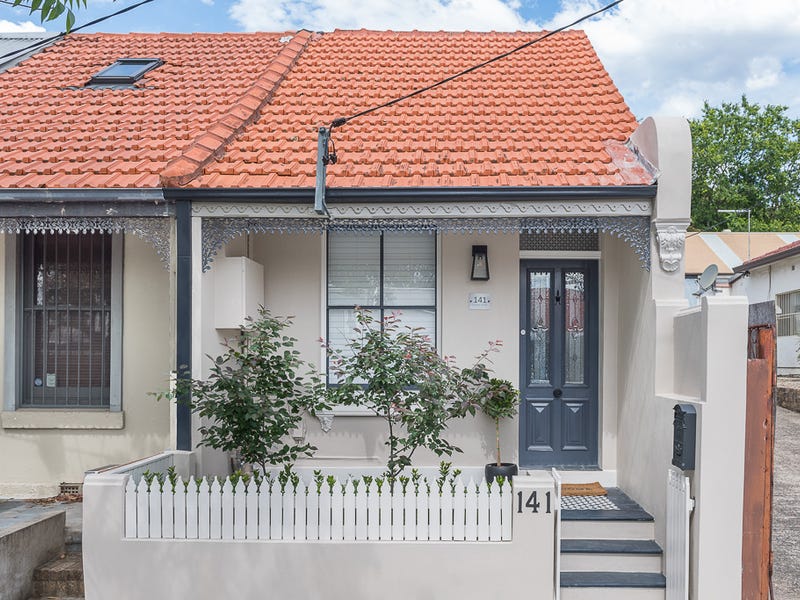
General buyers agencies may hear about off-market opportunities through broader industry channels, but they lack the immediate notification and preferential treatment that comes from being the "go-to" contact for specific suburbs. When a Rozelle terrace becomes available off-market, local agents call their trusted Inner West specialists first. Click here to get about: how your balmain buyers advocate gets you the best price

Private Treaty Sales and Insider Access

Private treaty negotiations in the Inner West require understanding unwritten rules and vendor expectations specific to different pockets of the area. Niche agencies know which streets attract premium pricing, which properties have hidden issues affecting value, and which vendors will negotiate versus those with firm price expectations.

This granular intelligence transforms exclusive access from simply knowing about a property to understanding how to secure it. A general agency might learn about an off-market listing, but a niche Inner West buyers agency knows the selling agent's negotiation style, the vendor's timeline, and the optimal offer strategy.

How Do Niche Agencies Tailor Their Advice and Negotiation Strategies?

Niche Inner West buyers agencies craft tailored advice by drawing on their deep understanding of individual vendor personalities and selling patterns specific to the area. They know which sellers prioritize quick settlements over top dollar, which agents respond better to collaborative approaches versus competitive tension, and how different property types typically perform in negotiations across suburbs like Newtown, Marrickville, or Leichhardt.

This vendor-specific intelligence transforms negotiation strategies from generic tactics into precision instruments. A niche agency might recognize that a particular vendor is downsizing to move closer to family and values certainty over price, allowing them to structure an offer with favorable terms that appeals beyond pure dollar amounts. They understand the subtle cultural nuances of Inner West sellers—many of whom have emotional attachments to heritage properties or community connections—and can position buyers in ways that resonate personally.

Customized advice based on local conditions addresses the unique characteristics of Inner West property transactions:

  • Heritage considerations: Guidance on negotiating properties with conservation restrictions that affect renovation potential and resale value
  • Parking premiums: Precise valuation adjustments for off-street parking in high-density areas where this feature commands significant premiums
  • Zoning opportunities: Identifying properties with dual-occupancy potential or commercial conversion possibilities specific to Inner West planning regulations
  • Gentrification timing: Advising on emerging pockets within established suburbs where value growth patterns differ from broader market trends

Generic agencies typically apply standardized negotiation frameworks that work across multiple markets but miss these localized factors. They might undervalue a worker's cottage in Balmain with laneway access or overestimate the appeal of a modern apartment lacking the character Inner West buyers typically seek.

The depth of local knowledge allows niche agencies to read between the lines of vendor statements and agent communications. When an Inner West agent mentions a seller is "motivated," a specialized buyers agency knows whether this signals genuine urgency or standard sales rhetoric based on their history with that particular agent and suburb dynamics. This contextual understanding prevents buyers from overpaying during manufactured urgency or missing opportunities when genuine motivation exists.

Why Are Relationships Important in the Inner West Property Market?

Relationships are crucial in the Inner West property market, where many deals are made through personal connections before they become public listings. Niche buyers agencies build long-term relationships with local real estate agents, vendors, property developers, and other industry professionals who work exclusively in this area.

Trust-Based Ecosystem

These established relationships create a system based on trust that general agencies cannot replicate. When a niche agency has successfully worked with the same local real estate agents on numerous transactions, those agents prioritize them with early notifications about upcoming listings, insights into vendor motivations, and honest assessments of property conditions that wouldn't be shared with unfamiliar parties.

Competitive Advantage

Access to pre-market intelligence becomes a significant competitive advantage. Local real estate agents often reach out to their trusted niche agency partners before officially listing a property, giving represented buyers the first opportunity to inspect and make offers. This head start can make a big difference in securing a dream home in a market where desirable properties receive multiple offers within days.

Understanding Selling Patterns

The relationship dynamic extends beyond agents to vendors themselves. Niche agencies frequently encounter the same vendors, investors, and property owners across multiple transactions within Inner West suburbs. This familiarity allows them to understand selling patterns, preferred negotiation styles, and realistic price expectations specific to individual sellers.

Preferential Treatment in Bidding

Trust translates to preferential treatment during competitive bidding scenarios. When multiple offers arrive at the same time, vendors and their agents naturally favor buyers represented by agencies they know and respect. A niche agency's reputation for smooth settlements, realistic clients, and professional conduct makes their offers more appealing than identical bids from unknown representatives.

Strengthening Existing Relationships

The network effect compounds over time. Each successful transaction strengthens existing relationships while creating new connections with conveyancers, building inspectors, mortgage brokers, and other professionals who become part of the agency's referral ecosystem. These multi-layered relationships provide buyers with vetted service providers who understand Inner West property nuances.

Accumulating Reputation Capital

Reputation capital accumulated through consistent performance cannot be bought or quickly developed. General agencies entering the Inner West market lack the historical goodwill that opens doors, facilitates difficult negotiations, and secures opportunities that never reach broader awareness. This social infrastructure proves particularly valuable during market downturns when vendors become more selective about which buyers they engage with seriously.

In such situations, understanding the dynamics of trust in real estate transactions becomes paramount. Trust is not only built through successful transactions but also maintained through transparency and consistent communication which further solidifies these vital relationships in the real estate market.

When Might a General Buyers Agency Be Preferable Over a Niche One?

A general buyers agency becomes the better choice when your property search spans multiple markets across Sydney or beyond. Buyers exploring options in several regions simultaneously benefit from agencies with broad coverage rather than hyper-local expertise.

Scenarios favoring general agencies include:

  • Undecided location preferences: When you're comparing properties across different Sydney regions—perhaps weighing the Inner West against the Lower North Shore or Eastern Suburbs—a general agency provides consistent service across all areas under consideration.
  • Investment portfolio diversification: Property investors building portfolios across multiple suburbs or cities need agencies with wide geographic reach to identify opportunities in various markets simultaneously.
  • Relocation flexibility: Buyers relocating to Sydney without firm suburb preferences benefit from agencies that can showcase properties across diverse neighborhoods, helping narrow down location choices through comparative market analysis.
  • Budget-driven searches: When price constraints require casting a wider net beyond the Inner West's premium pricing, general agencies can identify comparable properties in adjacent or alternative regions that offer better value.

General agencies maintain networks across multiple markets, enabling them to pivot quickly between regions as buyer priorities shift. This flexibility proves valuable when initial target areas prove unaffordable or unsuitable, requiring rapid exploration of alternative locations.

The trade-off involves sacrificing depth of local knowledge for breadth of coverage. A general agency may understand Sydney's property market comprehensively but lacks the granular insights into specific Inner West streets, school catchments, or upcoming development projects that niche agencies possess through daily immersion in the local market.

Buyers with genuinely open location criteria—particularly first-time buyers still determining which Sydney neighborhood suits their lifestyle—gain more value from agencies offering comparative perspectives across regions rather than concentrated expertise in one area.

How Should Buyers Decide Between a Niche or General Buyers Agency?

The decision depends on aligning your buyer priorities with the agency's abilities. Begin by clarifying your property goals and location preferences—if you're set on buying in the Inner West, a specialized agency offers targeted knowledge that directly matches your requirements.

Assess Your Location Commitment

Are you certain about buying in the Inner West, or are you considering multiple Sydney areas? Buyers with a specific location preference benefit from niche agencies' focused expertise, while those looking at properties in various regions may require the wider reach general agencies provide.

Evaluate Your Timeline and Competition Level

The Inner West market moves quickly, with many sought-after properties selling off-market or through private negotiations. Buyers facing tight deadlines or competitive bidding situations gain advantages from niche agencies' established networks and immediate access to opportunities before they become public listings.

Consider Your Property Type and Budget Range

Different agencies develop expertise in specific property types. A niche Inner West agency understands which suburbs offer the best value for terrace houses versus modern apartments, and how pricing varies between heritage-listed properties and contemporary builds within the area.

Examine the Agency's Track Record

Request evidence of recent transactions in your target suburbs. A niche agency should demonstrate:

  • Recent sales data from your preferred Inner West locations
  • Client testimonials from buyers with similar property goals
  • Examples of off-market deals secured through their local connections
  • Knowledge of upcoming developments affecting property values

Match Service Level to Your Experience

First-time buyers often need more guidance on local market nuances, making a niche agency's detailed suburb knowledge valuable. Experienced investors might prioritize an agency's negotiation track record and access to exclusive opportunities over educational support.

Calculate the Value Proposition

Compare fee structures against potential benefits. A niche agency's ability to negotiate better prices through local relationships or secure off-market properties may offset higher service fees, particularly in competitive Inner West suburbs where properties attract multiple bidders.

Inner West Buyers Agency

Conclusion

Is a niche Inner West buyers agency better than a general one? The answer depends entirely on your property buying goals and where you plan to invest.

For buyers committed to the Inner West, a specialized agency delivers unmatched advantages. Their hyperlocal expertise, exclusive off-market access, and established relationships within specific suburbs create opportunities that general agencies simply cannot replicate. The niche vs general buyers agency debate becomes clear when you consider the competitive nature of Inner West property buying—specialized knowledge translates directly into better outcomes.

General agencies serve buyers well when flexibility across multiple regions matters more than depth in one area. They provide valuable services for those exploring various Sydney markets or uncertain about their target location.

Your Inner West property buying decision should reflect these key considerations:

  • Geographic commitment: Are you focused exclusively on the Inner West or considering multiple areas?
  • Market complexity: Do you need someone who understands the nuances of Marrickville versus Leichhardt versus Balmain?
  • Access requirements: How important are off-market properties and private treaty sales to your search?
  • Timeline urgency: Can you afford to miss opportunities that only local specialists hear about first?

The right buyers agency aligns with your specific circumstances, not a one-size-fits-all approach. Evaluate agencies based on their track record in your target area, their network depth, and their ability to articulate local market dynamics. Request case studies from your preferred suburbs and ask detailed questions about their recent transactions.

Your property investment deserves an advocate who brings genuine expertise to your specific market. Choose strategically, and your buyers agency becomes a powerful asset in securing the right property at the right price.


{ "@context": "https://schema.org", "@type": "BlogPosting", "mainEntityOfPage": { "@type": "WebPage", "@id": "https://hotrealtyinc.com/is-a-niche-inner-west-buyers-agency-better-than-a-general-one/" }, "headline": "Is a Niche Inner West Buyers Agency Better Than a General One?", "image": [ "https://hotrealtyinc.com/wp-content/uploads/2026/01/image-asset-3.webp", "https://hotrealtyinc.com/wp-content/uploads/2026/01/image-asset-2.webp", "https://hotrealtyinc.com/wp-content/uploads/2026/01/image-22.jpg" ], "author": { "@type": "Person", "name": "Patrick Lackey", "url": "https://hotrealtyinc.com/author/admin/" }, "publisher": { "@type": "Organization", "name": "Hot Realty Australia", "logo": { "@type": "ImageObject", "url": "https://hotrealtyinc.com/wp-content/uploads/2022/12/HAMZA-YT-2-Edited.png" } }, "datePublished": "" }

Buyer’s Agent

Buyer’s Agent vs Real Estate Agent in Australia: What’s the Difference?

If you’re buying property in Australia, one of the most confusing parts of the process is understanding who actually represents you. Many buyers assume the real estate agent showing them homes is there to help them secure the best deal. In reality, that agent is legally obligated to act in the seller’s best interests.

This is where the distinction between a buyer’s agent and a real estate agent becomes critical.

In this guide, we’ll clearly explain the difference between a buyer’s agent and a real estate agent in Australia, how each role works, and why more buyers—especially in competitive markets like Sydney, Melbourne, and Brisbane—are choosing to work with a buyers agency to protect their interests.


Understanding the Australian Property Landscape

Australia’s property market is fast-moving, competitive, and highly localised. Prices, demand, and buyer behaviour can vary dramatically between suburbs—and even streets.

For buyers, this creates challenges such as:

  • Limited supply in desirable areas
  • Auction-driven competition
  • Pressure to make quick decisions
  • Information imbalance between buyers and sellers

Understanding who is on your side can significantly impact your outcome.


What Is a Real Estate Agent in Australia?

A real estate agent (also called a selling agent or listing agent) is hired by the property owner to sell their home. Their primary responsibility is to achieve the best possible price and terms for the seller.

Key Responsibilities of a Real Estate Agent

  • Marketing the property
  • Hosting inspections and open homes
  • Managing buyer enquiries
  • Negotiating on behalf of the seller
  • Running auctions

While real estate agents must follow ethical and legal standards, their loyalty is clearly with the vendor—not the buyer.

This doesn’t make them dishonest; it simply defines their role.


What Is a Buyer’s Agent in Australia?

A buyer’s agent is a licensed professional who represents the buyer exclusively. They work independently of selling agents and act solely in the buyer’s best interests.

A buyers agency supports buyers throughout the purchasing process, from planning and research to negotiation and settlement.

Buyer’s agents assist:

  • First-home buyers
  • Investors
  • Home upgraders or downsizers
  • Interstate and overseas buyers


Buyer’s Agent vs Real Estate Agent: The Core Difference

The simplest way to understand the difference is this:

  • Real estate agent = works for the seller
  • Buyer’s agent = works for the buyer

Let’s break this down further.


Who Do They Represent?

Real Estate Agent

A real estate agent is legally bound to act in the seller’s best interests. Their goal is to maximise sale price and secure favourable terms for the vendor.

Buyer’s Agent

A buyer’s agent is legally bound to act in the buyer’s best interests. Their focus is on securing the right property at the right price, with minimal risk.

This difference alone can dramatically change the buying experience.


How They Are Paid

Real Estate Agent Fees

Selling agents are typically paid a commission by the seller, based on the final sale price. This naturally incentivises a higher price.

Buyer’s Agent Fees

Buyer’s agents are paid by the buyer, usually via a fixed fee or percentage of the purchase price. Their incentive is aligned with value, not price inflation.


Property Search and Access

Real Estate Agents

Selling agents only show properties they are contracted to sell. Their recommendations are limited to their own listings.

Buyer’s Agents

Buyer’s agents search the entire market—on-market and off-market. Many buyer’s agents have access to properties before they are publicly listed, especially in tightly held suburbs.

In cities like Sydney and Melbourne, this early access can reduce competition and stress.


Negotiation Approach

Real Estate Agents

Negotiation is conducted to achieve the seller’s goals. Buyers are often encouraged to increase offers or bid emotionally at auction.

Buyer’s Agents

Buyer’s agents negotiate strategically and objectively. They use recent sales data, local insight, and experience to avoid overpaying.

This is one of the most valuable services a buyers agent Australia-wide can provide.


Buyer’s Agent


Due Diligence and Risk Assessment

Real Estate Agents

Selling agents must disclose known issues, but they do not actively investigate risks for buyers.

Buyer’s Agents

Buyer’s agents conduct thorough due diligence, including:

  • Price analysis using comparable sales
  • Building and pest report reviews
  • Strata record assessments
  • Identification of red flags

This proactive approach helps buyers avoid costly mistakes.


Time and Stress Management

Buying Without Representation

Many buyers spend months attending inspections, researching suburbs, and missing out on properties. The process often becomes emotionally draining.

Buying With a Buyer’s Agent

A buyer’s agent streamlines the process by shortlisting suitable properties, inspecting on your behalf, and handling negotiations.

For busy professionals or families, this time-saving benefit is significant.


Practical Example: Buyer’s Agent vs Real Estate Agent

Imagine a first-home buyer in Sydney attending open homes every weekend. They rely on selling agents for advice and repeatedly overbid due to pressure.

By engaging a buyer’s agent in Sydney, the buyer receives:

  • Clear suburb recommendations based on budget
  • Access to an off-market property
  • Objective price guidance
  • Calm, professional negotiation

The outcome is a smoother purchase and greater confidence.


Common Buyer Misconceptions

“The Selling Agent Is Helping Me”

Selling agents may be friendly and helpful—but their duty is to the seller.

“Buyer’s Agents Are Only for the Wealthy”

Buyer’s agents assist many first-home buyers and mid-range purchasers, not just luxury clients.

“I Can Do Everything Myself”

Some buyers can. But many underestimate the complexity, time, and emotional pressure involved.


When Should You Consider a Buyer’s Agent?

A buyer’s agent may be worth considering if you:

  • Are a first-home buyer
  • Feel overwhelmed or time-poor
  • Are buying in a competitive market
  • Want expert negotiation support
  • Are purchasing interstate or overseas

A good buyers agency educates rather than pressures.


Are Buyer’s Agents Legal and Regulated in Australia?

Yes. Buyer’s agents must be licensed or registered under state legislation, such as:

  • NSW Fair Trading
  • Consumer Affairs Victoria
  • Office of Fair Trading Queensland

Always check credentials before engaging an agent.


How to Choose the Right Buyer’s Agent

Before hiring a buyer’s agent, ask:

  • Do you represent buyers only?
  • Are you licensed in this state?
  • How do you source properties?
  • What is included in your fee?
  • Do you receive commissions from selling agents?

Transparency is a strong indicator of professionalism.


Buyer’s Agent vs Real Estate Agent: Which One Do You Need?

You don’t choose between them—you choose who represents you.

  • The real estate agent represents the seller
  • The buyer’s agent represents you

Understanding this distinction empowers you to make better decisions and avoid costly misunderstandings.


Final Thoughts: Buying With Clarity and Confidence

Knowing the difference between a buyer’s agent and a real estate agent in Australia is one of the most important lessons for property buyers. While selling agents play a vital role in the market, their interests are not aligned with yours.

A professional buyer’s agent offers clarity, protection, and strategic guidance—especially in competitive cities like Sydney, Melbourne, and Brisbane.

If you value informed decision-making, reduced stress, and strong negotiation support, working with a buyers agency may be one of the smartest steps in your property journey.


Frequently Asked Questions (FAQs)

Do real estate agents work for buyers in Australia?

No. Real estate agents are hired by sellers and act in the seller’s best interests.

Can a buyer’s agent negotiate on my behalf?

Yes. Negotiation is one of the core services provided by buyer’s agents.

Are buyer’s agents only for investors?

No. Buyer’s agents assist first-home buyers, families, and owner-occupiers as well.

Do buyer’s agents get off-market properties?

Often, yes. While not guaranteed, buyer’s agents frequently gain early access to listings.

Can I use a buyer’s agent in Sydney, Melbourne, or Brisbane?

Yes. Many buyer’s agents operate city-specific or Australia-wide services.


{ "@context": "https://schema.org", "@type": "BlogPosting", "mainEntityOfPage": { "@type": "WebPage", "@id": "https://hotrealtyinc.com/auto-draft/" }, "headline": "Buyer’s Agent vs Real Estate Agent in Australia: What’s the Difference?", "image": [ "https://hotrealtyinc.com/wp-content/uploads/2025/09/Top-5-Benefits-of-Using-a-Buyers-Agent-When-Purchasing-Property.jpg", "https://hotrealtyinc.com/wp-content/uploads/2025/09/crop-person-writing-counting-scaled-1.webp" ], "author": { "@type": "Person", "name": "Patrick Lackey", "url": "https://hotrealtyinc.com/author/admin/" }, "publisher": { "@type": "Organization", "name": "Hot Realty Australia", "logo": { "@type": "ImageObject", "url": "https://hotrealtyinc.com/wp-content/uploads/2022/12/HAMZA-YT-2-Edited.png" } }, "datePublished": "2025-12-31", "dateModified": "2025-12-31" }

Choosing Between Scaffold Shade Cloth and Scaffold Netting for Weather Protection

Choosing Between Scaffold Shade Cloth and Scaffold Netting for Weather Protection

When it comes to construction sites, ensuring the safety and comfort of workers is paramount. One of the key elements in achieving this is the choice of scaffold coverings. Scaffold shade cloth and scaffold netting are two popular options, each offering distinct advantages and disadvantages. Understanding these differences can help you make an informed decision that best suits your project’s needs.

Understanding Scaffold Shade Cloth

Scaffold shade cloth is designed primarily to provide shade and reduce heat on construction sites. Made from woven fabric, it allows air to flow while blocking harmful UV rays. This is particularly beneficial in hot climates, where excessive sun exposure can lead to heat stress among workers.

Choosing Between Scaffold Shade Cloth and Scaffold Netting for Weather Protection

Benefits of Scaffold Shade Cloth

One of the standout features of scaffold shade cloth is its UV resistance. According to research, UV-resistant scaffold mesh can maintain its integrity for 2-3 years under continuous sun exposure, significantly reducing the frequency of replacements by 60-70% (Covert Procurement). This durability not only saves costs but also ensures that your site remains compliant with safety regulations.

Additionally, scaffold shade cloth can provide a shade rate of approximately 60%, which is crucial for protecting workers from sunburn and heat-related illnesses. This is particularly relevant for projects scheduled during the hotter months, where the risk of heat stress is elevated.

Applications of Scaffold Shade Cloth

Scaffold shade cloth is ideal for various construction projects, especially those involving outdoor work. It is commonly used in residential and commercial construction, landscaping, and even events where temporary structures are erected. The versatility of shade cloth makes it a go-to choice for many contractors looking to enhance worker comfort.

Moreover, it can also serve aesthetic purposes, as it comes in various colours and designs, allowing for a more visually appealing construction site. This can be particularly beneficial for projects in urban areas where appearance matters.

The Role of Scaffold Netting

Scaffold netting, on the other hand, is primarily designed to enhance safety on construction sites. Made from a more robust material, it is intended to catch falling debris and prevent accidents. This is crucial in reducing the risk of injuries caused by falling objects, which account for 21% of non-fatal construction injuries, as highlighted by a 2022 study by the Construction Industry Research and Information Association (CIRIA) (Blue Ocean Plastic).

Advantages of Scaffold Netting

One of the primary advantages of scaffold netting is its ability to mitigate hazards. It can reduce construction risks by up to 70%, providing a safer working environment for everyone on site (Blue Ocean Plastic). This is particularly important in high-rise construction, where the potential for falling tools and materials is significantly increased.

Scaffold netting also offers a degree of weather protection, although it is not as effective as shade cloth in blocking UV rays. With a density of approximately 215 g/m², scaffold netting provides a shade rate of around 60%, which can help protect workers from sun exposure while still allowing for adequate airflow (Scaffold Pole).

https://www.youtube.com/watch?v=Prx85BYFwbU&pp=ygVRQ2hvb3NpbmcgQmV0d2VlbiBTY2FmZm9sZCBTaGFkZSBDbG90aCBhbmQgU2NhZmZvbGQgTmV0dGluZyBmb3IgV2VhdGhlciBQcm90ZWN0aW9u

Applications of Scaffold Netting

Scaffold netting is widely used in various construction projects, particularly those involving high-rise buildings, bridges, and other structures where the risk of falling debris is heightened. It is also beneficial in renovation projects where existing structures may pose additional hazards.

In addition to construction, scaffold netting is often employed in events and festivals, providing safety and security in crowded areas. Its ability to contain debris and protect attendees makes it a popular choice for event planners.

Comparing the Two: When to Use Each

Choosing between scaffold shade cloth and scaffold netting ultimately depends on the specific needs of your project. If your primary concern is worker comfort and protection from the sun, scaffold shade cloth is the better option. Its UV resistance and ability to provide shade can significantly enhance working conditions, especially in hot climates.

Conversely, if safety is your main priority, scaffold netting should be your go-to choice. Its robust design helps prevent accidents caused by falling objects, making it essential for high-risk construction sites. In many cases, a combination of both may be the best solution, providing comprehensive protection against both weather and safety hazards.

Cost Considerations

When evaluating the costs associated with scaffold shade cloth and netting, it is essential to consider not only the initial purchase price but also the long-term benefits. While scaffold shade cloth may have a higher upfront cost, its durability and reduced replacement frequency can lead to significant savings over time. As mentioned earlier, UV-resistant scaffold mesh can last for 2-3 years, which is a considerable advantage for budget-conscious contractors.

On the other hand, scaffold netting, while generally more affordable, may require more frequent replacements, especially in harsh weather conditions. Understanding the specific environmental factors at your construction site can help you make a more informed decision regarding your budget.

Training and Safety Protocols

Regardless of which option you choose, proper training and education for employees on working safely with scaffolding is crucial. John Smith, a Safety Manager at ABC Construction, emphasises the importance of training: "Proper training and education for employees on working safely on scaffolding in winter conditions is essential to mitigate risks and ensure adherence to safety protocols" (Scaffold Type).

Implementing safety protocols and ensuring that all workers understand the risks associated with scaffold use can significantly reduce the likelihood of accidents. Regular safety meetings and refresher courses can help keep safety at the forefront of your construction operations.

Choosing Between Scaffold Shade Cloth and Scaffold Netting for Weather Protection

Conclusion

Choosing between scaffold shade cloth and scaffold netting is not a decision to be taken lightly. Both options offer unique benefits that cater to different aspects of construction safety and worker comfort. By understanding the specific needs of your project, considering cost implications, and prioritising safety training, you can create a safer and more efficient working environment.

Ultimately, the right choice will depend on the specific conditions of your construction site, the nature of the work being performed, and the overall goals of your project. Whether you opt for shade cloth, netting, or a combination of both, ensuring the safety and comfort of your workers should always be your top priority.

Click here: A Complete Guide to Site Mesh Regulations and Installation Standards in Australia


{ "@context": "https://schema.org", "@type": "BlogPosting", "mainEntityOfPage": { "@type": "WebPage", "@id": "https://hotrealtyinc.com/choosing-between-scaffold-shade-cloth-and-scaffold-netting-for-weather-protection/" }, "headline": "Choosing Between Scaffold Shade Cloth and Scaffold Netting for Weather Protection", "image": [ "https://hotrealtyinc.com/wp-content/uploads/2025/11/Content_Debris-Netting-1024x576-1.jpg", "https://hotrealtyinc.com/wp-content/uploads/2025/11/bianzu-16beifen-1024x640-1.webp", "https://hotrealtyinc.com/wp-content/uploads/2025/11/1.jpg" ], "author": { "@type": "Person", "name": "Patrick Lackey", "url": "https://hotrealtyinc.com/author/admin/" }, "publisher": { "@type": "Organization", "name": "Hot Realty Australia", "logo": { "@type": "ImageObject", "url": "https://hotrealtyinc.com/wp-content/uploads/2022/12/HAMZA-YT-2-Edited.png" } }, "datePublished": "" }

A Complete Guide to Site Mesh Regulations and Installation Standards in Australia

A Complete Guide to Site Mesh Regulations and Installation Standards in Australia

Site mesh plays a crucial role in ensuring safety on construction sites across Australia. With a significant number of workplace fatalities resulting from falls and falling objects, understanding the regulations and installation standards for site mesh is essential for both employers and workers. This guide delves into the various aspects of site mesh regulations, installation standards, and best practices to enhance safety on construction sites.

Understanding Site Mesh and Its Importance

Site mesh, often referred to as safety mesh, is a protective barrier designed to prevent falls from heights and to contain falling objects. Its installation is not just a regulatory requirement; it is a vital component of workplace safety. The statistics are alarming: in a recent report by Safe Work Australia, 18 deaths were attributed to falls from heights and 17 to falling objects in just one year. The total cost of such workplace injuries amounts to approximately $60 billion annually.

Given these figures, the importance of proper site mesh installation cannot be overstated. When installed correctly, safety mesh can significantly reduce the risk of injuries and fatalities, providing peace of mind for workers and employers alike. However, improper installation methods can compromise the integrity of the mesh, leading to disastrous consequences.

Types of Site Mesh

There are several types of site mesh available, each designed for specific applications. Common types include:

  • Safety Mesh: Typically used on scaffolding to prevent falls and protect workers below.
  • Containment Mesh: Designed to contain debris and tools, preventing them from falling onto lower levels.
  • Temporary Fencing Mesh: Used to secure construction sites and prevent unauthorised access.

Each type of mesh has its own set of regulations and installation standards, which must be adhered to for optimal safety and compliance.

A Complete Guide to Site Mesh Regulations and Installation Standards in Australia

Regulatory Framework for Site Mesh in Australia

The regulatory landscape for site mesh installation in Australia is governed by several key documents and standards. Safe Work Australia provides a National Code of Practice for the Prevention of Falls in General Construction, which outlines the requirements for safety mesh installation. According to this code, safety mesh must be installed by competent persons who are trained in the specific methods required to ensure secure connections to structures and adequate overlap between mesh sections.

Additionally, the Australian Standard AS 4687:2022 specifies that temporary fencing should incorporate anti-climb mesh with aperture sizes not exceeding 75 mm. This standard ensures that the fencing can withstand specified impact and wind-overturning tests, thereby enhancing site security and safety.

Key Regulations to Consider

When installing site mesh, it is essential to consider the following regulations:

  • AS/NZS 1657 (1992): Provides guidelines for grid mesh installation but lacks specific standards for barricading.
  • AS1576.7: Sets the standards for scaffold containment, which must be adhered to when using safety mesh.
  • National Code of Practice: Requires that safety mesh installation be performed by competent individuals, ensuring that safety measures are properly implemented.

Understanding these regulations is crucial for compliance and for ensuring the safety of all personnel on site.

Best Practices for Safety Mesh Installation

Proper installation of safety mesh is critical to its effectiveness. Steve Rocco from the Plumbing Trades Employees Union of Australia highlights that improper installation methods, such as using metal flashing 'tek' screws, can compromise the integrity of safety mesh. Here are some best practices to follow:

1. Competent Installation

Ensure that only trained and competent personnel are responsible for the installation of safety mesh. This includes understanding the specific methods required for secure connections and overlaps. Regular training sessions can help keep the team updated on best practices and regulatory changes.

2. Secure Connections

Connections between the safety mesh and the supporting structure must be secure. Use appropriate fasteners and ensure that they are installed according to the manufacturer's specifications. Regular inspections should be conducted to check for any signs of wear or damage.

3. Overlap Requirements

Safety mesh sections must overlap adequately to prevent gaps that could lead to falls. The overlap should be at least 300 mm, but this may vary depending on specific site requirements and regulations. Always refer to the manufacturer's guidelines for the best practices regarding overlaps.

https://www.youtube.com/watch?v=HB3jmH2rz94&pp=ygVRQSBDb21wbGV0ZSBHdWlkZSB0byBTaXRlIE1lc2ggUmVndWxhdGlvbnMgYW5kIEluc3RhbGxhdGlvbiBTdGFuZGFyZHMgaW4gQXVzdHJhbGlh

Recent Developments in Site Mesh Technology

Innovation in site mesh technology continues to evolve, with new products being introduced to enhance safety. For instance, Sitemax has recently launched Spidermesh, a reusable, flame-retardant structural containment mesh that exceeds Australian Standard AS1576.7. This advancement reflects a significant step forward in scaffold containment safety, offering improved protection for workers and reducing the risk of accidents.

These developments not only improve safety but also contribute to more sustainable practices within the construction industry. Using reusable materials like Spidermesh can reduce waste and lower costs in the long run.

Benefits of Advanced Mesh Solutions

Advanced mesh solutions offer several benefits, including:

  • Enhanced Safety: New materials and designs provide better protection against falls and falling objects.
  • Cost-Effectiveness: Reusable options reduce the need for frequent replacements, saving money over time.
  • Compliance with Standards: Innovative products often exceed existing safety standards, ensuring that sites remain compliant with regulations.

Challenges in Site Mesh Compliance

Despite the clear benefits of site mesh, compliance can be challenging. A 2012 report by Ibis Business Solutions and People Knowledge Consulting highlighted the lack of specific industry standards for barricading, indicating a need for standardised practices. This gap can lead to confusion and inconsistency in safety measures across different sites.

Moreover, the rapid pace of technological advancements means that regulations may lag behind. Keeping up with the latest developments in safety mesh technology and ensuring compliance with evolving standards can be a daunting task for construction managers.

Addressing Compliance Challenges

To address these challenges, construction companies should:

  • Regular Training: Conduct regular training sessions to ensure that all personnel are aware of the latest regulations and best practices.
  • Consult Experts: Engage with safety consultants or industry experts to stay informed about compliance requirements and technological advancements.
  • Implement Standard Operating Procedures: Develop and enforce standard operating procedures for site mesh installation and maintenance to ensure consistency across all projects.

A Complete Guide to Site Mesh Regulations and Installation Standards in Australia

Conclusion

Site mesh is an essential component of workplace safety in the construction industry. Understanding the regulations and installation standards is crucial for ensuring the safety of workers and compliance with legal requirements. By following best practices, embracing new technologies, and addressing compliance challenges, construction companies can significantly reduce the risk of falls and injuries on site. Investing in safety mesh is not just a regulatory obligation; it is a commitment to protecting the lives of those who work in the industry.

Click here: Choosing Between Scaffold Shade Cloth and Scaffold Netting for Weather Protection


{ "@context": "https://schema.org", "@type": "BlogPosting", "mainEntityOfPage": { "@type": "WebPage", "@id": "https://hotrealtyinc.com/a-complete-guide-to-site-mesh-regulations-and-installation-standards-in-australia/" }, "headline": "A Complete Guide to Site Mesh Regulations and Installation Standards in Australia", "image": [ "https://hotrealtyinc.com/wp-content/uploads/2025/11/Safety-Mesh-installed-during-construction-of-Commercial-Building.jpg", "https://hotrealtyinc.com/wp-content/uploads/2025/11/IMG_8952sm_1100x.webp", "https://hotrealtyinc.com/wp-content/uploads/2025/11/1-net-install.webp" ], "author": { "@type": "Person", "name": "Patrick Lackey", "url": "https://hotrealtyinc.com/author/admin/" }, "publisher": { "@type": "Organization", "name": "Hot Realty Australia", "logo": { "@type": "ImageObject", "url": "https://hotrealtyinc.com/wp-content/uploads/2022/12/HAMZA-YT-2-Edited.png" } }, "datePublished": "" }

Cupped hands holding a simple cardboard model house.

Is Property Investment Still Worth It in Australia’s 2025 Market?

 Introduction: The State of the Property Market in 2025

With rising interest rates, inflation, and evolving regulations, many investors are questioning whether property investment is still worthwhile in Australia. Despite these challenges, real estate remains one of the most reliable ways to build wealth. This article explores why property investment continues to offer significant opportunities in 2025 and beyond.

 Strong Demand for Australian Property

Australia’s growing population, immigration trends, and urban expansion continue to drive property demand. Cities like Sydney, Melbourne, Brisbane, and emerging regional centers are experiencing strong housing needs, ensuring rental demand and capital growth potential.

 Population Growth and Urbanization

Population growth fuels housing demand, particularly in capital cities and regional hubs with job opportunities. Urbanization encourages investment in residential and mixed-use developments to meet this increasing demand.

 Rental Demand Remains Robust

Rental properties remain in high demand due to affordability challenges, housing shortages, and lifestyle shifts. Investors focusing on high-demand areas can secure steady rental income and positive cash flow.

 Infrastructure Developments Drive Growth

Government and private infrastructure projects, such as new transport links, schools, and commercial developments, enhance property value and attract long-term investment opportunities.

 Opportunities in Regional and Emerging Markets

While capital cities remain strong, regional and emerging suburbs offer attractive investment opportunities. Lower property prices, high rental yields, and potential for capital growth make these areas appealing for both new and experienced investors.

Hands exchanging house keys with a red keyring over a contract.

 Diversification as a Strategy

Property investors can minimize risk and maximize returns by diversifying across property types, locations, and investment strategies. Combining residential, commercial, and short-term rental properties helps build a resilient portfolio.

 Balancing Growth and Income

Investors can mix high-yield properties with high-growth properties to ensure steady cash flow while building long-term equity. Buyers agents Australia can assist in selecting the right mix based on market trends.

 Leveraging Professional Guidance

Using property advisors and buyers agents provides access to off-market properties, negotiation expertise, and strategic advice, increasing the likelihood of profitable investment decisions.

 Conclusion

Property investment in Australia remains a worthwhile pursuit in 2025 for those who conduct thorough research, leverage professional guidance, and adopt a strategic approach. By focusing on strong-demand areas, emerging suburbs, and portfolio diversification, investors can continue building wealth despite market challenges.

 FAQs

Q1: Is property investment still profitable in Australia in 2025?

Yes, with strategic planning, research, and professional guidance, property investment remains a profitable wealth-building option.

Q2: Should I focus on capital cities or regional areas?

Both offer opportunities. Capital cities provide stable growth, while regional areas often deliver higher yields and affordable entry points.

Q3: How can buyers agents help with property investment?

Buyers agents provide market insights, access to off-market properties, negotiation expertise, and guidance to maximize returns.

Q4: Is diversification necessary in 2025?

Yes, diversifying across property types and locations reduces risk and strengthens portfolio resilience.

Residential tree removal

Understanding Residential Tree Removal

Residential tree removal is a crucial service that many homeowners may need at some point. Whether it's due to safety concerns, aesthetic preferences, or property development, knowing when and how to remove a tree can save you time, money, and potential hazards. This guide delves into the various aspects of residential tree removal, including its importance, the process involved, and the factors influencing costs.

The Importance of Residential Tree Removal

Tree removal is not merely about cutting down trees; it plays a vital role in maintaining the safety and health of your property. Trees that are dead, diseased, or damaged can pose significant risks. They may fall unexpectedly, especially during storms, leading to injuries or property damage. In fact, a study revealed that between 1995 and 2007, 407 fatalities occurred in the U.S. due to "wind-related tree failures" (source: Casey Trees). This statistic underscores the necessity of regular tree maintenance and removal when required.

Moreover, the demand for residential tree removal services has surged. In 2024, over 39% of tree care service contracts originated from the residential sector, indicating a growing awareness among homeowners about the importance of tree management (source: Market Growth Reports). As urban areas expand, the need for tree maintenance becomes even more pressing, ensuring that trees do not interfere with power lines or roadways.

Safety First

One of the primary reasons for tree removal is safety. Trees that are leaning, have large dead branches, or show signs of disease can become dangerous. Homeowners should regularly inspect their trees for any signs of distress. If you notice any of the following, it may be time to consider removal:

  • Visible decay or damage to the trunk
  • Fungal growth at the base
  • Large cracks or splits in the branches
  • Roots that are exposed or damaged

Consulting with a certified arborist can provide clarity on whether a tree should be removed or if it can be saved through treatment. The tree care service industry currently faces a gap of over 29,000 certified arborists globally, which can affect the quality and safety of tree management (source: Market Growth Reports).

Aesthetic Considerations

Beyond safety, aesthetic reasons often drive homeowners to remove trees. A tree that has outgrown its space or is obstructing a beautiful view can detract from the overall appearance of a property. In some cases, homeowners may wish to create more sunlight in their gardens or enhance landscaping features. Removing a tree can open up new possibilities for garden design and improve the overall ambience of the outdoor space.

https://www.youtube.com/watch?v=3mTd8ZTG_cc&pp=ygUmVW5kZXJzdGFuZGluZyBSZXNpZGVudGlhbCBUcmVlIFJlbW92YWw%3D

The Tree Removal Process

Understanding the tree removal process can help homeowners prepare for what to expect. While some may consider DIY removal, hiring professionals is often the safest and most effective route. Here’s a breakdown of the typical steps involved in professional tree removal:

Assessment

The first step is an assessment by a qualified arborist. They will evaluate the tree's health, its proximity to structures, and the potential risks involved in its removal. This assessment is crucial for determining the best approach to take.

Planning

Once the assessment is complete, a removal plan is developed. This plan includes details on how the tree will be taken down, the equipment required, and safety measures to be implemented. For larger trees, rigging techniques may be necessary to ensure that branches are lowered safely without causing damage to surrounding areas.

Execution

During the removal process, professionals will use specialised equipment such as chainsaws, ropes, and cranes. The tree is typically cut down in sections, starting from the top and working downwards. This method reduces the risk of falling branches and allows for better control over the tree's descent.

Cleanup

After the tree has been removed, the cleanup process begins. This involves removing the stump, branches, and any debris left behind. Some companies offer stump grinding services to ensure that the stump is completely removed, allowing for replanting or landscaping in that area.

Cost of Residential Tree Removal

The cost of tree removal can vary significantly based on several factors. In 2024, the average cost of professional tree removal in the U.S. increased by 8% to approximately $780 per tree (source: Market Growth Reports). Here are some key factors that influence the overall cost:

Tree Size and Type

Generally, larger trees require more time and equipment to remove, leading to higher costs. The type of tree also plays a role; hardwoods tend to be more expensive to remove than softwoods due to their density and growth patterns. Click here to get more about hardwoods of Australia.

Location

The location of the tree can significantly impact the cost. Trees that are situated close to power lines, buildings, or other structures may require additional safety measures, increasing the overall expense. Accessibility is another factor; if the tree is in a hard-to-reach area, it may take longer to remove.

Condition of the Tree

A tree that is diseased or damaged may require special handling, which can also affect the cost. If the tree poses a higher risk during removal, additional safety protocols may need to be implemented, further increasing the price.

Choosing a Tree Removal Service

Selecting the right tree removal service is crucial for ensuring a safe and efficient process. Here are some tips to help you make an informed decision:

Check Credentials

Always verify that the tree removal service is licensed and insured. This protects you from liability in case of accidents during the removal process. A reputable company will also have certified arborists on staff, ensuring that the work is carried out by knowledgeable professionals.

Read Reviews

Look for customer reviews and testimonials to gauge the quality of service provided by the company. Websites like Google and Yelp can offer valuable insights into the experiences of other homeowners.

Get Multiple Quotes

It’s wise to obtain quotes from several companies before making a decision. This not only helps you understand the average cost but also allows you to assess the level of service each company offers. Be wary of quotes that seem too low; they may indicate a lack of experience or hidden costs.

Residential tree removal

Future Considerations

As the global tree care service market is projected to reach over $44 billion by 2028, driven by urban expansion and increased demand for tree maintenance (source: Tree Rescue Florida), homeowners should consider the long-term implications of tree removal. While it may seem like a straightforward decision, the impact on your property’s ecosystem and landscape should not be overlooked.

In addition, the demand for skilled arborists and tree-care professionals is on the rise, prompting educational institutions to offer more courses aimed at equipping individuals with the necessary skills (source: Tree Rescue Florida). This trend indicates a growing recognition of the importance of tree care, which can lead to better practices and safer environments for homeowners.

Conclusion

Residential tree removal is an essential service that ensures the safety and aesthetic appeal of your property. By understanding the importance of tree maintenance, the removal process, and the factors influencing costs, homeowners can make informed decisions. Always consult with professionals when considering tree removal, and remember that investing in proper tree care can lead to a healthier, more beautiful environment for years to come.

Related : Understanding Tree Removal: Essential Insights and Considerations


{ "@context": "https://schema.org", "@type": "BlogPosting", "mainEntityOfPage": { "@type": "WebPage", "@id": "https://hotrealtyinc.com/understanding-residential-tree-removal/" }, "headline": "Understanding Residential Tree Removal", "image": [ "https://hotrealtyinc.com/wp-content/uploads/2025/11/after-hurricane-storm-damage-trees-with-professional-city-utilities-cutting-tree-city_73110-9287-1024x682.jpg", "https://hotrealtyinc.com/wp-content/uploads/2025/11/man-working-tree-trunk_1048944-23463177.jpg" ], "author": { "@type": "Person", "name": "Patrick Lackey", "url": "https://hotrealtyinc.com/author/admin/" }, "publisher": { "@type": "Organization", "name": "Hot Realty Australia", "logo": { "@type": "ImageObject", "url": "https://hotrealtyinc.com/wp-content/uploads/2022/12/HAMZA-YT-2-Edited.png" } }, "datePublished": "" }

tree removal

Understanding Tree Removal: Essential Insights and Considerations

Tree removal is a critical service that many homeowners and businesses may find themselves needing at some point. Whether due to storm damage, disease, or construction projects, understanding the nuances of tree removal can help you make informed decisions. This guide delves into the various aspects of tree removal, from the reasons behind it to the processes involved and safety considerations.

Why Tree Removal is Necessary

There are several reasons why tree removal may become necessary. Understanding these can help you identify when it’s time to call in the professionals.

1. Safety Concerns

One of the primary reasons for tree removal is safety. Trees that are dead, diseased, or structurally compromised can pose significant risks. For instance, a study found that between 1995 and 2007, 407 fatalities in the U.S. were linked to wind-related tree failures. This statistic underscores the importance of assessing tree health regularly, especially in storm-prone areas.

2. Property Damage

Over time, trees can grow into structures, power lines, or other trees, leading to potential damage. This is particularly common in urban areas where space is limited. If a tree is leaning dangerously or its roots are damaging foundations, removal may be the best option to prevent costly repairs.

3. Aesthetic and Landscape Management

Sometimes, trees may simply not fit into your landscaping plans. Whether you're redesigning your garden or making room for new construction, tree removal can be a necessary part of achieving your desired aesthetic. In 2023 alone, over 6.7 million tree removal tasks were performed worldwide, often driven by such needs.

https://www.youtube.com/shorts/BFtX9BAyNuU

The Tree Removal Process

Understanding the tree removal process can help you prepare for what to expect. Here’s a breakdown of the steps typically involved.

1. Assessment

The first step in any tree removal process is a thorough assessment by a qualified arborist. They will evaluate the tree's health, its location, and the potential risks involved in its removal. This assessment is crucial for determining the best approach and ensuring safety during the removal.

2. Planning

Once the assessment is complete, a detailed plan is developed. This plan includes the method of removal, safety measures, and how to handle the debris. For instance, if the tree is near power lines, special precautions will need to be taken to avoid electrical hazards.

3. Execution

The actual removal process can vary significantly based on the tree's size and location. For smaller trees, the process may involve cutting the tree down in sections. Larger trees may require more complex techniques, such as rigging, to ensure safe removal without damaging surrounding property.

4. Cleanup

After the tree has been removed, cleanup is essential. This includes removing the stump, branches, and any debris left behind. Some companies offer stump grinding services, which can help prevent regrowth and improve the aesthetics of your landscape.

See Also : Understanding Residential Tree Removal

Safety Considerations in Tree Removal

Tree removal is inherently risky, and safety should always be a top priority. Here are some key considerations.

1. Professional Help

Hiring a professional tree removal service is highly recommended. Tree workers face a fatal incident rate of one for every 14 non-fatal injuries, significantly higher than the all-industry ratio of one for every 350 non-fatal injuries. Professionals are trained to handle the risks associated with tree removal safely.

2. Equipment and Gear

Proper equipment is vital for safe tree removal. This includes chainsaws, ropes, and safety gear such as helmets and harnesses. Professionals will have the right tools and knowledge to use them effectively, minimising the risk of accidents.

3. Environmental Impact

Consider the environmental impact of tree removal. Trees play a crucial role in our ecosystem, providing oxygen, improving air quality, and supporting wildlife. Before proceeding with removal, explore alternatives such as pruning or relocating the tree if feasible.

Cost of Tree Removal

The cost of tree removal can vary widely based on several factors. Understanding these can help you budget appropriately.

1. Tree Size and Type

Generally, larger trees are more expensive to remove due to the increased complexity and risk involved. Additionally, certain species may require specialised equipment or techniques, further influencing the cost.

2. Location

The tree's location plays a significant role in determining the cost. Trees situated near power lines, buildings, or other obstacles may require more time and effort to remove safely, leading to higher prices.

3. Additional Services

Many tree removal companies offer additional services, such as stump grinding or debris removal, which can add to the overall cost. It’s wise to discuss these options upfront to avoid unexpected expenses.

tree removal

Choosing the Right Tree Removal Service

Finding a reputable tree removal service is crucial for ensuring a safe and efficient process. Here are some tips to help you choose wisely.

1. Check Qualifications

Always verify the qualifications and certifications of the tree removal company. Look for arborists who are certified by recognised organisations, as this indicates a level of expertise and commitment to safety.

2. Read Reviews

Online reviews and testimonials can provide valuable insights into a company's reputation. Look for feedback regarding their professionalism, safety practices, and customer service.

3. Get Multiple Quotes

Don’t settle for the first quote you receive. Obtaining multiple quotes allows you to compare prices and services, ensuring you get the best value for your money. Be wary of prices that seem too low, as they may indicate a lack of experience or quality. You may like to visit https://www.safework.nsw.gov.au/hazards-a-z/tree-trimming-removal-and-arborist-work to get more about safe tree work.

Future Trends in Tree Removal Services

The tree services industry is evolving, and several trends are shaping its future. Understanding these can help you stay informed.

1. Growing Demand for Arborists

As the tree services market is projected to grow significantly, the demand for skilled arborists and tree-care professionals is on the rise. Educational institutions are responding by offering more courses to equip individuals with the necessary skills, ensuring a steady supply of qualified professionals.

2. Technological Advancements

Technology is playing an increasingly important role in tree removal. From advanced equipment that enhances safety to software that assists in planning and assessment, these innovations are streamlining the process and improving outcomes.

3. Environmental Awareness

With growing awareness of environmental issues, many tree removal companies are adopting more sustainable practices. This includes recycling wood waste, planting new trees, and promoting tree conservation whenever possible.

Conclusion

Tree removal is a significant undertaking that requires careful consideration and planning. Understanding the reasons for removal, the process involved, and the safety measures necessary can help you navigate this task effectively. Whether you're dealing with a hazardous tree or simply looking to enhance your landscape, knowing when and how to proceed is essential. By choosing a reputable service and considering the environmental impact, you can ensure that your tree removal experience is safe, efficient, and responsible.


{ "@context": "https://schema.org", "@type": "BlogPosting", "mainEntityOfPage": { "@type": "WebPage", "@id": "https://hotrealtyinc.com/understanding-tree-removal-essential-insights-and-considerations/" }, "headline": "Understanding Tree Removal: Essential Insights and Considerations", "image": [ "https://hotrealtyinc.com/wp-content/uploads/2025/11/Tree-Arborist8-1024x683-1.jpg", "https://hotrealtyinc.com/wp-content/uploads/2025/11/man-cutting-eucalyptic-tree-with-chainsaw_1028938-137347.jpg" ], "author": { "@type": "Person", "name": "Patrick Lackey", "url": "https://hotrealtyinc.com/author/admin/" }, "publisher": { "@type": "Organization", "name": "Hot Realty Australia", "logo": { "@type": "ImageObject", "url": "https://hotrealtyinc.com/wp-content/uploads/2022/12/HAMZA-YT-2-Edited.png" } }, "datePublished": "" }

“Property Investment in Australia

Top Australian Cities for Property Investment in 2025: Where to Buy Now

As 2025 unfolds, Australia’s property market continues to evolve—driven by population growth, infrastructure expansion, and shifting investor priorities. Despite rising interest rates and affordability challenges, the demand for property remains strong, especially in cities and regions offering lifestyle appeal, job opportunities, and long-term growth potential.

For property investors, understanding where to buy now can make all the difference between moderate returns and lasting wealth. Whether you’re a seasoned investor or just starting, this guide explores the top Australian cities for property investment in 2025, plus strategies to help you make informed, future-focused decisions.


Australia’s Property Market in 2025: What’s Changing?

The Australian real estate market in 2025 is navigating through a dynamic phase. While the Reserve Bank’s interest rate hikes have cooled some buyer enthusiasm, the fundamentals—strong population growth, urban regeneration, and ongoing housing undersupply—continue to fuel investor confidence.

Key Trends Driving the Market

  • Population growth rebounding: Immigration and internal migration are boosting demand for housing across major cities and regional hubs.
  • Rising rental demand: Vacancy rates remain low nationwide, making rental yields particularly attractive.
  • Shift to affordability: Investors are looking beyond Sydney and Melbourne to cities offering better value for money.
  • Sustainability focus: Energy-efficient, low-carbon homes are becoming increasingly sought after by tenants and buyers alike.


Top Cities for Property Investment in 2025

1. Brisbane – The Olympic Boomtown

Brisbane continues to shine as a top performer in 2025. With preparations for the 2032 Olympic Games underway, infrastructure projects like Cross River Rail and the Brisbane Metro are reshaping the city.

See more: Modular Sofa Australia: Customisable Comfort for Every Living Room

Why invest here:

  • Strong population growth and interstate migration.
  • Affordable compared to Sydney and Melbourne.
  • High rental yields, especially in suburbs like Woolloongabba, Chermside, and Springfield.
  • Massive infrastructure investment driving long-term capital growth.


2. Perth – The Underdog Turned Star Performer

After years of stagnation, Perth has emerged as one of the most attractive investment destinations. The city’s economy, supported by mining, renewable energy, and construction, is booming.

Investment advantages:

  • Affordable property prices and strong rental demand.
  • Limited housing supply driving competition.
  • Top suburbs: Baldivis, Ellenbrook, and Joondalup.
  • Consistent year-on-year growth expected through 2025.


3. Adelaide – Quiet Achiever with Strong Returns

Adelaide remains a stable and affordable market with consistent growth. Its appeal lies in steady rental yields, quality of life, and low vacancy rates.

Why investors love Adelaide:

  • Median prices still below other capitals, offering great entry points.
  • Growing defense and manufacturing sectors.
  • Emerging hotspots: Mawson Lakes, Prospect, and Gawler.
  • High demand for family homes and units.


4. Sydney – The Long-Term Powerhouse

Despite being Australia’s most expensive city, Sydney continues to deliver long-term capital growth. Investors focusing on lifestyle-driven suburbs or upcoming infrastructure zones still find profitable opportunities.

Top investment zones:

  • Parramatta, Liverpool, and Penrith (benefiting from Western Sydney Airport).
  • Inner West areas for strong rental yields.
  • Ongoing infrastructure projects supporting value appreciation.

Why it remains relevant:
Sydney remains Australia’s financial hub with unmatched employment opportunities, international appeal, and long-term property stability.


5. Melbourne – Resilient and Reviving

After pandemic slowdowns, Melbourne has rebounded with renewed vigor. Population growth, major infrastructure investment, and urban renewal are driving the city’s resurgence.

Where to watch:

  • Werribee, Sunshine, and Cranbourne for affordable entry points.
  • Docklands and Southbank for high-density apartment investments.
  • Strong demand from students and professionals returning post-COVID.


6. Hobart – Small City, Strong Potential

Though growth has slowed from its 2020–2022 peak, Hobart remains a solid long-term performer thanks to tight housing supply and a lifestyle-driven market.

Why it’s worth considering:

  • Low vacancy rates.
  • Strong rental returns.
  • Increasing interest from mainland investors.
  • Suburbs like Moonah, Glenorchy, and Kingston show steady growth.


7. Canberra – Consistent Performer

As Australia’s capital, Canberra offers strong employment rates, a stable economy, and high-quality tenants—many of whom are public sector professionals.

Key benefits:

  • Reliable rental yields.
  • High household incomes.
  • Steady price appreciation and low vacancy rates.
  • Popular suburbs: Belconnen, Tuggeranong, and Gungahlin.


Smart Strategies for Property Investment in 2025

1. Research Emerging Suburbs

Look for early signs of growth—such as government projects, transport developments, or new commercial hubs. Suburbs in their pre-boom phase often yield the highest returns.

2. Diversify Your Portfolio

Balance your investments across property types and regions. Combining residential properties in capital cities with commercial or regional assets helps spread risk and stabilize returns.

“Property Investment in Australia

3. Leverage Technology

Use AI-powered real estate tools, property data dashboards, and online valuation systems to make data-driven decisions rather than emotional ones.

4. Focus on Sustainability

Investing in energy-efficient homes, solar-equipped properties, and green-certified buildings can increase rental desirability and long-term resale value.

5. Align Investment Goals

Choose between long-term wealth building or short-term profit based on your risk appetite. Long-term investors benefit from compounding equity, while short-term strategies require greater market timing and capital liquidity.


Expert Tips for New Investors

  • Seek professional advice from a buyers agent or financial planner to align your goals with market conditions.
  • Understand taxation benefits, such as depreciation and negative gearing.
  • Keep liquidity in mind — always have a buffer for maintenance, interest rises, or unexpected vacancies.
  • Reinvest equity from capital growth into new properties to build a strong, diversified portfolio.


Real-Life Example: Turning Strategy into Success

Consider Michael, an investor from Sydney who purchased a townhouse in Brisbane’s North Lakes in 2021 for $580,000. By 2025, it’s worth $760,000, and the rental yield has increased by 20%. Leveraging his equity, he’s now expanding into Adelaide, diversifying his portfolio and boosting long-term financial security.

This strategy shows how smart location choices and timing can transform a single property into a multi-city investment plan.


Conclusion

Australia’s 2025 property market is dynamic and full of opportunity. While affordability challenges persist in major cities, growth corridors across Brisbane, Perth, Adelaide, and regional hubs offer exciting investment potential.

For investors, success lies in combining data-driven decisions, strategic diversification, and sustainable investments. By choosing the right city at the right time, you can build long-term wealth in one of the world’s most resilient property markets.

FAQS

Is property investment in Australia still profitable in 2025?

Yes, Australia’s property market remains strong. High rental demand, limited housing supply, and growing regional economies continue to create profitable opportunities for investors focused on long-term strategies.

What are the best cities in Australia for property investment in 2025?

Brisbane, Perth, and Adelaide stand out for affordability and growth potential, while Sydney and Melbourne remain attractive for long-term capital gains. Regional areas near major cities also offer excellent value.

How can I start investing in property in Australia?

Begin by setting financial goals, researching target locations, and consulting with property advisors. Use real estate tools to analyze suburbs and ensure your investment aligns with long-term wealth objectives.

What are the main risks in property investment?

Key risks include interest rate increases, overpaying for properties, and poor location choices. Investors should manage risks through diversification, research, and professional financial planning.


{ "@context": "https://schema.org", "@type": "BlogPosting", "mainEntityOfPage": { "@type": "WebPage", "@id": "https://hotrealtyinc.com/auto-draft/" }, "headline": "“Top Australian Cities for Property Investment in 2025: Where to Buy Now”", "image": [ "https://hotrealtyinc.com/wp-content/uploads/2025/05/iStock-1214328414-scaled-1.jpg", "https://hotrealtyinc.com/wp-content/uploads/2025/05/iStock-924512856-1024x683-1.jpg" ], "author": { "@type": "Person", "name": "Patrick Lackey", "url": "https://hotrealtyinc.com/author/admin/" }, "publisher": { "@type": "Organization", "name": "Hot Realty Australia", "logo": { "@type": "ImageObject", "url": "https://hotrealtyinc.com/wp-content/uploads/2022/12/HAMZA-YT-2-Edited.png" } }, "datePublished": "2025-10-20", "dateModified": "2025-10-20" }

How to Choose the Right Furniture Store for Your Home

How to Choose the Right Furniture Store for Your Home

Choosing a furniture store can be overwhelming with so many options available, each claiming to have the perfect pieces for your space. You may wonder which store truly offers quality craftsmanship, competitive pricing, and reliable service. Making the wrong choice could result in furniture that doesn't fit your vision or, even worse, pieces that wear out quickly.

Shopping for home furniture becomes much easier when you choose the right furniture warehouse retailer from the beginning. The ideal furniture store can turn your house into a cosy sanctuary while also showcasing your personal style. High-quality items from trusted stores leave a lasting impression on guests and provide everyday comfort for your family. By understanding how to select the best furniture store for your home, you're not only ensuring immediate satisfaction but also making an investment in long-term value that improves every aspect of your living experience.

What Variety and Selection Should They Look For in a Furniture Store?

Furniture variety is the foundation of any successful furniture shopping experience. You need stores that stock comprehensive home furniture categories spanning every room in your house. The best retailers offer dedicated sections for living rooms, bedrooms, dining areas, and office spaces, ensuring you can furnish your entire home from one trusted source.

A quality furniture store should present an extensive range of essential pieces:

  • Living room essentials: Two-seater sofas for compact spaces, corner sectionals for maximising room layouts, and leather options for durability
  • Bedroom furniture: Sturdy bed frames that enhance room design, quality mattresses for proper rest, and dressers for organised storage
  • Dining solutions: Tables in various materials and sizes, plus matching chairs for different household needs
  • Office furniture: Ergonomic desks and adjustable chairs for productive workspaces

Diverse selection empowers you to match furniture with your personal aesthetic and existing décor. Whether you prefer modern minimalism, traditional elegance, or eclectic styling, comprehensive variety ensures you'll discover pieces that reflect your unique taste whilst maintaining functional value throughout your home.

How to Choose the Right Furniture Store for Your Home

How Can They Assess the Quality and Brand Reputation of Furniture Stores?

Furniture quality serves as the foundation of any worthwhile purchase decision. You should examine the construction methods used in each piece, paying close attention to joinery techniques like dovetail joints in drawers or mortise-and-tenon connections in chair frames. Solid wood construction typically outlasts particle board or MDF alternatives, whilst premium upholstery fabrics resist wear and fading better than cheaper synthetic materials.

Reputable brands have earned their standing through consistent delivery of durable, well-designed furniture. Look for manufacturers with established track records in the industry - brands that offer comprehensive warranties demonstrate confidence in their craftsmanship. Australian-made furniture often provides superior quality control and supports local manufacturing standards.

Quality assessment extends beyond initial appearance. You can evaluate:

  • Hardware quality - smooth-operating drawer slides and sturdy hinges
  • Finish durability - scratch-resistant surfaces and colour consistency
  • Structural integrity - stable joints and appropriate weight distribution

Investing in quality furniture creates long-term value for your home. Well-constructed pieces maintain their appearance and functionality for decades, making them more economical than frequent replacements of inferior products. Read more about how brands improve their reputation at https://hbsp.harvard.edu/course-explorer/modules/the-value-of-brands

What Role Do Price and Payment Options Play in Choosing a Furniture Store?

Furniture pricing directly impacts your ability to create the home environment you desire within your budget constraints. Smart shoppers compare prices across multiple retailers whilst considering the value proposition each store offers. You'll find that competitive pricing doesn't always mean the lowest price - it means receiving quality furniture that justifies the investment.

Payment plans have changed the game for furniture shopping, making it possible for more households to afford quality pieces. Many reputable stores now offer:

  • Interest-free financing for qualified buyers
  • Flexible instalment options spreading costs over 6-24 months
  • Layaway programmes allowing you to secure items whilst paying gradually
  • Buy now, pay later services for immediate delivery

The key lies in balancing affordability with quality when evaluating How to Choose the Right Furniture Store for Your Home. A slightly higher upfront cost often translates to superior materials and construction, reducing replacement needs. You should calculate the cost-per-year of ownership rather than focusing solely on initial price tags. Stores offering transparent pricing without hidden fees demonstrate respect for your budget planning process.

Why Is Customer Service Important When Choosing a Furniture Store?

Customer support transforms your furniture shopping experience from overwhelming to enjoyable. When you walk into a store with knowledgeable staff, you gain access to expertise that can save you time, money, and potential regret. These professionals understand furniture construction, materials, and design principles that help you make informed decisions.

Experienced staff members can assess your space requirements and lifestyle needs, recommending pieces that fit both your budget and aesthetic vision. They'll guide you through fabric choices for sofas, explain the benefits of different mattress types, or suggest dining table sizes that accommodate your family gatherings without overwhelming your room.

Expert advice becomes particularly valuable when coordinating multiple pieces or creating cohesive room designs. Staff can help you:

  • Match wood finishes across different furniture categories
  • Select complementary colours and textures
  • Understand care instructions for various materials
  • Navigate warranty terms and return policies

Quality customer service extends beyond the initial purchase. Responsive support teams handle delivery scheduling, assembly questions, and any post-purchase concerns. This ongoing relationship ensures you feel confident in your investment and creates trust that encourages future purchases when you're ready to furnish additional rooms.

https://www.youtube.com/watch?v=1XBK8aJvNus&pp=ygU1SG93IHRvIENob29zZSB0aGUgUmlnaHQgRnVybml0dXJlIFN0b3JlIGZvciBZb3VyIEhvbWU%3D

What Delivery and Setup Services Should They Expect From a Furniture Store?

A reliable furniture delivery service transforms your shopping experience from stressful to seamless. You should expect stores to offer flexible delivery windows that accommodate your schedule, with many quality retailers providing same-day or next-day delivery options for urgent needs. Fast shipping times become particularly valuable when you're furnishing a new home or replacing essential pieces like beds or dining sets.

Professional setup assistance eliminates the headache of deciphering complex assembly instructions. Experienced technicians handle everything from mounting bed frames to configuring modular sofas, ensuring each piece is properly assembled and positioned. This service proves invaluable for larger items like sectional sofas or office desks that require precise placement and assembly.

The moving-in process becomes significantly less overwhelming when your furniture store handles the logistics. You can focus on other aspects of settling into your space whilst professionals manage the heavy lifting, assembly, and placement of your new furniture. Quality stores often include:

  • White-glove delivery with room placement
  • Assembly of complex pieces like modular furniture systems
  • Removal of packaging materials for a clean finish
  • Flexible scheduling to match your availability

How Can Reviews and Reputation Influence Their Furniture Store Choice?

Customer reviews are your best source of information about what it's really like to shop at a furniture store. Websites such as Trustpilot, Google Reviews, and Facebook feature genuine feedback from past customers who have faced the same choices you are now. These reviews provide essential insights into product quality, delivery experiences, and customer service interactions that advertising materials simply cannot convey.

Store reputation is a reliable indicator of what your shopping experience will be like. Well-established furniture retailers with consistently high satisfaction ratings show their dedication to providing top-notch quality and service. Look for stores with ratings above 4.0 stars on multiple review platforms, as this suggests ongoing customer satisfaction.

The importance of trust becomes especially significant when making large purchases such as bedroom sets or dining room furniture. A strong reputation built over years of positive customer relationships greatly reduces the risk associated with your purchase. Stores known for their excellent reputations usually:

  • Respond professionally to customer concerns
  • Maintain transparent business practices
  • Consistently deliver on their promises
  • Stand behind their products with confidence

By reading detailed customer experiences, you can determine which stores meet your expectations for How to Choose the Right Furniture Store for Your Home. To learn more about the impact of customer reviews on sales click here.

What Are the Key Considerations Regarding Return Policies and Warranties?

Return policy furniture store terms can make or break your furniture buying experience. You need to examine the specific timeframes allowed for returns - some stores offer 30 days whilst others extend to 90 days or more. Pay attention to the condition requirements: must items be unopened, or do stores accept gently used pieces? Understanding these details protects you from costly mistakes when furniture doesn't meet your expectations.

Warranty coverage serves as your safety net against manufacturing defects and premature wear. Quality furniture stores typically offer:

  • Structural warranties covering frame integrity for 5-10 years
  • Fabric protection against staining and fading
  • Mechanism coverage for recliners and adjustable pieces
  • Mattress warranties spanning 10-25 years depending on materials

Clear policies eliminate guesswork from your purchasing decisions. When stores provide detailed warranty documentation and straightforward return procedures, you can invest confidently in higher-priced items. Look for retailers that handle warranty claims directly rather than redirecting you to manufacturers - this approach ensures faster resolution and demonstrates the store's commitment to customer satisfaction.

How to Choose the Right Furniture Store for Your Home

Should They Choose Between Physical Stores or Online Shopping for Furniture?

The physical vs online furniture shopping debate presents distinct advantages for each approach.

Advantages of Physical Stores

Physical stores provide an irreplaceable showroom experience where you can test comfort levels directly. When selecting sofas, you can assess firmness, fabric texture, and actual dimensions against your space requirements. This hands-on evaluation proves particularly valuable for items like mattresses and office chairs where personal comfort preferences vary significantly.

Advantages of Online Shopping

Online shopping delivers unmatched convenience and broader selection access. You can browse extensive catalogues from multiple retailers, compare prices effortlessly, and shop at your preferred schedule. Digital platforms often showcase detailed product specifications, high-resolution images, and customer reviews that inform your decision-making process.

The Benefits of Hybrid Shopping Approaches

Hybrid shopping approaches combine both worlds effectively. Many furniture stores now offer:

  • Showroom visits for physical product evaluation
  • Online ordering systems with detailed product information
  • Virtual consultations with design specialists
  • Click-and-collect services

This integrated approach allows you to experience products physically whilst enjoying online shopping convenience. You can touch and test key pieces in-store, then complete your purchase online with confidence in your selections.

Conclusion

Choosing the right furniture store requires careful evaluation across multiple factors. You need to assess variety, quality, pricing, customer service, delivery options, reviews, and return policies before making your decision. Each element contributes to your satisfaction and the long-term value of your investment.

The furniture store you select directly impacts your home environment. Quality pieces from reputable retailers transform your living spaces into comfortable, stylish havens that reflect your personality. Poor choices lead to disappointment, frequent replacements, and unnecessary expenses.

Take time to research thoroughly. Visit showrooms when possible, read customer reviews, and compare options. Your home deserves furniture that enhances both comfort and aesthetics for years to come.

Related : Modular Sofa Australia: Customisable Comfort for Every Living Room

FAQ's How to Choose the Right Furniture Store 

What should I look for in a good furniture store?

A reliable furniture store should offer a wide variety of furniture across different rooms—living, bedroom, dining, and office—with clear product details and transparent pricing. Look for stores that combine quality craftsmanship, helpful customer service, reasonable payment options, and strong warranties to ensure long-term value.

How do I know if a furniture store sells high-quality items?

Check for signs of solid construction such as dovetail joints, mortise-and-tenon joinery, hardwood frames, and premium upholstery materials. Reputable stores often partner with trusted manufacturers and offer long-term warranties, which indicate confidence in their product quality. Don’t forget to read reviews from real customers for firsthand feedback.

Why is product variety important when choosing a furniture store?

A store with a broad selection allows you to furnish your entire home in one place, saving time and ensuring a cohesive design. Look for stores offering everything from modular sofas and bed frames to dining sets and office furniture, with styles ranging from modern to classic to suit your preferences.

How important are payment plans and financing options?

Very. Payment flexibility allows you to invest in better-quality furniture without exceeding your budget. Top stores offer interest-free financing, buy now, pay later, or layby options so you can spread out payments while still getting the pieces you love.

What role does customer service play in choosing a furniture store?

Great customer service makes the buying process easier and more enjoyable. Knowledgeable staff can guide you on materials, sizing, style coordination, and maintenance tips. Good stores also offer responsive after-sales support, helping with deliveries, returns, or warranty claims.

What delivery and setup services should I expect?

Look for stores offering flexible delivery windows, white-glove delivery, professional assembly, and removal of packaging materials. These services save you time and reduce the stress of setting up large items like sofas or beds.

How do online reviews help when choosing a furniture store?

Reviews provide unfiltered insights into real customer experiences. Look for comments about product quality, delivery efficiency, and how the store handles issues. A strong reputation on platforms like Google, Trustpilot, or Facebook often indicates a trustworthy retailer.

What should I know about return policies and warranties?

Check how long you have to return an item, what condition it must be in, and whether refunds or store credit are offered. Also, review warranty coverage for structural frames, fabric wear, or moving parts. A good store will have clear, customer-friendly policies and assist with warranty claims directly.

Should I shop for furniture in-store or online?

In-store shopping allows you to test comfort, materials, and dimensions in person, while online shopping offers convenience and a broader selection. Many shoppers now use a hybrid approach—viewing key pieces in-store and completing the purchase online.

Why does choosing the right furniture store matter in the long run?

The right furniture store ensures you receive lasting comfort, quality, and style. Trusted retailers help you avoid poor-quality purchases that require frequent replacements. They offer guidance, support, and furniture that enhances your home environment for years to come.


{ "@context": "https://schema.org", "@type": "BlogPosting", "mainEntityOfPage": { "@type": "WebPage", "@id": "https://hotrealtyinc.com/how-to-choose-the-right-furniture-store-for-your-home/" }, "headline": "How to Choose the Right Furniture Store for Your Home", "image": [ "https://hotrealtyinc.com/wp-content/uploads/2025/10/furniture_store_in_vancouver.webp", "https://hotrealtyinc.com/wp-content/uploads/2025/10/IMAGE01-scaled-1.webp", "https://hotrealtyinc.com/wp-content/uploads/2025/10/best-furniture-store-in-indore.webp" ], "author": { "@type": "Person", "name": "Patrick Lackey", "url": "https://hotrealtyinc.com/author/admin/" }, "publisher": { "@type": "Organization", "name": "Hot Realty Australia", "logo": { "@type": "ImageObject", "url": "https://hotrealtyinc.com/wp-content/uploads/2022/12/HAMZA-YT-2-Edited.png" } }, "datePublished": "" }

Modular Sofa Australia: Customisable Comfort for Every Living Room

Modular Sofa Australia: Customisable Comfort for Every Living Room

Modular sofas are a game-changing solution for living room furniture. They consist of separate sections or modules that can be connected together to create customised seating arrangements. Each module can function on its own while still being able to connect with other pieces, giving you unmatched flexibility in designing your furniture.

Why Modular Sofas Work Well in Australia

Australian homes greatly benefit from this adaptable seating solution because of the wide variety of living spaces across the country. Whether you're furnishing a small apartment in the city or a large house in the suburbs, modular sofas australia can be tailored to meet your specific needs. These versatile pieces can be arranged to fit narrow hallways, open-plan living areas, or oddly shaped rooms that pose challenges for traditional furniture placement.

The Benefits of Modular Sofas

The advantages of modular sofas go beyond basic functionality:

  • Cozy corner configurations: Perfect for intimate conversations or reading nooks
  • Large lounging areas: Ideal for family gatherings and entertaining guests
  • Space-saving sofas: Maximise seating without overwhelming smaller rooms
  • Reconfigurable layouts: Adapt when you move or redesign your space

This flexibility changes how Australians approach interior design. You're no longer limited by fixed furniture sizes or set shapes. Instead, you have the freedom to create living spaces that truly reflect your lifestyle needs, whether that's hosting large dinner parties or creating quiet retreats for relaxation. The modular approach ensures that your investment grows with your changing circumstances.

Modular Sofa Australia: Customisable Comfort for Every Living Room

How Do Leading Australian Brands Ensure Quality and Style in Their Modular Sofa Designs?

Australian modular sofa brands have established themselves as industry leaders by prioritising three essential elements: exceptional craftsmanship, innovative design, and uncompromising comfort. These manufacturers understand that Australian homes demand furniture that can withstand diverse climates whilst maintaining aesthetic appeal.

Exceptional Craftsmanship

Leading brands consistently deliver modular systems where individual components maintain design cohesion whilst offering complete flexibility. You can mix different module sizes, combine various fabric textures, or integrate contrasting colours to create truly bespoke seating arrangements that evolve with your lifestyle needs.

Innovative Design

The sofa design Australia landscape showcases remarkable diversity, from heritage-inspired traditional pieces featuring rich textures and classic silhouettes to sleek contemporary modules with minimalist profiles. This range allows you to create personalised configurations that reflect your unique style preferences. Read more about creating an innovative design at https://online.hbs.edu/blog/post/what-is-design-thinking

Uncompromising Comfort

Comfort is paramount in any sofa design, and these leading brands understand this well. They go beyond surface-level aesthetics to ensure that every piece not only looks good but also feels incredible. From carefully selected foam densities to ergonomic shapes, every aspect of the design is crafted with relaxation in mind.

What Materials Are Used in Australian Modular Sofas for Comfort, Durability, and Sustainability?

Sustainable furniture Australia has become a driving force behind material selection in modern modular sofa construction. Australian manufacturers prioritise non-toxic materials that eliminate harmful chemicals like formaldehyde and heavy metals from their production processes. You'll find that leading brands use certified foams and fabrics that meet strict health standards, ensuring your family's wellbeing whilst maintaining exceptional comfort levels.

The Australian furniture industry has embraced eco-conscious manufacturing practices, incorporating recycled materials and responsibly sourced timber into their modular sofa frames. You can choose from organic cotton covers, recycled polyester fills, and FSC-certified hardwood structures that reduce environmental impact without compromising on quality or aesthetics.

Sofa durability remains paramount in Australian modular sofa design, with manufacturers using high-density foam cores and reinforced joint systems. Quality Australian brands back their confidence with comprehensive warranties:

  • 5-year structural warranties covering frame integrity and spring systems
  • 120-night trial periods allowing you to test comfort and functionality
  • Fabric protection guarantees ensuring long-lasting appearance

Premium hardwood frames, typically made from Australian plantation timber, provide the structural foundation that supports decades of daily use. You'll discover that kiln-dried timber construction prevents warping and cracking, whilst eight-way hand-tied spring systems maintain consistent support and comfort. These materials work together to create modular sofas that adapt to your changing needs whilst maintaining their structural integrity and visual appeal.

https://www.youtube.com/shorts/NF_RvH9jCRE

How Can Australians Personalise Their Modular Sofas to Reflect Their Unique Style Preferences?

Customisable sofas offer endless opportunities to create a living space that truly reflects your personality. The beauty of modular designs lies in their ability to transform through carefully chosen accessories and design elements.

Decorative cushions serve as the quickest way to inject colour and texture into your seating arrangement. You can experiment with different patterns, from bold geometric prints to subtle botanical designs, creating visual interest that changes with the seasons. Throws for sofas add another layer of personalisation, allowing you to introduce luxurious textures like chunky knits, soft velvets, or breathable linens that complement your existing décor.

The selection process extends beyond accessories to the fundamental design choices:

  • Fabric options ranging from performance materials to premium upholstery
  • Colour palettes spanning neutral tones to vibrant statement hues
  • Finish details including contrast piping, button tufting, or sleek contemporary lines

The modular system's greatest strength lies in its expandability. You can start with a compact three-seater configuration and gradually add corner pieces, ottomans, or additional modules as your family grows or entertaining needs evolve. This flexibility means your investment adapts to life changes rather than requiring complete replacement.

Modular Sofa Australia: Customisable Comfort for Every Living Room becomes reality when you combine quality construction with thoughtful personalisation choices that reflect your unique aesthetic vision.

Why Are Modular Sofas Considered a Long-Term Investment for Australian Homes?

Long-term furniture investment decisions require careful consideration of adaptability and durability. Modular sofas excel in both areas, making them particularly valuable for Australian households experiencing life changes. When your family grows or your living situation evolves, you can seamlessly add extra seating modules rather than purchasing an entirely new furniture set.

The adaptable home furniture concept becomes especially relevant during major life transitions. Young professionals might start with a compact two-module configuration in their first apartment, then expand to a larger L-shaped arrangement when they move to a family home. Empty nesters can reduce their configuration without losing the comfort and style they've grown to love.

Quality craftsmanship underpins the longevity of these furniture pieces. Australian manufacturers often provide 5-year warranties and 120-night trial periods, demonstrating confidence in their construction standards. The modular design itself contributes to durability - individual modules experience less structural stress than traditional fixed sofas, and you can replace single sections if needed rather than the entire piece.

Evolving living spaces benefit from this flexibility, whilst the environmental impact remains minimal. By choosing modular designs, you're contributing to sustainable consumption patterns. Instead of discarding furniture when your needs change, you're adapting existing pieces. This approach reduces waste and supports the Australian furniture industry's growing focus on sustainability, making modular sofas a responsible choice for environmentally conscious consumers.

Modular Sofa Australia: Customisable Comfort for Every Living Room

How Do Modular Sofas Compare with Other Sofa Types Available in Australia?

When evaluating modular vs sectional sofas, the key difference lies in reconfiguration capabilities. Traditional corner and sectional sofas offer fixed layouts that maximise seating in specific arrangements, making them ideal for dedicated entertainment areas. Modular sofas provide superior flexibility, allowing you to separate individual pieces and rearrange them as needed. You can transform an L-shaped configuration into separate seating areas or create entirely new layouts when relocating or redesigning your space.

Small space sofas present another comparison point. Two-seater sofas excel in compact apartments and studios where space constraints demand efficient furniture choices. However, modular designs offer expandability that two-seaters cannot match. You start with essential modules and add components as your living situation evolves, making them particularly valuable for renters who may move to larger spaces.

The leather sofas Australia market showcases elegant, durable options that command premium prices. Modular sofas deliver comparable sophistication through high-quality fabric selections whilst maintaining adaptability advantages. You achieve the same refined aesthetic without committing to a permanent configuration. Many modular collections feature leather upholstery options, combining the best of both worlds. To learn more about the use of leather click here.

The adaptability factor sets modular designs apart across all comparisons. Unlike fixed furniture pieces, modular sofas grow with your lifestyle changes, accommodate different room layouts, and provide personalisation options that traditional sofa types simply cannot offer.

Where Can Australians Find Quality Modular Sofas with Excellent Customer Support?

Finding the perfect Modular Sofa Australia: Customisable Comfort for Every Living Room requires partnering with Australian furniture stores that prioritise excellence in both product quality and service delivery. You deserve retailers who understand that purchasing modular furniture represents a significant investment in your home's comfort and style.

Customer satisfaction furniture Australia begins with knowledgeable staff who can guide you through the complexities of modular configurations. The best furniture retailers employ team members with deep industry experience, ensuring you receive expert advice on module combinations, fabric selections, and layout optimisation for your specific living space. These professionals help you visualise how different configurations will work within your home's unique dimensions and design aesthetic.

Fast delivery furniture services have become essential for Australian consumers, particularly when you're eager to transform your living space. Leading retailers now offer expedited shipping options, ensuring your modular sofa arrives promptly without compromising on careful handling and protection during transit.

The shopping experience extends beyond sofas alone. Premium furniture stores enhance your journey by offering comprehensive collections including:

  • Bedroom furniture - bed frames, mattresses, and dressers
  • Outdoor furniture - weather-resistant seating and dining sets
  • Office furniture - ergonomic desks and chairs
  • Living essentials - coffee tables, cabinets, and storage solutions

This breadth allows you to create cohesive design themes throughout your entire home while building lasting relationships with trusted furniture specialists.

Related : How to Choose the Right Furniture Store for Your Home

FAQ's on Modular Sofa

What Is a Modular Sofa and Why Is It Popular in Australian Homes?

A modular sofa is a customisable seating system made up of individual sections (or modules) that can be arranged in various configurations. It’s popular in Australia due to its flexibility, adaptability to different room sizes, and ability to fit everything from compact apartments to large open-plan homes. As your needs change, your modular sofa can evolve with you.

How Are Modular Sofas Different from Traditional or Sectional Sofas?

Unlike traditional sofas with fixed shapes, modular sofas can be reconfigured anytime. You can add or remove seats, create an L-shape, U-shape, or separate the modules into individual chairs. This makes them ideal for renters, growing families, or those who frequently redesign their living spaces.

What Makes Modular Sofas a Good Investment for Long-Term Use?

Modular sofas are built to last and designed to evolve with your lifestyle. Instead of replacing your entire sofa as your needs change, you can add new modules or reconfigure the layout. Many Australian brands offer 5-year warranties, trial periods, and high-quality materials, making modular sofas a smart long-term choice.

What Materials Are Used in Quality Modular Sofas in Australia?

Top Australian modular sofas use:
FSC-certified hardwood frames (often Australian plantation timber)
High-density, non-toxic foam cushions for comfort and safety
Eco-friendly fabrics such as organic cotton or recycled polyester
These materials combine durability, sustainability, and comfort for everyday living.

Can I Personalise My Modular Sofa to Match My Interior Style?

Absolutely. You can customise fabrics, colours, finishes, and module configurations to suit your space. Many brands offer:
Dozens of fabric options (linen, velvet, performance fabrics, leather)
Custom piping, stitching, or tufting details
A wide range of colours, from neutral to bold
You can also accessorise with cushions and throws to refresh your look anytime.

Are Modular Sofas Suitable for Small Living Spaces?

Yes! Modular sofas are ideal for small apartments or awkward room layouts. You can start with just a couple of modules and add more as needed. Some configurations also include space-saving features like hidden storage or built-in ottomans.

Are Modular Sofas Easy to Move and Reconfigure?

Very much so. Each module is lightweight enough to move individually, making them perfect for renters or frequent movers. You can easily switch from a corner setup to a straight-line layout without needing professional help.

What Should I Look for When Buying a Modular Sofa in Australia?

Key things to consider:
Build quality: Look for solid timber frames, quality upholstery, and durable foam
Comfort: Test cushion depth, back support, and seat height
Modularity: Choose a system that lets you expand or reconfigure easily
Warranty & trials: Opt for brands offering at least a 5-year warranty or trial period
Sustainability: Look for certifications and eco-conscious manufacturing processes

Where Can I Buy High-Quality Modular Sofas with Great Customer Support in Australia?

Leading Australian furniture retailers offer excellent modular sofa options backed by:
Knowledgeable staff to help with layout and fabric choices
Fast and secure delivery services across major cities
Warranty and return policies for peace of mind
Look for stores that also provide matching furniture (bedroom, outdoor, office) for a cohesive home design experience.

Are Modular Sofas Eco-Friendly and Safe for My Family?

Yes. Many Australian-made modular sofas use non-toxic materials and sustainable production methods. This includes:
Certified low-VOC foams
Natural or recycled textiles
Timber from sustainably managed sources
These choices help reduce environmental impact while ensuring a safe and healthy living space for you, your kids, and pets.


{ "@context": "https://schema.org", "@type": "BlogPosting", "mainEntityOfPage": { "@type": "WebPage", "@id": "https://hotrealtyinc.com/modular-sofa-australia-customisable-comfort-for-every-living-room/" }, "headline": "Modular Sofa Australia: Customisable Comfort for Every Living Room", "image": [ "https://hotrealtyinc.com/wp-content/uploads/2025/10/WhatsApp-Image-2024-02-27-at-13.26.05_7aa44850.jpg", "https://hotrealtyinc.com/wp-content/uploads/2025/10/jasper_package_1a_1.jpg", "https://hotrealtyinc.com/wp-content/uploads/2025/10/Jasper-Gallery-PLP-10.jpg" ], "author": { "@type": "Person", "name": "Patrick Lackey", "url": "https://hotrealtyinc.com/author/admin/" }, "publisher": { "@type": "Organization", "name": "Hot Realty Australia", "logo": { "@type": "ImageObject", "url": "https://hotrealtyinc.com/wp-content/uploads/2022/12/HAMZA-YT-2-Edited.png" } }, "datePublished": "" }