
Scaffold Netting: How It Protects Workers and Pedestrians

Used properly, it supports compliance, improves site control, and lowers the chance of incidents that can halt a project.
What is scaffold netting, and what does it do?
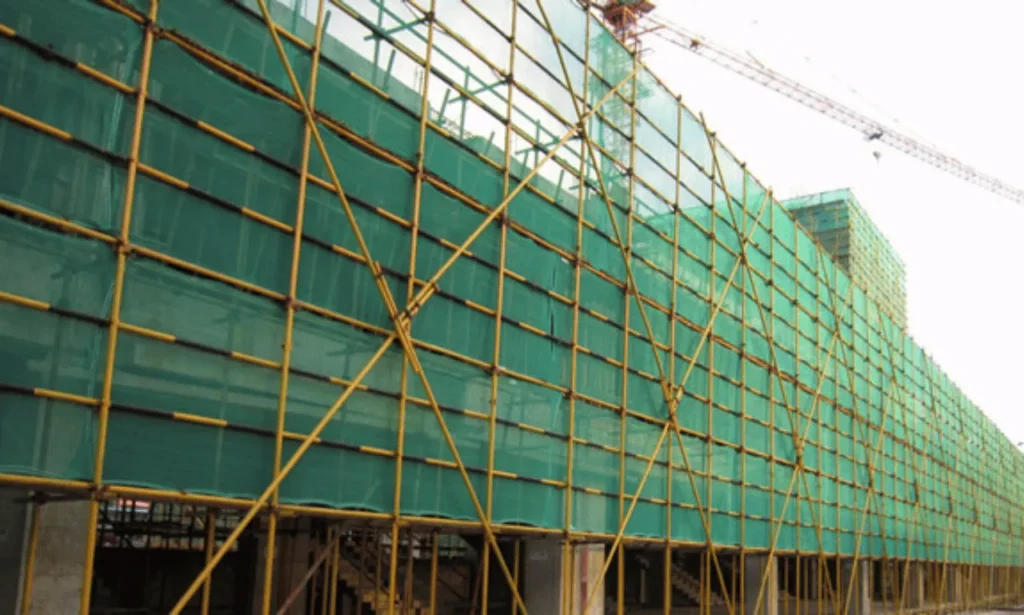
Scaffold netting is a mesh barrier fixed to the outside of scaffolding. It is designed to contain light debris and improve site safety by reducing the chance of objects leaving the scaffold.
It also helps manage dust, signals a restricted area, and can reduce wind effects on sheeting systems when correctly specified. Netting is not a substitute for guardrails, toe boards, brick guards, or proper housekeeping, but it adds an important extra layer of protection.
How does scaffold netting protect workers on the scaffold?
It protects workers mainly by reducing edge-related risks and improving control of loose materials. When small items shift, the netting can help prevent them from being blown or knocked off the platform.
It can also make the scaffold feel more enclosed, which may reduce distractions from height exposure. On busy sites, it creates a clearer working zone, helping teams keep tools, fixings, and packaging managed within the scaffold footprint.
How does scaffold netting protect pedestrians and nearby property?
It helps protect pedestrians by limiting the escape of minor debris from the scaffold, particularly during tasks like grinding, drilling, cutting, or removing old materials. This reduces the chance of low-level items falling into public areas.
Netting also makes the work boundary obvious to passers-by, which can discourage people from walking too close. For adjacent buildings, vehicles, and shopfronts, it can reduce dust transfer and minor impact damage from wind-blown debris.
What hazards can scaffold netting actually reduce?
It can reduce, but not eliminate, the risk from light falling objects, airborne debris, and dust. It can also support safer site organisation by making it easier to keep the work area defined.
However, heavy objects can still fall, and netting will not reliably stop them. Sites still need toe boards, brick guards where required, debris chutes for waste, exclusion zones, and good lifting practices to manage higher-consequence hazards.
Which types of scaffold netting are commonly used in the UK?
Common options include debris netting (open mesh), fire-retardant netting, and higher-density containment mesh. The right type depends on what they are doing, where the scaffold is situated, and the level of public exposure.
For street-facing scaffolds, they often specify stronger fixing patterns, overlap rules, and flame-retardant materials where needed. Some projects use combined systems such as netting plus monoflex-style mesh or shrink-wrap, but wind loading must be assessed.
How is scaffold netting installed so it stays effective?
It needs to be fixed tightly, consistently, and in line with the scaffold design and manufacturer guidance. Poorly installed netting can flap, tear, or create gaps that defeat the point of using it.
They typically secure it with scaffold ties or rated clips at set intervals, ensuring overlaps are adequate and corners are reinforced. Openings for loading bays, ladders, or gates must be managed carefully so protection is not lost in the areas where risk is highest.
How does netting affect wind loading and scaffold stability?
It can increase wind loading significantly, especially if tighter mesh is used or sheeting is added. This can affect the scaffold’s tie pattern, bracing, and overall design requirements.
That is why netting should be treated as part of the scaffold system, not an afterthought. If wind loading is underestimated, it can lead to movement, dislodged fittings, or structural failure in extreme cases. A competent scaffold designer or contractor should assess changes, particularly on exposed sites. Check out more about safe scaffolding.
What maintenance and inspections are needed during the job?
Netting should be checked regularly for tears, loose fixings, gaps, or UV damage. It also needs inspection after high winds, alterations, impact incidents, or significant changes to the workface.
Damaged sections should be repaired or replaced quickly, because small failures can spread. Keeping the netting intact also supports cleaner sites by containing packaging and small debris, which reduces housekeeping issues on lifts and around the base of the scaffold.
What are the limitations and common mistakes to avoid?
Netting is not a catch-all fall protection system and should not be relied on to stop heavy objects. Treating it like a substitute for toe boards, brick guards, or exclusion zones is a common error.
Another mistake is leaving gaps around corners, lift joins, or loading areas. Over-tensioning can also cause tearing, while under-tensioning increases flapping and failure risk. If wind is not accounted for, hazards can be unintentionally created rather than reduced.
How should clients choose the right scaffold netting setup for a site?
They should start by assessing who is at risk and what could realistically fall, spread, or escape the scaffold. Public footpaths, schools, busy entrances, and roads usually justify higher containment and tighter control measures.
The best approach is to specify netting as part of a wider scaffold and site safety plan, including signage, lighting, hoarding where needed, debris management, and competent inspection. When netting choice matches the job and is installed correctly, it becomes a practical, visible safeguard for workers and pedestrians alike.
More to Read : Why Plywood Formwork Is Essential for Concrete Projects
FAQs (Frequently Asked Questions)
What is scaffold netting and how does it enhance construction site safety?
Scaffold netting is a mesh barrier attached to the outside of scaffolding designed to contain light debris, reduce falling-object risks, manage dust, and clearly delineate worksite boundaries. It supports compliance and improves site control, thereby lowering the chance of incidents that could halt a project.
How does scaffold netting protect workers on scaffolds from edge-related hazards?
Scaffold netting reduces edge-related risks by preventing small items from being blown or knocked off the platform. It creates a more enclosed working environment, reducing distractions related to height exposure and helping teams keep tools and materials within the scaffold footprint for safer operations.
In what ways does scaffold netting safeguard pedestrians and nearby property during construction?
Scaffold netting limits the escape of minor debris during activities like grinding or drilling, reducing the risk of falling objects in public areas. It also signals restricted zones to passers-by, discouraging close proximity to the worksite, while reducing dust transfer and minor impact damage to adjacent buildings, vehicles, and shopfronts.
What types of scaffold netting are commonly used in the UK and how are they selected?
Common UK options include debris netting (open mesh), fire-retardant netting, and higher-density containment mesh. Selection depends on the nature of work, scaffold location, level of public exposure, and safety requirements. For street-facing scaffolds, stronger fixing patterns and flame-retardant materials are often specified to enhance protection.
How should scaffold netting be installed to maintain its effectiveness and ensure scaffold stability?
Scaffold netting must be fixed tightly and consistently using scaffold ties or rated clips at regular intervals, with adequate overlaps and reinforced corners. Openings for ladders or loading bays require careful management. Installation must consider wind loading impacts on scaffold stability; thus, it should be treated as part of the overall scaffold system with professional assessment.
What maintenance practices are essential for scaffold netting during a construction project?
Regular inspections should check for tears, loose fixings, gaps, or UV damage—especially after high winds or alterations. Damaged sections must be promptly repaired or replaced to prevent spreading failures. Maintaining intact netting supports cleaner sites by containing debris and reduces housekeeping issues around lifts and the scaffold base.