
Why Plywood Formwork Is Essential for Concrete Projects
What is plywood formwork, and what does it actually do?
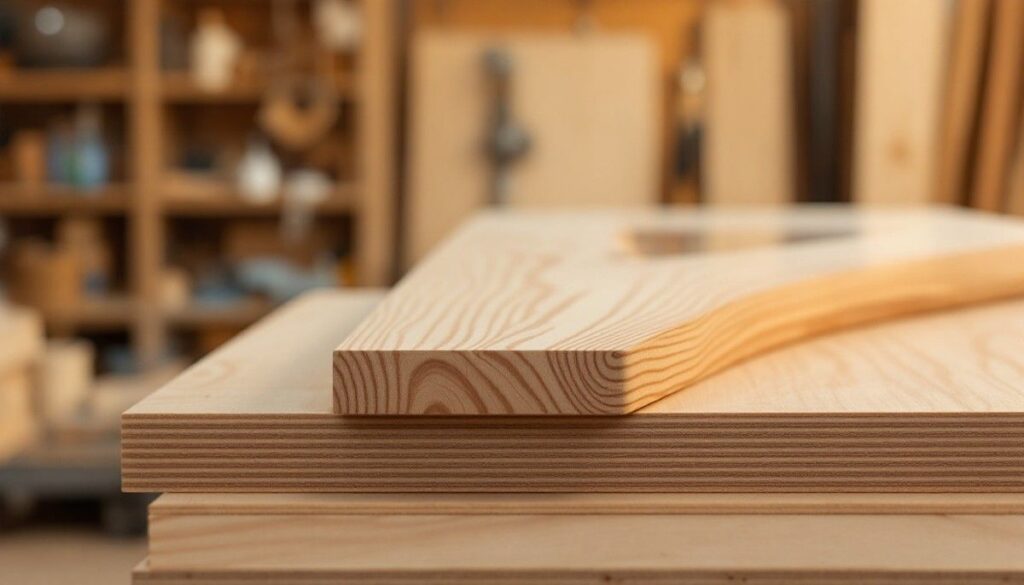
Plywood formwork is a temporary mould used to hold wet concrete in place until it cures. It creates the final shape of slabs, walls, columns, beams, and foundations.
Because plywood comes in consistent sheet sizes, crews can plan layouts, cut panels efficiently, and build repeatable formwork systems. That reliability matters when concrete placement windows are tight.
Why is plywood formwork preferred over many other formwork materials?
They prefer plywood because it balances strength, weight, and cost better than many alternatives. It is usually faster to assemble than bespoke timber shuttering and easier to handle than heavier systems.
Plywood also adapts to different geometries with simple cuts and bracing. For many small to mid-sized pours, it offers enough performance without the hire costs or logistics of fully proprietary systems.
How does plywood formwork improve structural accuracy on site?
It improves accuracy by providing flat, stable faces that can be aligned, levelled, and braced precisely. When panels are properly supported, they resist bulging and keep concrete edges straight.
That control reduces common issues like bowed walls, uneven slab edges, and misaligned openings. Fewer corrections also means less grinding, patching, and rework after striking the formwork.
How does it affect the concrete finish and visual quality?
Plywood can produce a smooth, even surface when the face is clean, sealed, and correctly jointed. This is especially useful where concrete will be left exposed or only lightly finished.
With the right release agent and careful handling, it helps limit surface defects such as honeycombing, panel marks, and excessive laitance. A better finish often reduces the need for additional plastering or remedial coatings.
Why is plywood formwork efficient for programme and labour?
It speeds up forming because sheets are quick to measure, cut, and fix into position. Crews can standardise panel sizes, reuse templates, and assemble common elements repeatedly.
That efficiency reduces labour hours per pour and helps keep sequencing predictable. When formwork cycles are consistent, follow-on trades can be scheduled with more confidence.
How does plywood formwork support cost control and waste reduction?
It supports cost control through reuse, standard sizing, and lower material waste. Many plywood formwork panels can be reused across multiple pours if they are stored well and edges are protected.
Cut-offs can often be repurposed for smaller shutters, packers, or bracing components. Compared with one-off timber builds, plywood typically generates less waste and fewer “trial-and-error” rebuilds.
What makes plywood formwork safer and easier to handle?
Plywood sheets are relatively lightweight for their strength, so teams can position panels without excessive lifting equipment in many situations. That can reduce manual handling strain when planning and supervision are sound.
It also allows straightforward fixing, bracing, and inspection because the build-up is familiar to most site carpenters. Clearer formwork builds make it easier to spot weak points before a pour. Check out more about scaffold netting and how it protects workers and pedestrians.
Where is plywood formwork most useful in real concrete projects?
They commonly use it for slabs, strip foundations, ground beams, retaining walls, columns, stairs, and lift cores. It suits both simple pours and more detailed shapes, especially where custom sizes are required.
It is also useful for repetitive elements, such as housing plots or multi-bay industrial floors, where panel sizes can be standardised. In these cases, reuse quickly improves the cost per pour.
What should teams consider when choosing plywood for formwork?
They should consider thickness, face quality, moisture resistance, and edge sealing. Higher-grade, film-faced plywood generally lasts longer and releases more cleanly, especially in wet conditions.
They should also plan for proper bracing, tight joints, and compatible release agents. Plywood formwork performs well, but only when the full system, including studs, walers, ties, and supports, is designed for the expected concrete pressure.
Why is plywood formwork still “essential” despite modern alternatives?
It remains essential because it is versatile enough for most site realities: changing dimensions, short lead times, and mixed complexity. Many modern systems still rely on plywood-facing panels because concrete responds best to stable, flat shutter surfaces.
For projects that need dependable results without excessive cost or complexity, plywood formwork is often the simplest route to accurate concrete, consistent finishes, and efficient pours.
See Also : Non-compliant plywood sold for formwork use – NT WorkSafe
FAQs (Frequently Asked Questions)
What is plywood formwork and how does it function in concrete construction?
Plywood formwork is a temporary mould made from consistent sheet sizes of plywood, used to hold wet concrete in place until it cures. It shapes slabs, walls, columns, beams, and foundations by providing a reliable and repeatable system that facilitates faster pours and accurate dimensions.
Why is plywood formwork preferred over other materials for concrete moulding?
Plywood formwork is favoured because it offers an optimal balance of strength, weight, and cost. It is quicker to assemble than bespoke timber shuttering, easier to handle than heavier systems, adaptable to various geometries with simple cuts and bracing, and suitable for small to mid-sized pours without the logistical challenges of proprietary systems.
How does plywood formwork enhance structural accuracy on-site?
By providing flat, stable faces that can be precisely aligned, levelled, and braced, plywood formwork resists bulging and maintains straight concrete edges. This control reduces defects like bowed walls or uneven slab edges, minimising the need for post-pour corrections such as grinding or patching.
In what ways does plywood formwork influence the finish and visual quality of concrete?
When clean, sealed, and correctly jointed, plywood produces smooth and even surfaces ideal for exposed or lightly finished concrete. Using appropriate release agents and careful handling limits surface defects such as honeycombing or panel marks, reducing the necessity for additional plastering or remedial coatings.
How does using plywood formwork improve efficiency in labour and project scheduling?
Plywood sheets are quick to measure, cut, and fix into position. Standardised panel sizes allow crews to reuse templates and assemble common elements repeatedly. This efficiency decreases labour hours per pour and ensures predictable sequencing so follow-on trades can be scheduled with confidence.
What considerations should teams keep in mind when selecting plywood for formwork applications?
Teams should evaluate factors such as thickness, face quality, moisture resistance, and edge sealing. High-grade film-faced plywood offers greater durability and cleaner release in wet conditions. Additionally, proper bracing, tight joints, compatible release agents, and a full support system designed for expected concrete pressure are essential for optimal performance.